Show summary Hide summary
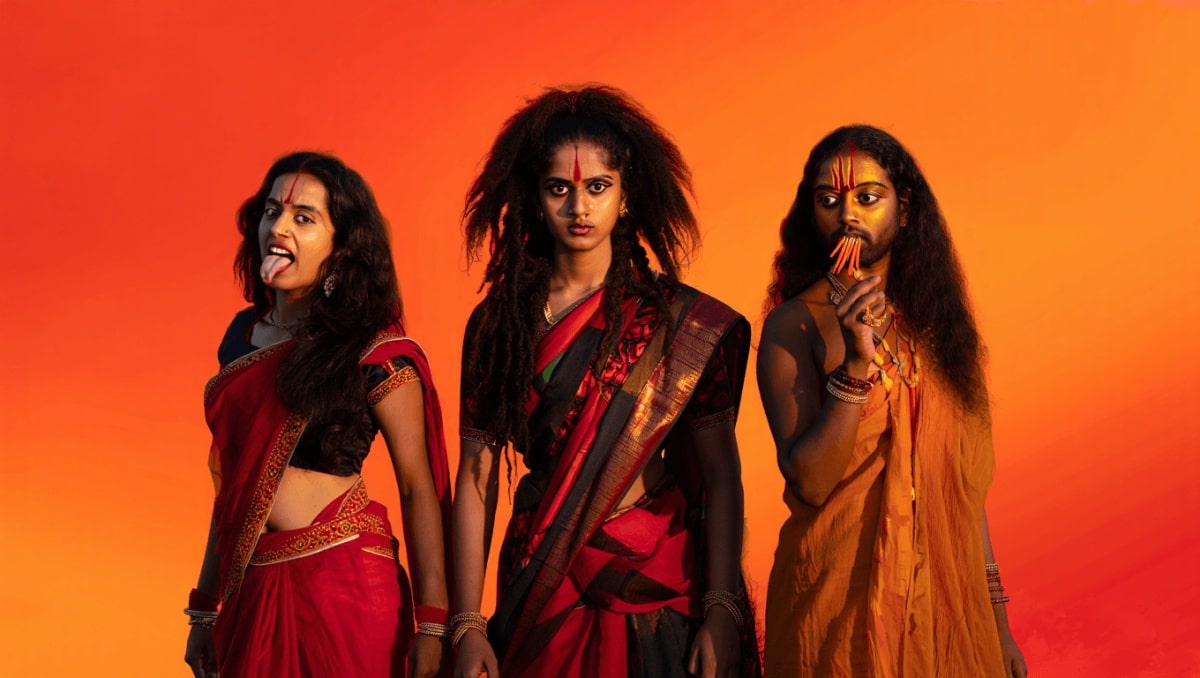
Across South Asia and among its global diasporas, a renewed interest is growing in goddesses whose images are fierce, unsettling or otherwise outside the well-known pantheon of nurturing maternal icons. These powerful figures—often described as wrathful or wild—play specific roles in local ritual life and offer a different lens on how communities understand protection, crisis and spiritual power today.
At the center of these traditions is the concept of Shakti, the dynamic energy of the divine feminine that can appear as tenderness or as terrifying force. Below are three lesser-known manifestations — each rooted in distinct stories and regional practices — and what they mean for devotees and observers now.
- Chamunda — a fearsome warrior form born from the rage of the Devi to defeat brutal demons; worshiped as a guardian who destroys destructive forces.
- Kateri Amman — a regional South Indian figure associated with wild, corpse‑linked imagery; regarded as a protector who takes on sickness and decay to shield communities.
- Jwala Ji — a flame goddess tied to a Himalayan sacred site where an eternal natural fire is revered as a symbol of unquenchable faith.
Shah Rukh Khan used the name Abinav to ease in-law worries: Gauri adopted Ayesha during nikaah
Javed Akhtar hails Hindu festivals as cultural glue: throwback of atheist celebrating resurfaces
Why these fierce forms matter now
These goddesses are not merely archaic curiosities. In a period when conversations about gender, community safety and cultural heritage are increasingly public, their stories are being revisited by scholars, pilgrims and festival organizers. The way local ritual practice frames violence, illness and loss—as something the divine can absorb or neutralize—offers a different vocabulary for coping with modern uncertainty.
Chamunda: destructive power as preservation
Origins for this figure are found in medieval Indian devotional literature where a terrifying emanation of the goddess is sent into battle. The name itself evokes the two demons she defeats. Visual representations emphasize skeletal garlands, disheveled hair and weapons; at first glance these images can seem grotesque to unfamiliar viewers.
But for many worshipers, Chamunda’s severity is not senseless cruelty. Rather, it represents an extreme but purposeful aspect of protection: a force that confronts what threatens life and order. In ritual contexts her worship often involves offerings that acknowledge danger and ask for the goddess to take that danger on behalf of the community.
Kateri Amman: the guardian of margins
Predominantly venerated in parts of South India, this goddess is linked in local narrative cycles with unusual, even unsettling actions—engagements with decay, nocturnal wanderings and other behaviors that place her at the boundary between life and death.
Those stories reflect a symbolic role: absorbing impurities and diseases that circulate on the social or physical margins. Farmers, villagers, and especially women historically sought her protection against epidemics and misfortune. That protective logic persists, with contemporary devotees approaching her as a force who confronts the less visible threats communities face.
Jwala Ji: an enduring flame and the geography of devotion
Jwala Ji is associated with a natural, persistent flame that burns through fissures in rock, attracting pilgrims for centuries to a site in the western Himalayas. The flame is interpreted as the goddess’s tongue or essence, a tangible sign of a divine presence that outlasts individual lives.
The site has long been a focus of ritual and royal attention; stories of emperors and local rulers visiting the shrine underline how place, politics and faith intersect. Today the temple remains an active pilgrimage destination, drawing people who travel specifically to witness the flame and participate in rites that link the elemental—fire—with ideas of purity and truth.
What worship of these goddesses tells us
Across these traditions a pattern emerges: the feminine divine is not limited to gentle care but also includes forms that meet danger head‑on. That complexity shapes how communities interpret suffering and safety. For researchers and cultural institutions, preserving these narratives means safeguarding a fuller picture of regional religious life, not just its most palatable images.
For visitors and curious readers, the presence of such deities encourages a more nuanced view of sacred art and ritual. What may appear disturbing in iconography often carries a coherent symbolic purpose: to make grappling with loss, illness or social threat a collective, ritualized act rather than a private crisis.
In short, these goddesses continue to matter because they supply language—and ritual practice—for dealing with real, often frightening forces. Whether through pilgrimage to a flame, offerings to a forest‑wandering protector, or festivals that recall violent cosmic battles, devotees rely on these figures to absorb and transform what would otherwise overwhelm everyday life.