Show summary Hide summary
The debate over a proposed women’s reservation bill turned sharply partisan in Parliament on Thursday, with the Union home minister rejecting demands for faith-based quotas and insisting the census process will record caste information before any move on quota calculations. The clash underscores fresh political fault lines ahead of national conversations about affirmative action and how demographic data will be used.
In Lok Sabha, Samajwadi Party MP Dharmendra Yadav opposed the bill unless lawmakers first enshrine separate reservations for OBC and Muslim women. He said his party could not back a women’s quota that did not include explicit provisions for those groups.
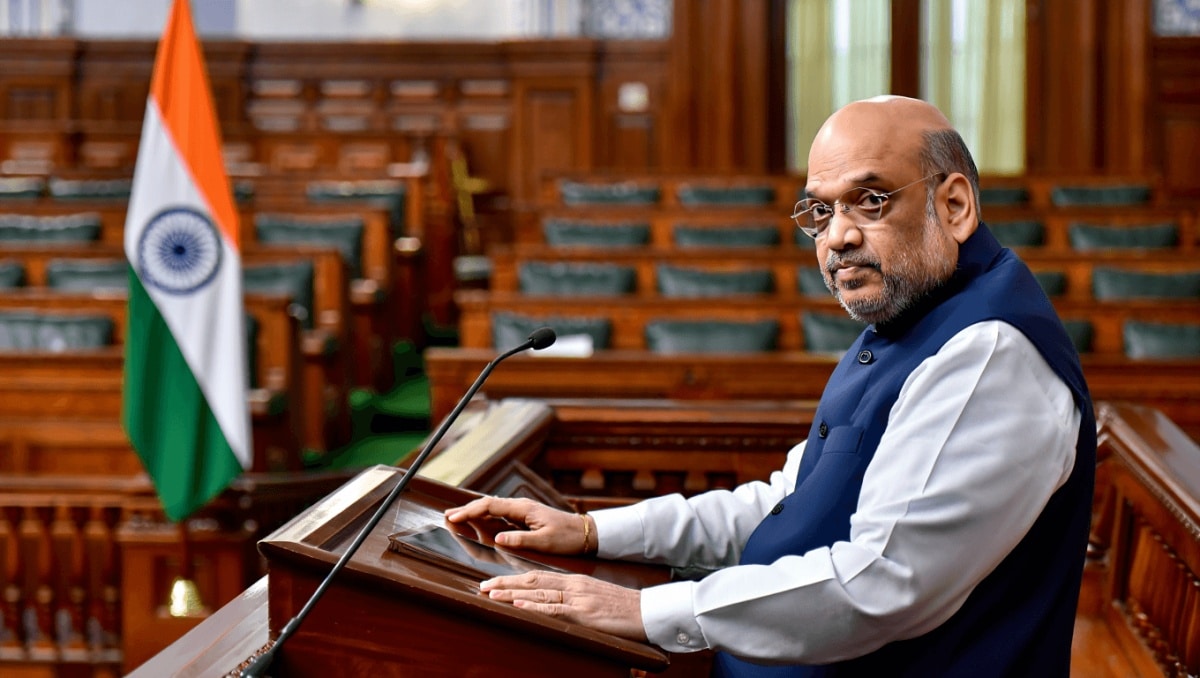
Responding, Home Minister Amit Shah dismissed that position as incompatible with the Constitution, reiterating the government’s long-standing stance that reservations cannot be allocated on the basis of religion. He framed the objection in institutional and historical terms, warning that faith-based electoral arrangements carry risks going back to the pre-Independence political settlements.
Shah Rukh Khan used the name Abinav to ease in-law worries: Gauri adopted Ayesha during nikaah
Javed Akhtar hails Hindu festivals as cultural glue: throwback of atheist celebrating resurfaces
When SP chief Akhilesh Yadav intervened to note that Muslim women form a significant portion of the electorate, Shah retorted that political parties are free to nominate any candidates they choose — and used the exchange to outline the government’s timetable for demographic work ahead of policy decisions.
Officials, he said, are conducting house-listing as part of the Census 2027 operations; detailed caste enumeration will follow later in the exercise. Shah argued that the sequence matters for how quota claims are assessed and disputed Akhilesh’s suggestion that the government was deliberately linking the women’s quota to older census figures to avoid implementation.
What this fight means now
The parliamentary confrontation raises several immediate questions about process, law and politics:
- Legal risk: Any attempt to allocate reservations explicitly by religion would face constitutional scrutiny under current interpretations that separate secular governance from faith-based privilege.
- Data dependency: The government’s insistence on updated census details — including caste counts — signals that future quota decisions will hinge on newly collected demographic information.
- Political calculus: Parties are staking out positions to appeal to distinct social groups ahead of upcoming electoral cycles, making consensus difficult.
- Social implications: Debates over how to carve representation for women intersect with longstanding demands for caste- and community-specific protections, complicating legislative compromise.
Context and next steps
Parliamentary debate on the women’s reservation proposal is likely to continue, with opposition parties pressing for guarantees for sub-groups within the broad category of women and the government emphasizing constitutional limits. Observers expect legal challenges if the bill, as drafted, attempts to create quotas explicitly tied to religion.
Meanwhile, the census timeline matters: house-listing now, followed by caste enumeration, means fresh demographic data could influence both the political rhetoric and the legal arguments used by supporters and detractors of any reservations measure.
Whatever the immediate parliamentary outcome, the exchange highlights that questions about who benefits from affirmative action—and on what basis—remain unresolved and will animate public debate as lawmakers, lawyers and civil society prepare for the next stages of scrutiny.