
Show summary Hide summary
The Vedas have long been treated as a cultural yardstick in South Asia: sacred sites and classic texts are often praised by saying they are “as good as” the Vedas or “equal to” Varanasi. That practice still shapes how communities value places, languages and literature today—with real implications for heritage, identity and public debate.
Kasi as the cultural benchmark
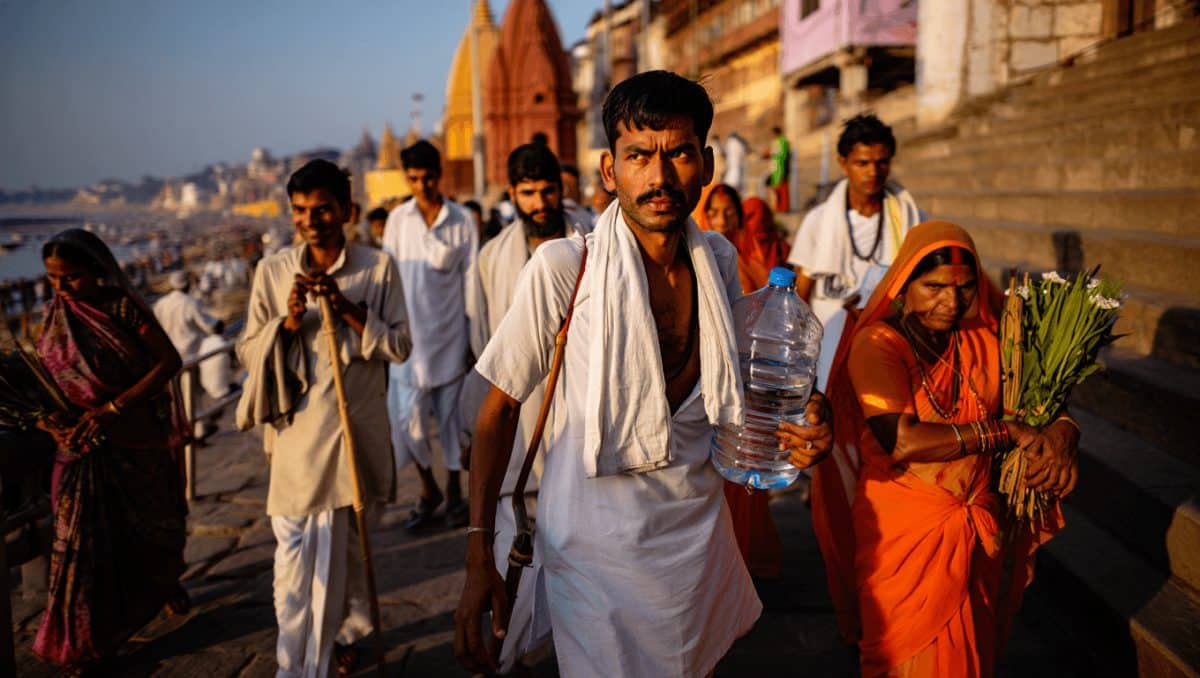
Across centuries, Varanasi (Kasi) has been the reference point for sanctity. Shrines, rivers and tirthas are routinely compared to Kasi to signal their spiritual worth.
Kashi to Kedarnath costs revealed: how much a Sawan pilgrimage will set you back
Hinduism gains ground in Africa: new communities reshape culture and commerce
Regional traditions replicate the pattern by creating local equivalents: places called Daksina Kasi (Southern Kasi) or Uttara Kasi (Northern Kasi) advertise their sacred pedigree. These comparisons are not merely devotional rhetoric; they mark how communities claim religious status and attract pilgrims.
When a local site claims to surpass Kasi
Occasionally a shrine is celebrated as surpassing Kasi. One South Indian town long praised in temple poetry claims a special edge over Varanasi: local verse insists that sins forgiven elsewhere are finally erased in that place, elevating it above other tirthas in ritual potency.
That kind of ranking—progressive purification culminating in a single, superior site—shows how devotional language converts religious geography into a hierarchy of holiness.
- Places: Varanasi (Kasi) as the archetype; regional counterparts such as Kumbhakonam, Vrddhacalam, and Tenkasi treated as local Kasi-equivalents.
- Epics and scripture: the Ramayana and Mahabharata have traditionally been elevated to Vedic status in many communities, with the latter sometimes called the “fifth Veda.”
- Tamil classics: works such as the Tirukkural, the Tiruvaymozhi and the Tiruvacakam have been described by devotees and scholars as the Tamil-language equivalents of Vedic texts.
- Interfaith usage: in some Indian Christian circles the Bible has been respectfully referred to by a term that likens it to the Vedas—an example of how the Vedic concept functions as a shared marker of sacred authority.
Labeling a place or text “equal to the Vedas” accomplishes two things: it confers cultural legitimacy, and it helps communities assert linguistic or regional pride. When poets, priests or lay believers make these comparisons, they are shaping collective memory as much as theology.
Contemporary stakes
These traditions matter in the present because debates over cultural heritage, education and identity often draw on the same comparisons. Calls to preserve liturgical recitation, fund temple conservation or include classical texts in curricula all echo the idea that Vedic traditions are central to public life.
Scholars and community leaders frame the issue in different ways. For some, maintaining Vedic recital and ritual continuity is a cultural survival strategy; for others, recognizing local classics as equivalent to the Vedas is a way to assert linguistic dignity and broaden the canon of respected texts.
At a societal level, the practice of likening texts and places to the Vedas encourages cross-cultural negotiation: it can foster pride in regional heritage while also inviting conversations about pluralism and the place of multiple traditions in a shared public sphere.
Closing reflection: the aspiration behind these comparisons is not only ritual purity or literary fame but a wish for universal well-being—captured in the traditional sentiment: Lokah Samastah Sukhino Bhavantu (“May all the worlds be happy and at peace”).