Show summary Hide summary
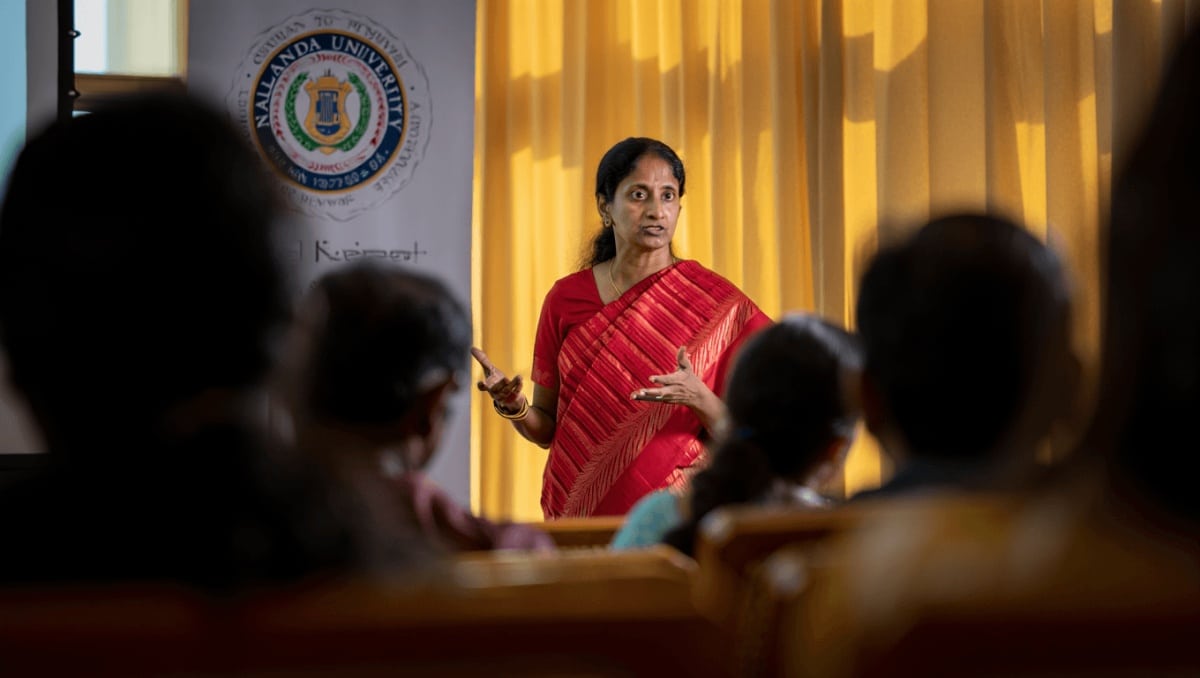
Nalanda University hosted a high-profile lecture Monday in which K Nandini Singla, director general of the Indian Council for Cultural Relations, framed cultural engagement as a central tool of India’s international influence. Her remarks connected longstanding civilizational links with current diplomatic efforts, underscoring why cultural outreach matters for students, scholars and policymakers today.
Culture as a pillar of international engagement
Speaking to a mixed audience of academics and ICCR representatives, Singla argued that cultural ties are no longer merely symbolic; they are strategic assets that shape perceptions and partnerships abroad. She invoked the familiar academic concept of soft power to explain how the exchange of ideas and traditions can advance national interests without coercion.
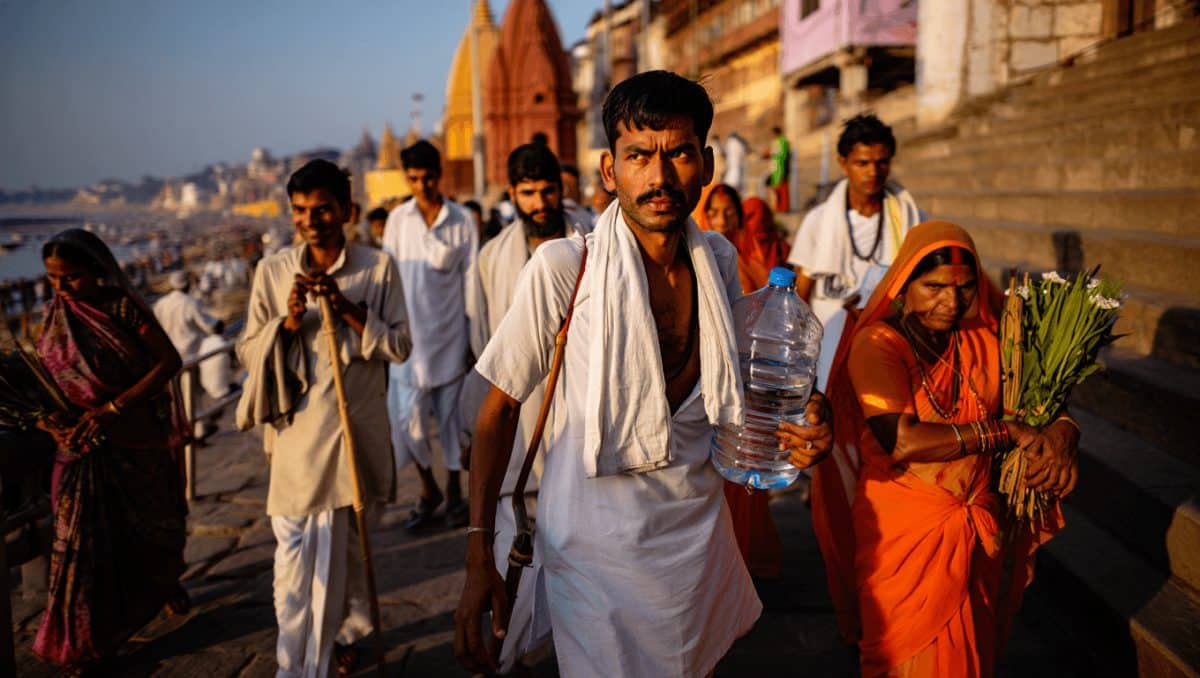
Kashi to Kedarnath costs revealed: how much a Sawan pilgrimage will set you back
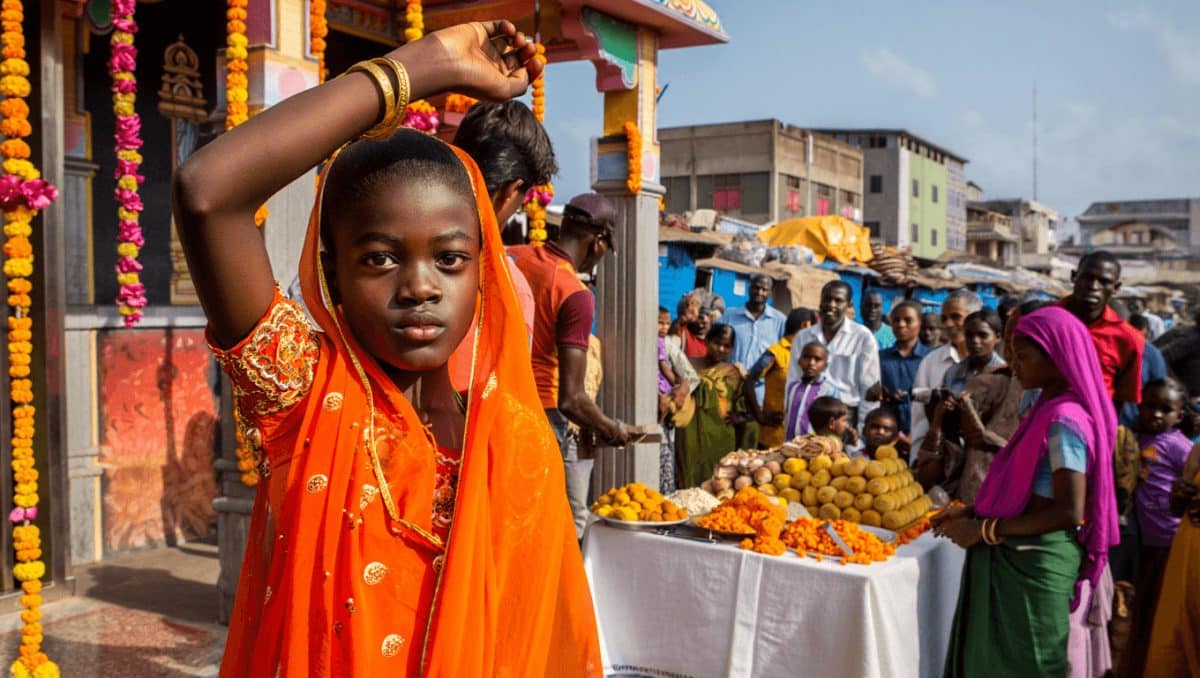
Hinduism gains ground in Africa: new communities reshape culture and commerce
The lecture highlighted India’s global footprint across languages, arts, film and performance, and tied those strengths to concrete programs that have raised the country’s profile in recent years.
Programs and initiatives cited
- Vaccine Maitri and international medical assistance—examples of health diplomacy cited as boosting goodwill.
- Development partnerships and humanitarian support that accompany cultural outreach.
- Scholarships and fellowships — tools to bring foreign students to Indian campuses and build long-term academic ties.
- Traditional practices such as yoga and meditation, presented as globally resonant cultural exports.
- ICCR initiatives aimed at youth and artists, including schemes to engage young cultural ambassadors and creators.
Local context and campus impact
The event at Nalanda drew senior ICCR figures including deputy director general Ashish Ranjan and regional head Swadha Rizvi, and underscored the university’s international composition. Vice-chancellor Sachin Chaturvedi used his opening remarks to link cultural diplomacy with academic exchange, noting that ICCR funding and fellowships have helped diversify the student body.
Nalanda’s leadership also pointed to sustainability as part of its public profile: the campus is pursuing a net-zero target, a detail that ties environmental commitments to the institution’s global ambitions.
Dialogue with scholars
After the lecture, Singla met ICCR-funded students and encouraged them to take part in creative and outreach programs such as ICCR Yuva Mitra and Kala Sadhak. The session allowed direct exchange: students raised questions about opportunities and practical steps for engagement, and ICCR representatives outlined application paths for scholarships and cultural projects.
That interaction underscored a practical point of the lecture: cultural relations depend as much on grassroots participation as on institutional proclamations. For international students and researchers at Nalanda, the message was clear—cultural diplomacy creates pathways for study, collaboration and sustained ties.
With universities and cultural bodies increasingly at the frontlines of diplomacy, the event offered a snapshot of how India is translating soft power into educational ties and people-to-people networks that may shape relations for years to come.