Show summary Hide summary
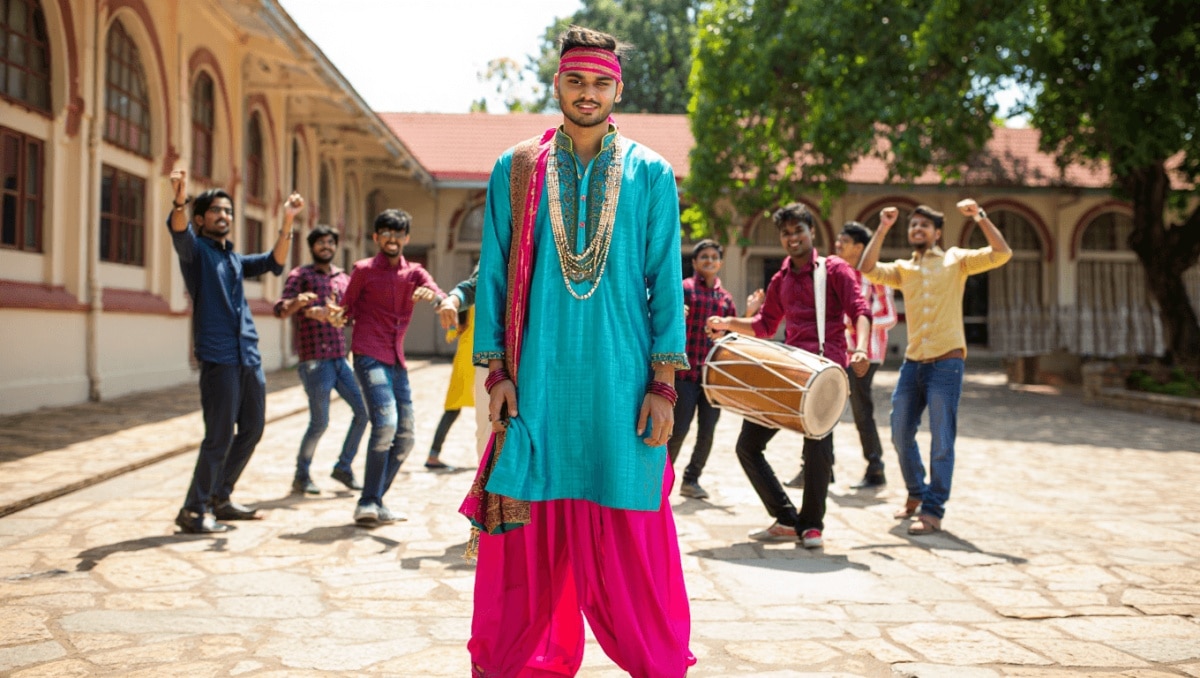
College grounds across India have lately become stages for an unmistakable aesthetic: bold, layered and deliberately excessive. This surge of Indian maximalism—visible in performances, music lineups and student fashion—is reshaping how young people present identity, attract attention and negotiate cultural capital at a moment when campus life is once again in full swing.
How the aesthetic shows up
What once might have been a modest act during a university fest now appears as a full-scale production. The differences are visible and immediate.
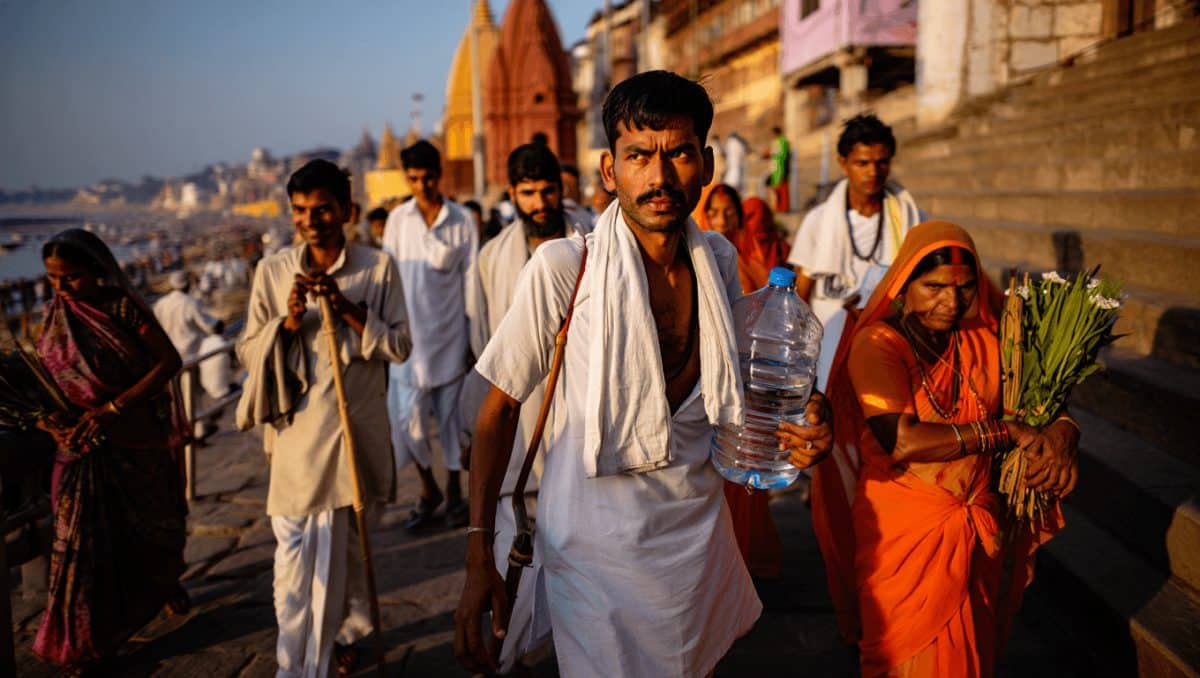
Kashi to Kedarnath costs revealed: how much a Sawan pilgrimage will set you back
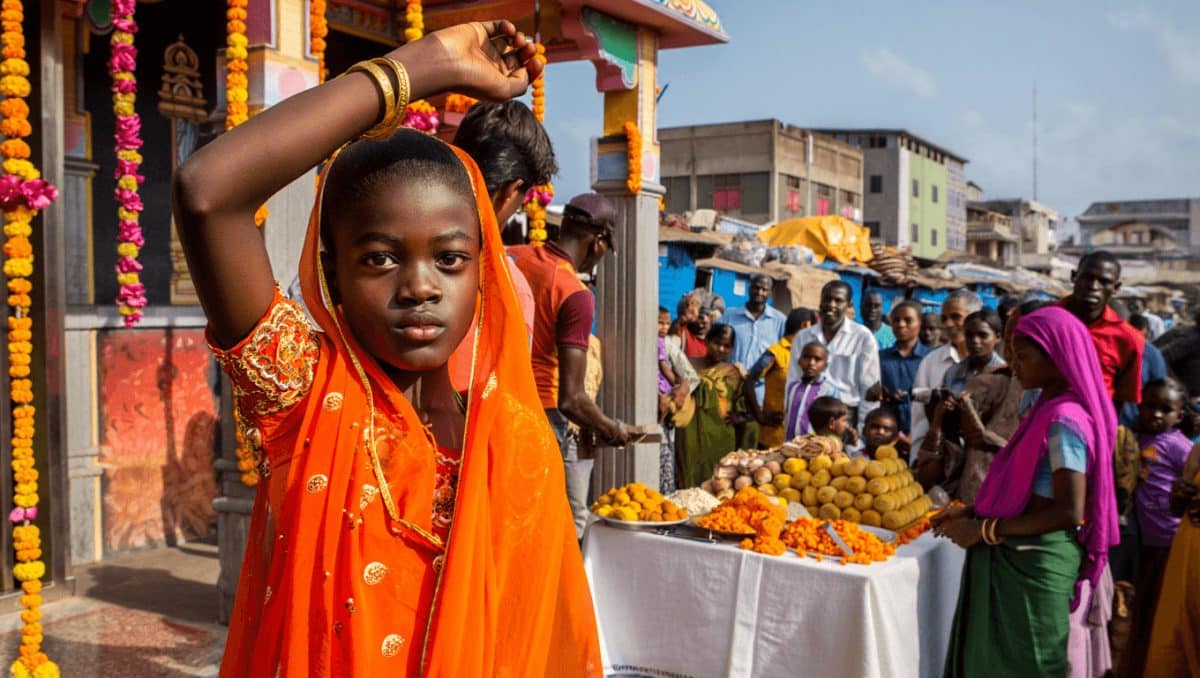
Hinduism gains ground in Africa: new communities reshape culture and commerce
- Performance design: Elaborate sets, theatrical lighting and choreography borrowed from film and commercial concerts.
- Music: Genre-blending bills — indie bands sharing stages with electronic producers and reinterpretations of regional folk — often amplified by livestreams.
- Fashion: Excess by design—ornate traditional garments mixed with streetwear, DIY embellishments, and curated vintage finds.
- Social media staging: Events conceived to generate viral clips, with synchronized moments and costume reveals timed for Reels and Shorts.
- Brand presence: Sponsorships, pop-up stores and content partnerships that turn campus moments into commercial assets.
Why this matters now
Post-pandemic, students are eager for collective experiences and visibility; digital platforms reward spectacle with reach; and brands see campuses as fertile ground for cultural influence. Together, these forces push artistic expression toward bigger, more performative choices.
That scale creates opportunities: musicians and designers can reach national audiences from a college auditorium; student organizers attract higher budgets and higher-profile collaborations. But it also raises questions about gatekeeping, authenticity and who benefits from the attention.
Trade-offs and consequences
The rise of maximalism on campus is not purely aesthetic. It reshapes resource allocation and campus culture.
- Equity: Large productions can eclipse smaller student groups or traditional practices that lack sponsorship or social media savvy.
- Commercial pressure: Sponsors may influence programming, narrowing what counts as “marketable” culture.
- Sustainability: Increased production values often mean higher carbon footprints and more waste from costumes and sets.
- Mental load: Students managing intense event schedules and online performance expectations face new stressors.
- Creative cross-pollination: At its best, the trend fosters collaborations that revive regional art forms and generate income for local artisans and musicians.
Practical implications for stakeholders
Colleges, brands and students are already adapting.
- Administrations must balance funding and access, and consider policies on sustainability and performer welfare.
- Student organizers are negotiating contracts, intellectual property and content rights more often than before.
- Local artists and craftspeople stand to gain commissions—if institutions deliberately source and fairly compensate them.
- Brands find campus activations effective but risk backlash if engagements feel extractive or tone-deaf.
Trends to watch this year
Expect the aesthetic to keep evolving rather than settling into a single look.
Some emerging patterns likely to shape the next season:
- More campus events designed first for short-form video virality, then for live audiences.
- Renewed interest in hybrid formats—intimate, high-design performances alongside large sponsored spectacles.
- Greater attention to ethical sourcing of costumes and set materials as sustainability becomes part of event planning.
- Increased collaboration across colleges, producing touring campus shows that test new models of student entrepreneurship.
For students and organizers, the question ahead is not whether to embrace the visual and sonic richness of maximalism, but how to do so without losing sight of inclusivity, cultural stewardship and environmental responsibility. The spectacle draws the crowd—but the long-term legacy will depend on choices made behind the curtain.