Show summary Hide summary
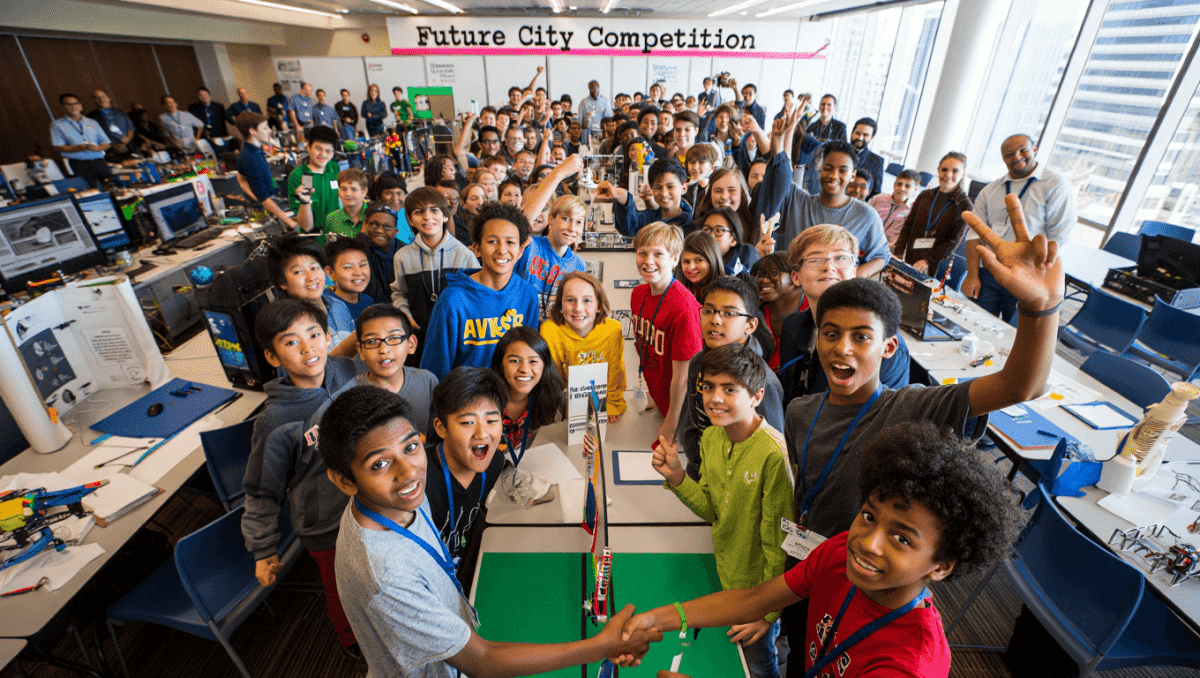
On January 17, 2026, Houston hosted its largest-ever regional Future City Competition, notable both for record participation and the first use of electronic judging. The changes highlight how the long-running STEM contest is evolving—and why this year’s winners will draw extra attention as they head to the national stage.
From classroom concepts to working city models
More than a dozen middle school teams from across greater Houston spent the day presenting future-city proposals that tackle real-world problems: flood management, energy resilience, urban green space and transport innovation. Judges evaluated teams on research, STEM principles and how well each design addressed social and environmental challenges.
Annamalai applauds Bhagwat’s message on Muslim inclusion in India
Navratri in Times Square goes viral: social media splits over Indian celebrations abroad
The event is built around hands-on learning: students research issues, draft plans, build scale models and defend their choices in panel interviews. That combination of creative design and technical reasoning is what organizers and teachers say makes the program influential for young learners.
New process, broader reach
This year’s competition introduced electronic judging, a shift organizers say improved scoring speed and record-keeping while allowing a wider panel of evaluators to participate remotely. That procedural change matters because it can lower logistical barriers for volunteers and create a repeatable record of assessments.
At a practical level, digital scoring also shortens tabulation time, giving schools faster feedback. Observers noted the move could serve as a model for other regional STEM events seeking to scale without compromising evaluation quality.
- 1st place — Team Fen Faru, Leap4Forward (Regional winner)
- 2nd place — Team Aurorica, Al-Hadi
- 3rd place — Team Silvanus Spire, Kitty Hawk
- 4th place — Team Madaterra, Meillo Middle
- 5th place — Team Floraterra, Fort Settlement School
Team Fen Faru will represent the Houston region at the Future City National Finals in Washington, D.C., facing top teams from across the country. Their advancement underscores how local competitions feed a national pipeline of student innovation.
Beyond trophies, teachers and mentors say the biggest payoff is educational: students build collaboration, research and problem-solving skills while engaging with topics—like infrastructure and sustainability—that shape future communities.
Organizers noted that photo and interview requests are available on request from the event team. Photo credit: Sabia Abidi.
As the regional contest grows, so does its role as an early incubator for future engineers and civic planners. The combination of increased participation and procedural modernization suggests the program will remain a key venue for hands-on STEM education in the region.