Show summary Hide summary
As Holi nears in the spring months of Phalguna, communities across India and around the world prepare for one of the year’s most visible celebrations — a mix of color, music and ritual. Beyond the revelry, the choices people make this season — from color types to bonfire practices — carry clear health, cultural and environmental consequences.
Roots and meanings behind the colors
Holi’s rituals trace back centuries and weave together multiple strands of Hindu mythology and seasonal custom. At its heart are themes of moral renewal and collective joy: stories of devotion surviving persecution, playful pairs of divine lovers, and an agricultural calendar that marks the shift from winter to spring.
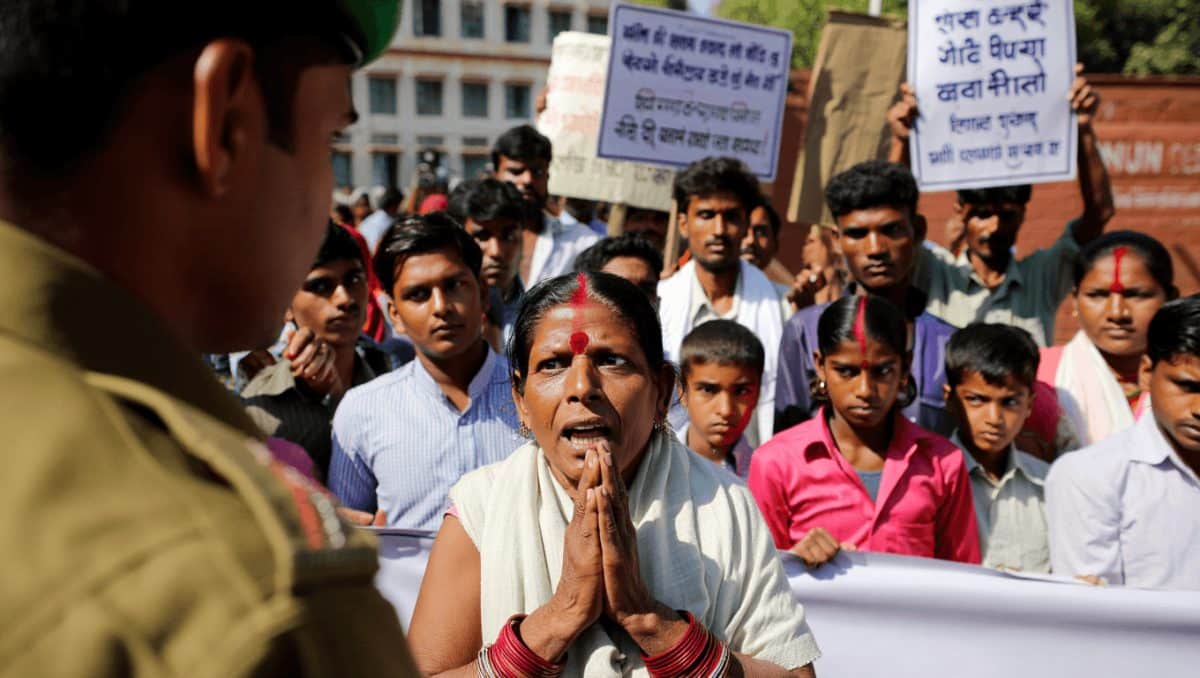
Pakistani Hindu refugees fight for rights and stability in India decades later
UCC push: Madhya Pradesh CM Mohan Yadav urges one-spouse rule across faiths
Two narratives are especially central. One recounts a devotee who survives a lethal fire while a vindictive figure is consumed by the flames — a parable about the endurance of **faith** over cruelty. The other focuses on the playful flirtations of the god Krishna and his companions, embodying a spirit of **love** that crosses social lines.
How people observe the festival today
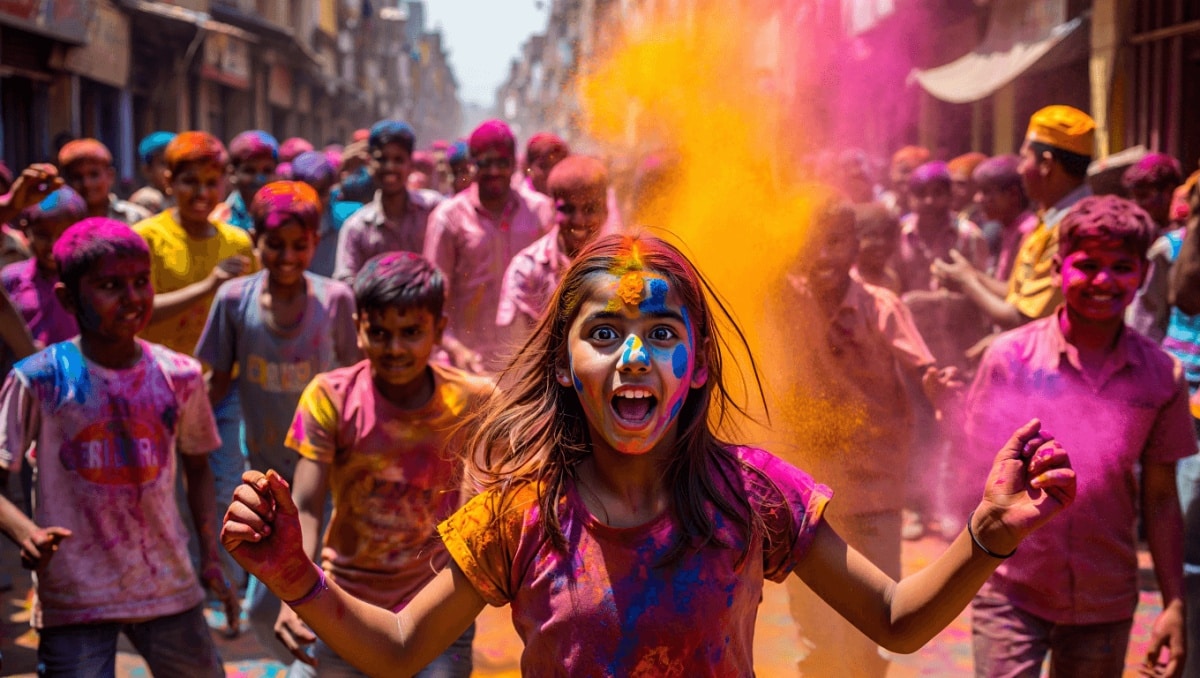
Observance unfolds over two principal moments. The evening before the color-play is reserved for a bonfire that symbolically destroys malice, pride and grudges. The following day is dominated by public color play — powders, water, music and shared sweets — where social barriers are often loosened for laughter and forgiveness.
For many urban communities, modern Holi also raises practical questions about safety: What should families use to avoid skin and eye irritation? How can communities reduce air pollution and waste from large bonfires and synthetic pigments?
Traditional, safer options
Returning to natural preparations is one answer. Communities and temples that emphasize devotional practice often favor flower-based or herbal colors that are gentler on skin and ecosystems.
- Red / Pink — powders from dried hibiscus or ground rose petals
- Yellow — turmeric blended with gram flour for texture
- Green — henna (mehendi) powder or powdered spinach leaves
- Orange — dye from palash (Tesu) flowers
- Blue — extracts of butterfly pea flower
These options reduce chemical exposure and are easier to wash out of clothing and waterways than many manufactured gulals.
Where to see Holi as a devotee
For visitors seeking a more devotional atmosphere rather than a purely social one, several pilgrimage towns and temples preserve centuries-old customs. Expect bhajans, processions and region-specific rituals alongside the color-play.
| Location | What to expect |
|---|---|
| Vrindavan — Banke Bihari Temple | Flower showers and intimate, devotional celebrations in temple courtyards |
| Mathura — Krishna Janmabhoomi | Traditional Braj-style Holi with kirtans, communal feasts and ritual songs |
| Barsana — Radha Rani Temple | Lathmar Holi: ritualized, playful enactments with strong local customs |
| ISKCON temples (global) | Structured devotional gatherings with an emphasis on kirtan and prasadam |
Practical tips for a mindful celebration
Small choices shape the festival’s impact. Use herbal or flower-based colors to reduce skin and environmental harm. Keep Holika bonfires modest and use only dry, untreated wood or natural biomass to limit smoke and emissions. If you attend crowded events, protect eyes and skin and consider the needs of children and elders.
Food is central too: traditional sweets like gujiya and beverages such as thandai remain staples, and preparing them at home with fresh, local ingredients preserves both flavor and cultural meaning.
The wider message
Holi’s rituals are compact but resonant: an invitation to let go of resentments, to celebrate communal bonds and to welcome seasonal renewal. When communities celebrate with attention to health and the environment, the festival’s spiritual lessons — forgiveness, unity and starting anew — gain practical force.
This season, choosing natural colors, tempering bonfire practices and honoring devotional venues are simple ways to keep Holi vibrant and sustainable. May the coming months bring renewal, reconciliation and care for one another.