Show summary Hide summary
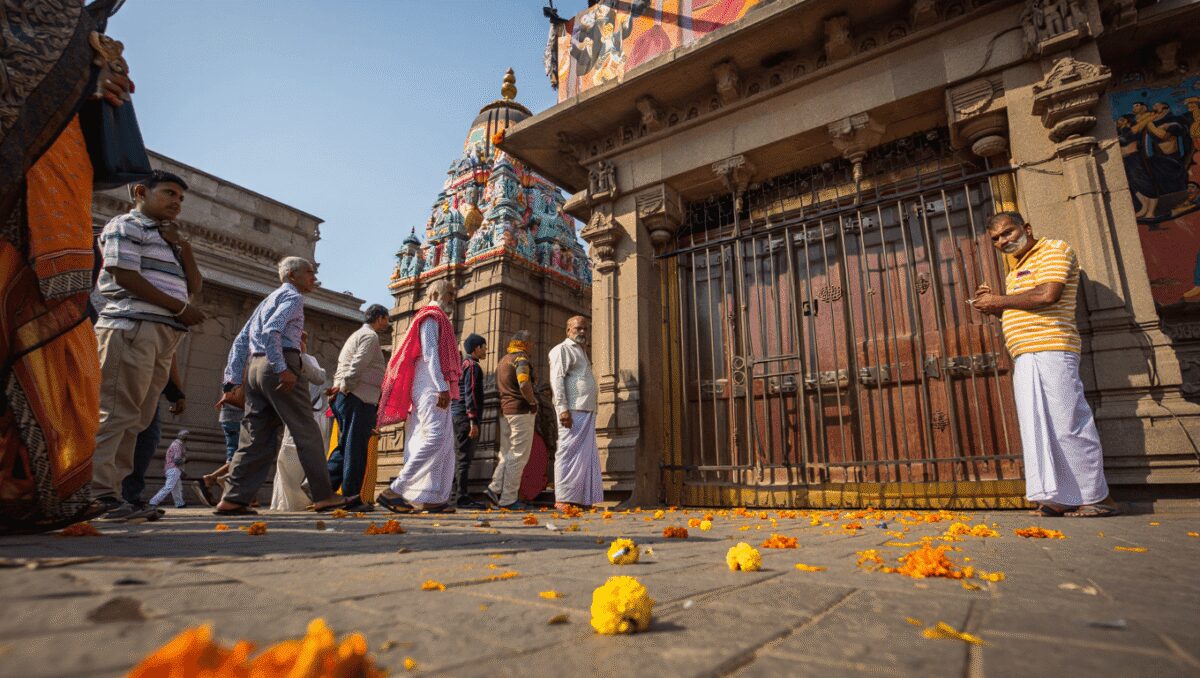
On Tuesday, temples across India temporarily closed as the pre-eclipse observance known as Sutak Kaal came into force, suspending public worship and ritual access until evening purification rites are completed. The coordinated pause—from major pilgrimage hubs to small local shrines—affects millions of devotees and shapes how people will mark the lunar eclipse today.
What Sutak Kaal means in practice
In Hindu practice, the period before an eclipse is treated as a time to avoid new or auspicious actions. For a lunar eclipse, that window often begins several hours before the Moon enters Earth’s shadow, prompting temples to close sanctums and pause daily ceremonies.
Pakistani Hindu refugees fight for rights and stability in India decades later
UCC push: Madhya Pradesh CM Mohan Yadav urges one-spouse rule across faiths
Religious authorities say the approach is precautionary: normal temple activities resume only after formal cleansing rituals that restore the sanctity of the shrine.
Large shrines follow the same protocol
Prominent temples across Uttar Pradesh, Tamil Nadu, Maharashtra, Gujarat, Karnataka and West Bengal observed closures on Tuesday. In Varanasi, the inner sanctum at Kashi Vishwanath was sealed until post-eclipse rites conclude. Tirumala authorities also suspended darshan for a limited period, and major centers in Mathura, Vrindavan, Haridwar and Ujjain enacted similar measures.
Administrative work and essential services continued at many sites, but public darshan, collective aartis and ceremonial offerings were put on hold.
How devotees are observing the eclipse
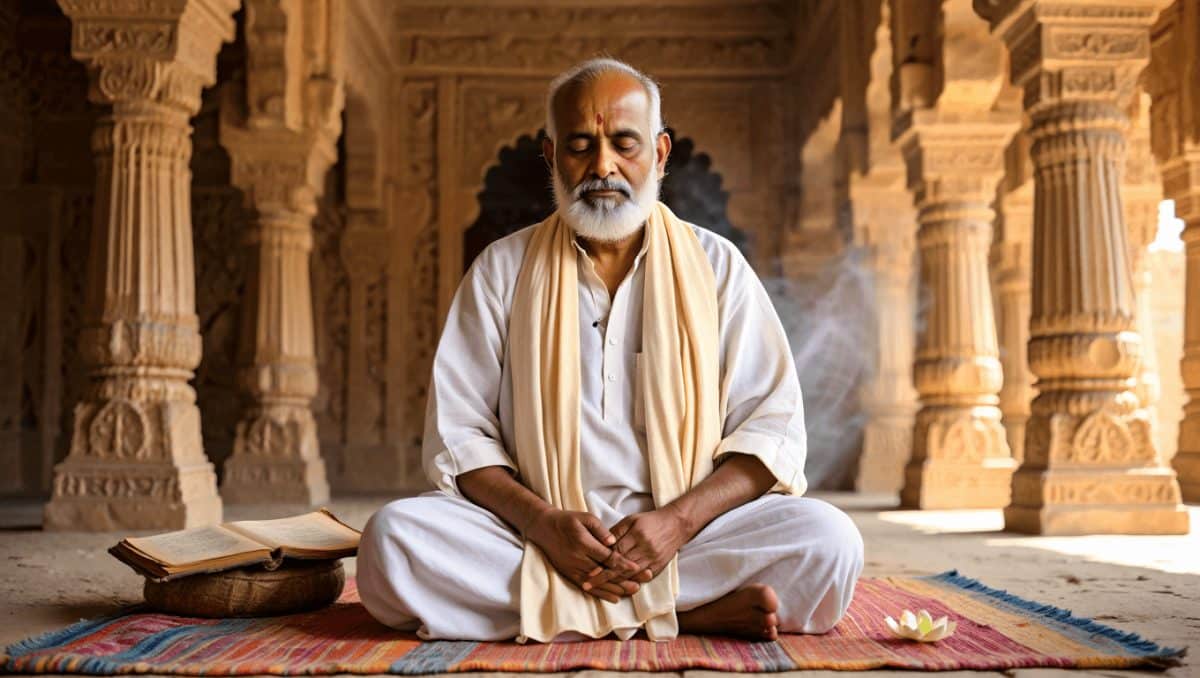
Many worshippers remain at home during the eclipse, turning to prayer, meditation and the chanting of mantras rather than visiting temples. Households commonly follow food-related precautions: meals prepared before Sutak Kaal are either protected or set aside, while cooking during the eclipse is generally avoided except for vulnerable groups.
Traditional guidance also recommends that pregnant women limit exposure to the eclipse—advice rooted in cultural practice rather than medical evidence.
- Timing: Temples reopen only after the eclipse ends and purification rites are finished.
- Rituals: Priests perform shuddhi and abhishekam—ceremonial cleansings of deities—before doors are opened to the public.
- Exceptions: Children, the elderly and those with health needs are typically exempted from dietary restrictions.
- Access: Many shrines livestream post-eclipse ceremonies for those who cannot attend in person.
Astronomy and tradition
Scientifically, a lunar eclipse occurs when Earth blocks sunlight from reaching the Moon; it is predictable and safe to observe without special eyewear. At the same time, mythological and astrological traditions—such as stories involving Rahu and Ketu—continue to inform how communities interpret the event.
That intersection of astronomy and belief explains why observance remains widespread even as scientific literacy grows: for many, the rituals are a continuity of cultural rhythm rather than a literal response to danger.
After the shadow passes
Once the eclipse ends in the evening, temples begin visible preparations to welcome devotees again. Ritual bathing of idols, cleaning of the sanctum and recitation of Vedic hymns are common steps before doors reopen. Several large temples schedule extended evening aartis and additional darshan slots to accommodate those who missed earlier access.
Digital broadcasts of these rites are increasingly used so believers can participate remotely, reflecting how traditional practice adapts to modern modes of worship.
The temporary closures across the country underline a familiar dynamic: celestial events still shape public religious life in India, combining ritual continuity with practical arrangements for millions of devotees. As bells start again later tonight, the reopening will mark not just the end of a celestial episode but the resumption of routines that bind communities across regions.