Show summary Hide summary
The Uttarakhand government has confirmed dates for the Char Dham circuit in 2026 and opened free online registration — making this season one of the most accessible in recent years. With Yamunotri and Gangotri scheduled to welcome pilgrims on Akshaya Tritiya and new helicopter links from Dehradun, prospective visitors should register early and plan around peak-season crowds and weather windows.
At a glance
| Site | Opens (2026) | Closes (2026) | Typical darshan hours |
|---|---|---|---|
| Yamunotri | 19 April (Akshaya Tritiya) | 11 November (Bhai Dooj) | ~06:00–20:00 (midday break) |
| Gangotri | 19 April (Akshaya Tritiya) | 10 November (Diwali) | ~06:15–21:00 (midday break) |
| Kedarnath | 22 April, 8:00 AM | 11 November (Bhai Dooj) | ~04:00–21:00 (midday break) |
| Badrinath | 23 April | 13 November (Vijayadashami) | ~04:30–21:00 (midday break) |
- Registration: free, mandatory; portal – registrationandtouristcare.uk.gov.in. Registration opened 6 March 2026.
- Typical duration: 10–12 days by road from Haridwar; 5–6 days by helicopter from Dehradun.
- Costs (typical ranges): road packages ₹20,000–₹150,000 per person; helicopter packages roughly ₹1.8–3.15 lakh per person depending on inclusions.
- Best travel windows: May–mid June (best weather, busiest), late September–mid October (fewer crowds, good conditions).
What the Char Dham is — and why it matters
The Char Dham pilgrimage in Uttarakhand links four mountain shrines — Yamunotri, Gangotri, Kedarnath and Badrinath — each a focal point of Hindu devotion and mountain culture. Completing the circuit in the prescribed clockwise order remains an enduring religious practice and a major seasonal movement that affects local transport, hospitality and hill safety operations.
Why 2026 is notable
This season has a few practical changes that matter to travellers: two temples open on an auspicious date (Akshaya Tritiya), the state has expanded helicopter connectivity from Jolly Grant Airport, and authorities are maintaining the digital registration system used to manage pilgrim flows. The Shri Badrinath‑Kedarnath Temple Committee (BKTC) issues and confirms all opening/closing dates each year.
Confirmed dates and temple timings
All opening and closing dates for 2026 are officially published by the BKTC and Uttarakhand tourism authorities. The four shrines follow a daily schedule with short midday closures that vary slightly by site; plan to arrive early for morning darshan and expect staggered afternoon breaks.
How to register (key steps)
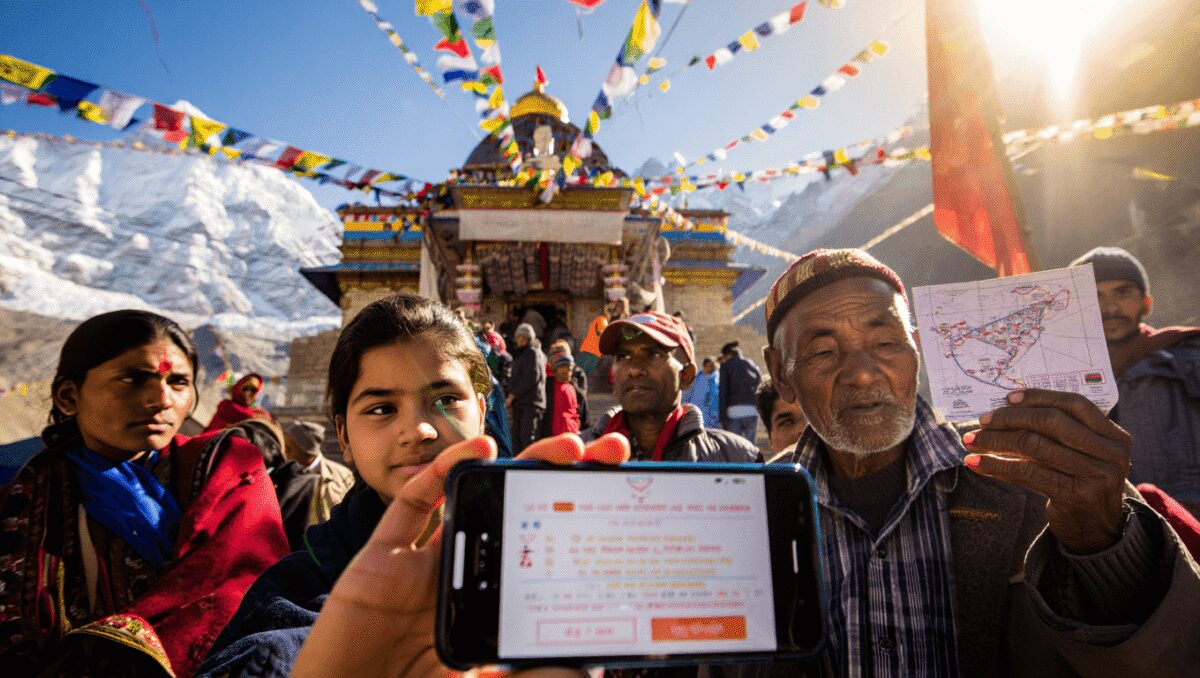
Registration is compulsory for every pilgrim and is provided at no cost. The state also offers a mobile app and WhatsApp registration options to simplify the process.
- Visit registrationandtouristcare.uk.gov.in or download the Tourist Care Uttarakhand app.
- Register using a mobile number (OTP verification) and upload photo ID (Aadhaar, passport or voter ID).
- Enter travel dates, emergency contact and group member details (one number can register several pilgrims).
- Download the Yatra Registration Letter with the QR code and carry both digital and printed copies for checkpoints.
- Offline counters are available at major transit points (Haridwar, Rishikesh, Dehradun) for those who prefer in-person registration.
Note: Pilgrim counts at each shrine are capped daily for safety; complete registration early to secure dates, especially for May–June.
Travel options, timing and costs
Two main approaches dominate: road-based circuits and helicopter yatras. Road trips take longer but cost less; helicopter packages compress the itinerary but are substantially more expensive and weather-dependent.
- Road circuit (typical): 10–12 days from Haridwar. Budget packages start around ₹20,000 per person; mid-range tours are ₹40,000–₹60,000, premium and luxury options rise from there.
- Helicopter yatra: 5–6 days from Dehradun (Sahastradhara helipad). Expect fares from about ₹1.8 lakh to ₹3.15 lakh per person depending on inclusions; book well in advance for May–June.
- Additional on-ground costs: pony/palki charges for Kedarnath or Yamunotri, local puja fees, insurance and incidental expenses — budget a few thousand rupees extra.
Helicopter booking essentials
- Weather can force delays or cancellations — schedule buffer days into plans.
- Operators require passengers’ accurate body weight and valid ID; some insist on medical fitness certificates for older travellers.
- Complete the state registration before buying helicopter tickets; tickets are released by licensed operators.
Route tips and a sample road itinerary
The conventional clockwise route begins in the west with Yamunotri and ends in the east at Badrinath. Many journeys start from Haridwar, Rishikesh or Dehradun.
- Start: Haridwar → Barkot/entry point to Yamunotri
- Proceed: Yamunotri → Uttarkashi → Gangotri → Guptkashi → Kedarnath (trek/helipad) → Joshimath → Badrinath
- Return: Badrinath → Haridwar/Dehradun
Quick guide to each shrine
Yamunotri — The western gateway, set above 3,200 m; access typically involves a short mountain trek or local transport to the base village. Surya Kund and Divya Shila are notable features.
Gangotri — Located on the Bhagirathi’s banks, the shrine is road-accessible and is the traditional pilgrimage’s second stop; the glacier source (Gaumukh) lies further upstream and is a serious trek.
Kedarnath — One of the 12 Jyotirlingas and the most demanding in physical terms. The main temple sits above 3,500 m and is reached by foot from Gaurikund or by helicopter. For 2026, the BKTC has reinforced a ban on carrying mobile phones and recording devices within the temple complex; lockers will be provided outside.
Badrinath — The eastern terminus and road-accessible, Badrinath sits beside the Alaknanda and features hot springs, nearby Mana village and several scenic points of interest.
Weather and timing — month‑by‑month
- Late April: cold, possible residual snow — low crowds but challenging conditions.
- May–mid June: best overall weather — clear, cold nights; busiest period.
- July–August: heavy monsoon rains, landslide risk — travel not recommended.
- September–October: retreating monsoon and clear post‑monsoon skies — good balance of weather and lighter crowds.
- November: temperatures fall sharply; temples begin seasonal closure.
Practical preparation and safety
Altitude and terrain are the main hazards. Prepare physically, carry appropriate clothing and medicines, and follow local advisories.
- Fitness: Build walking endurance 4–6 weeks before travel; trek sections can be strenuous.
- Packing: thermal layers, waterproof shell, sturdy trekking shoes, power bank, sunscreen and essential medicines.
- Documents: carry original photo ID, registration QR code (print + digital), booking and emergency contact details.
- On safety: avoid night trekking, keep cash handy for remote stretches, and follow road/weather alerts from authorities.
Last updated: 7 March 2026. Information compiled from the Shri Badrinath‑Kedarnath Temple Committee (BKTC), Uttarakhand Tourism and the official registration portal registrationandtouristcare.uk.gov.in. Always reconfirm dates, registration procedures and travel advisories with official sources before you go.