
Show summary Hide summary
As Dil Chahta Hai marks a quarter-century since its release, its influence feels less like nostalgia and more like an active blueprint for how Indian popular culture markets urban youth identity. The film didn’t just change cinematic style — it rewired expectations about friendship, fashion, music and how brands speak to a generation whose habits are now shaped by streaming and social media.
When it arrived in 2001, the movie broke with many Bollywood conventions: location-driven scenes, casual wardrobe choices, and conversational dialogue that treated young characters as complex rather than archetypal. That sensibility quietly seeded what critics and cultural observers now call a culture of cool accessible beyond elite circles — available to ordinary viewers in tier-2 and tier-3 cities as much as in metros.
CAA urgency spikes after South Asia unrest: what citizens need to know
Glass shard in school snack sparks probe: book from another faith fuels parent outrage
How style met everyday life
One of the film’s most visible legacies was its approach to aesthetics. Instead of glamourized sets and theatrical costumes, characters wore clothes people could imagine buying; they inhabited cafés, apartments and airport lounges rather than grand mansions. That shift made a contemporary urban lifestyle feel attainable.
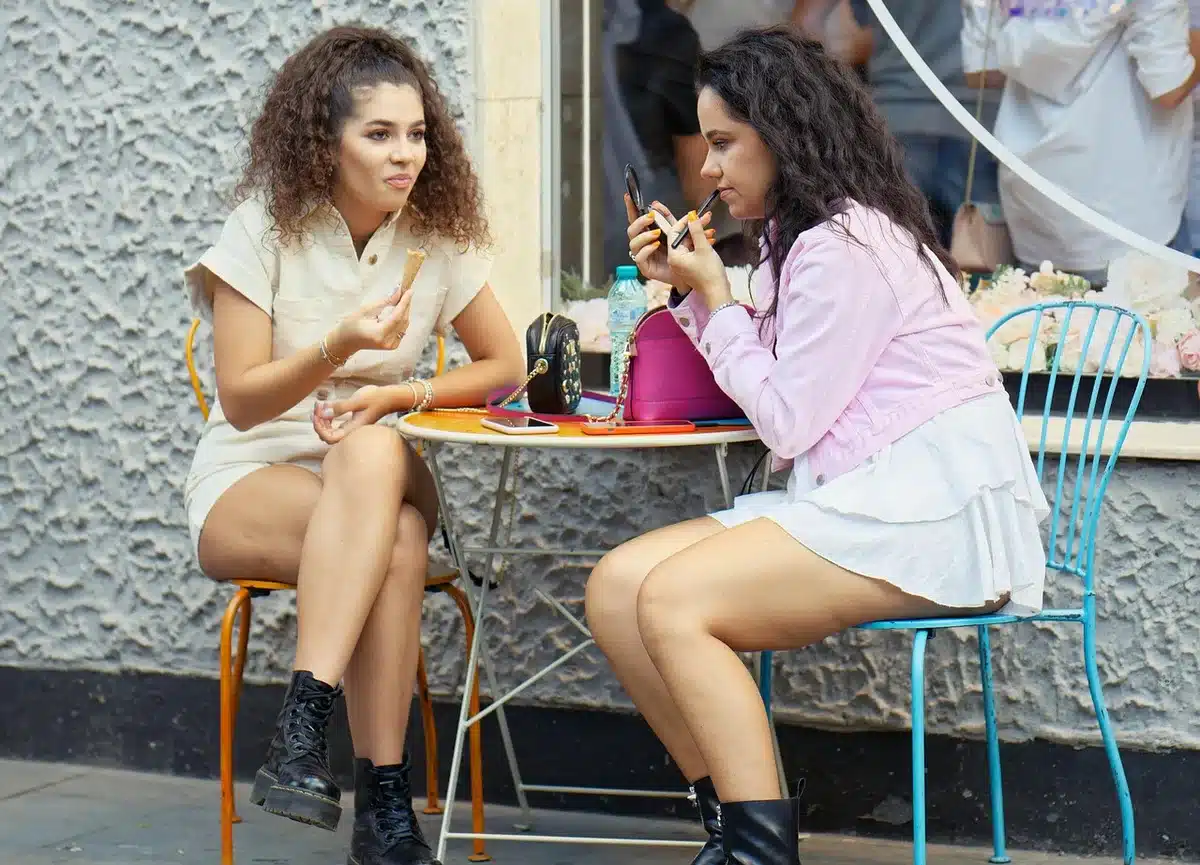
That perceived attainability mattered because it changed how audiences consumed identity cues. Where earlier films presented aspiration as spectacle, this new template offered a softer, replicable script: emulate the look, the playlist, the friendship dynamics. The effect rippled into advertising, fashion retail and even streaming curatorship.
Shifts in cinema and media that followed
The film’s influence shows up in several concrete industry changes.

- Friendship as central narrative: Ensemble relationships moved to the foreground, influencing scripts that center peer dynamics rather than solitary heroes.
- Casual realism: Scripts favored naturalistic dialogue and everyday settings, prompting directors to shoot on location and producers to invest in smaller, character-driven projects.
- Soundtracks as identity markers: Sound design and music licensing began serving as extensions of character identity, with playlists becoming cultural shorthand for lifestyles.
- Fashion and retail tie-ins: Brands started to mirror on-screen wardrobes in campaigns, accelerating collaborations between filmmakers, stylists and commercial labels.
These changes weren’t instantaneous, but they became durable. Streaming platforms and social feeds reinforced the film’s aesthetics by surfacing similar content to users who engaged with urban youth narratives, accelerating a feedback loop between audience preference and production choices.
Why this matters now
Today’s media environment—dominated by algorithmic recommendations and short-form clips—amplifies any visual language that feels both stylish and achievable. That’s precisely the niche the film helped create. For creators, the lesson is practical: cultural influence grows when style is human-scaled and reproducible.
The commercial consequences are tangible. Advertisers find it easier to sell products when the imagery is rooted in everyday aspiration. Writers and directors can reach wider, younger audiences by foregrounding friendships and small, real-world details instead of relying solely on spectacle. For viewers, the outcome has been more diverse representations of modern urban life on screen.
Longer view: evolution, not single origin
It’s important to avoid overstating causation. Cultural shifts are cumulative: economic growth, global travel, the internet and shifting family structures also played major roles. But as an early mainstream text that paired naturalistic style with commercial success, the film served as an accelerant — a recognizable moment when a new vernacular crossed from niche to mainstream.
In practice, that means the film is less a solitary architect of change and more a widely visible milestone that creative industries referenced and refined. Directors, showrunners and marketers absorbed its lessons and adapted them to new formats. That adaptability explains why echoes of its approach surface in everything from coming-of-age web series to lifestyle influencer content.
What to watch next
For readers paying attention to cultural trends, three things are useful to track:
- How streaming platforms continue to prioritize low-cost, character-led projects that mirror everyday urban experiences.
- Brand collaborations that translate screen wardrobes into retail collections aimed at younger consumers.
- New filmmakers and writers who reinterpret the film’s vernacular for regional languages and non-metro audiences.
For a generation whose identity cues migrate fast, the film’s enduring lesson is that cultural resonance grows from authenticity and repeatability. That quiet democratization of style — turning aspirational looks and attitudes into something replicable — is the core of why Dil Chahta Hai still shapes how Young India sees itself on screen and in the marketplace.