Show summary Hide summary
Leaders in several communities are urging affluent families—especially women with social influence—to curb displays of luxury at weddings as a practical way to weaken the cycle of dowry demands. That call matters now: rising wedding costs and entrenched expectations continue to delay marriages and strain household finances across generations.
When ceremony becomes commerce
What begins as a personal choice about clothing or jewellery often radiates outward. Lavish gifts or expensive trousseaux set a benchmark others feel compelled to match. Over time those displays harden into expectations that the bride’s family must meet, turning a private rite into an economic transaction.
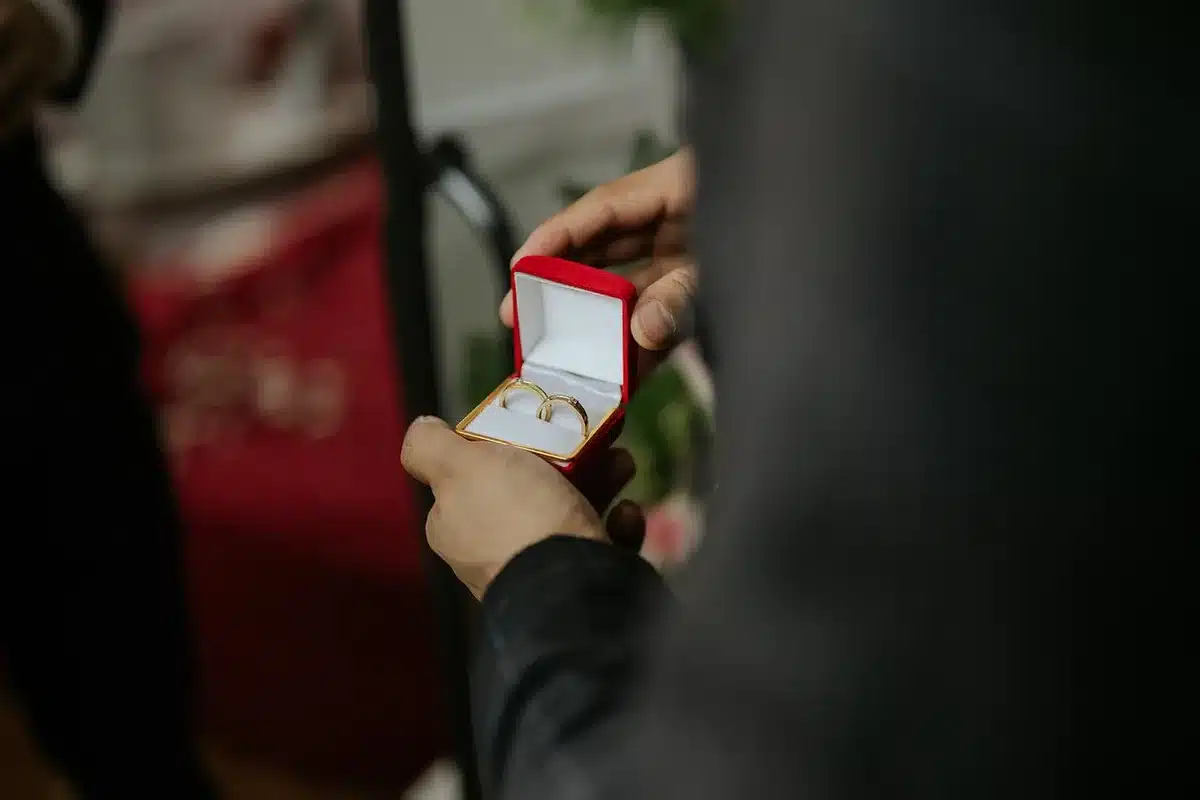
The result is twofold: prospective brides may face postponed or broken engagements, and families—especially those with fewer resources—are pushed into debt trying to meet demands. Even voluntary gifts can normalize a pattern that quickly becomes coercive.
Puja bookings from abroad: what to verify about sankalp, gotra and priest credentials
Sadhus: inside their growing political and cultural influence
A responsibility for the better-off
Women from well-to-do households who moderate their wedding customs can have outsized influence. When a prominent family refuses extravagant items, it reduces the social pressure on less affluent households and interrupts the upward escalation of gifts.
That leadership looks like accepting a marriage on the basis of character and compatibility rather than as an opportunity for material gain, and it means refusing to treat nuptials as an occasion to extract wealth from the bride’s family.
At the same time, there is a practical element for the groom’s side: families should cover their own wedding expenses and avoid recouping those costs from the bride’s relatives. Asking for reimbursement or expensive items on the basis of privilege erodes trust and feeds a cycle that harms both sides.
Practical steps families can take
- Groom’s family: publicly state that no dowry will be sought or accepted; assess the match on character and family background alone.
- Bride’s family: if gifts are insisted upon by custom, convert them into personal assets for the bride—such as savings or property—rather than offerings expected by the groom’s household (stridhana).
- Women in the community: set visible examples by opting for modest attire and restrained celebrations to lower social expectations.
- Extended networks: religious and civic leaders should endorse marriage practices that do not involve material exchange, reinforcing norms that protect young women.
- Couples: discuss financial boundaries openly before marriage so that expectations are clear and shared.
Even when a dowry or lavish present comes willingly from the bride’s side, accepting it can have harmful ripple effects. The practice signals to others that demands are reasonable, increasing pressure on future families. Refusal—even in the face of voluntary offers—helps prevent the normalization of exchange-based alliances.

Why this shift matters beyond money
At stake are social values as much as household budgets. When weddings are used to extract wealth, marriage becomes an instrument of inequality rather than a mutual commitment. Young women pay the cost in delayed prospects, emotional distress, and sometimes in diminished agency over their own lives.
Reducing emphasis on material trappings restores focus to the core purposes of partnership: shared responsibility, mutual respect and family-building. Communities that adopt these priorities tend to experience fewer marriage-related disputes and less long-term financial strain.
Obstacles and the need for visible leadership
Change requires someone to go first. Cultural habits are resilient: families may fear social sanction for rejecting customary displays, and relatives can pressure each other to conform. That makes early adopters—couples, parents or community figures—critical.
When influential households choose restraint, the signal spreads. Small acts—declining diamond studs, avoiding extravagant trousseaux, or refusing to demand reimbursement—accumulate into an alternative norm. Those who lead this way frame it as a sacrifice for the wider good, not as moral superiority.
Ultimately, dismantling the cycle of material expectation around marriage needs both personal resolve and collective reinforcement. If families treat weddings as moments to strengthen relationships rather than to reassign wealth, the social and financial benefits will follow.