Show summary Hide summary
A fresh wave of communal violence during this month’s Durga Puja has reignited questions about Bangladesh’s commitment to its founding promise of secularism and the state’s ability to protect religious minorities. In a conversation with Subrata Chowdhury, a senior lawyer at the Supreme Court in Dhaka, he lays out how recent incidents, weak law-enforcement response and stalled legislative promises have combined to leave Hindu, Buddhist and Christian communities vulnerable.
From constitutional ideals to mounting insecurity
Chowdhury traces the problem back to the aftermath of Bangladesh’s 1971 independence, when the 1972 constitution enshrined principles including secularism and social justice. He says those commitments have since been undermined by policy shifts and legal changes that, in his view, have encouraged a more majoritarian public culture.
He points to law‑making and educational changes that, according to him, aligned state policy closer to conservative religious groups. That realignment, he argues, has contributed to a pattern in which attacks on religious minorities are too often tolerated or left unpunished.
Annamalai applauds Bhagwat’s message on Muslim inclusion in India
Navratri in Times Square goes viral: social media splits over Indian celebrations abroad
What happened in Cumilla — and why it spread
The most recent flashpoint began in Cumilla, southeast of Dhaka, when a replica of the Quran was reportedly used as part of a decorative display at a community pandal. Local police removed the book and, Chowdhury reports, displayed it on a Facebook Live stream, an action that inflamed crowds.
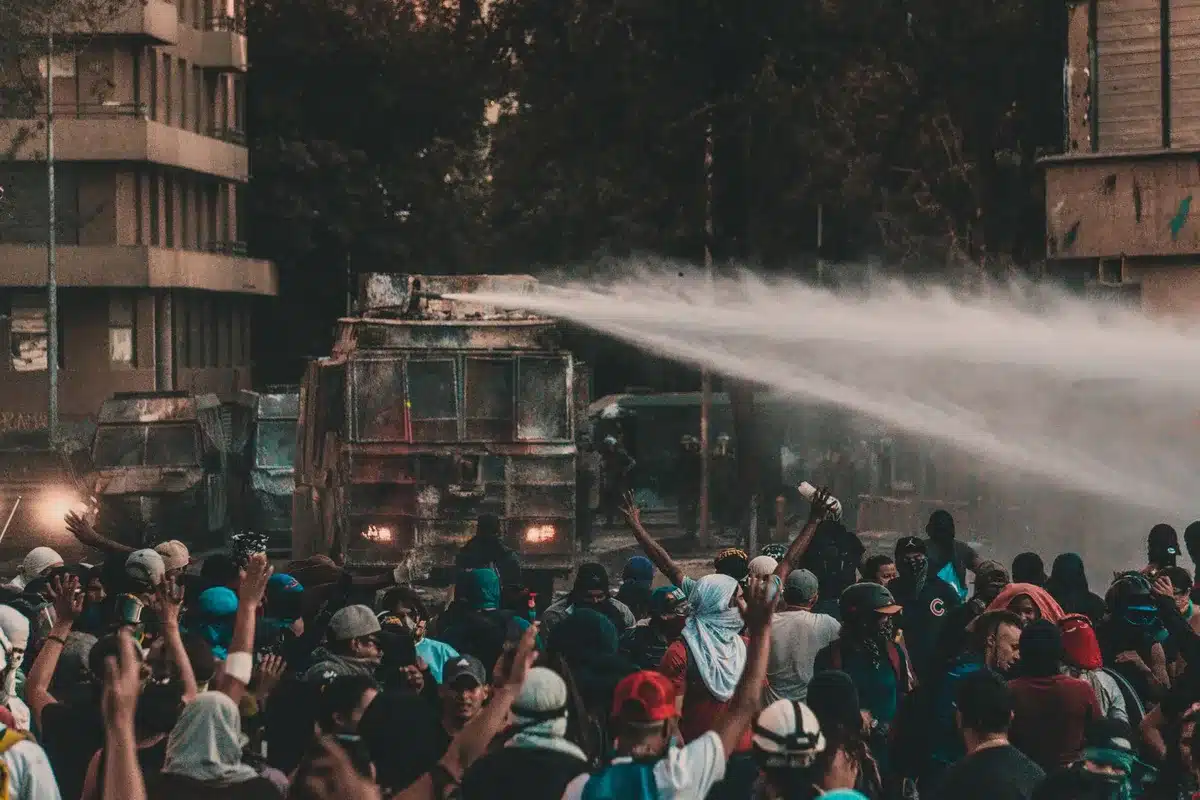
According to Chowdhury, senior local officials visited the site but failed to take timely steps to defuse tensions. Violence then escalated within the city and rapidly spread across more than 20 districts, leaving dozens injured and prompting mass displacement in some areas.
Chowdhury says this episode is symptomatic: sometimes attacks are orchestrated, sometimes they begin as an incident that spirals out of control, but a consistent feature is the delayed or absent protection from state authorities.
He cites a broader trend: since 2015 there have been, he says, roughly 3,600 recorded attacks against Hindus, Buddhists and Christians — a number he uses to underline the scale of minority insecurity in recent years.
Where the state has fallen short
Beyond immediate policing failures, Chowdhury highlights structural gaps. He says pledges made in party manifestos — notably a promised Minority Security Act and a National Minority Commission — remain unfulfilled, leaving no clear legal framework to prevent or respond to communal attacks.

He is also critical of the National Human Rights Commission’s response, describing it as ineffective in practice when mass incidents occur. Educational content changes, he warns, have further eroded a secular civic culture by reflecting the preferences of influential conservative groups.
- Delayed policing: Law enforcement often arrives after violence has peaked.
- Unmet legislative commitments: Key laws and commissions promised for minority protection have not been enacted.
- Institutional inaction: Rights bodies and local administrators, he says, fail to deter or punish perpetrators.
Immediate remedies demanded by activists
Chowdhury outlines concrete steps he believes the government can take without delay. He frames these as both legal safeguards and practical protections:
- Pass a Minority Security Act and establish a functioning National Minority Commission.
- Hold police and administrative officials accountable for failure to protect vulnerable communities.
- Deploy special protection plans around religious festivals and places of worship.
- Restore and strengthen secular content in school curricula to reduce communal polarisation.
- Address longstanding property and restitution grievances that have left minorities economically exposed.
All these measures, he says, are essential not only for immediate safety but to prevent long-term erosion of pluralism.
For readers in Bangladesh and observers abroad, the stakes are clear: recurring attacks and the perception of official indifference risk deepening communal fractures, triggering further displacement and undermining the constitutional order established after independence. Chowdhury warns that unless the government acts decisively, minority communities will continue to face mounting insecurity and a shrinking space for dissent and difference.