Show summary Hide summary
Sri Lanka’s past is layered: an island where worship of Shiva predates many written records, later transformed by the arrival of Buddhism, and then rent by modern ethno-religious politics. That history is not academic—decisions made decades ago still shape daily life for Tamil Hindus and the island’s future stability.
Ancient threads under modern scrutiny
Archaeological traces and epic literature point to an early Shaiva presence on the island long before Buddhism became dominant. The island appears in the Ramayana and local traditions remember rulers and cults tied to Shiva, suggesting Hindu practices were woven into Sri Lanka’s earliest societies.
Sharad Purnima 2026: moonrise time and rituals for kheer and all-night vigil
Ugadi guide: crucial updates, dates and traditions to know today
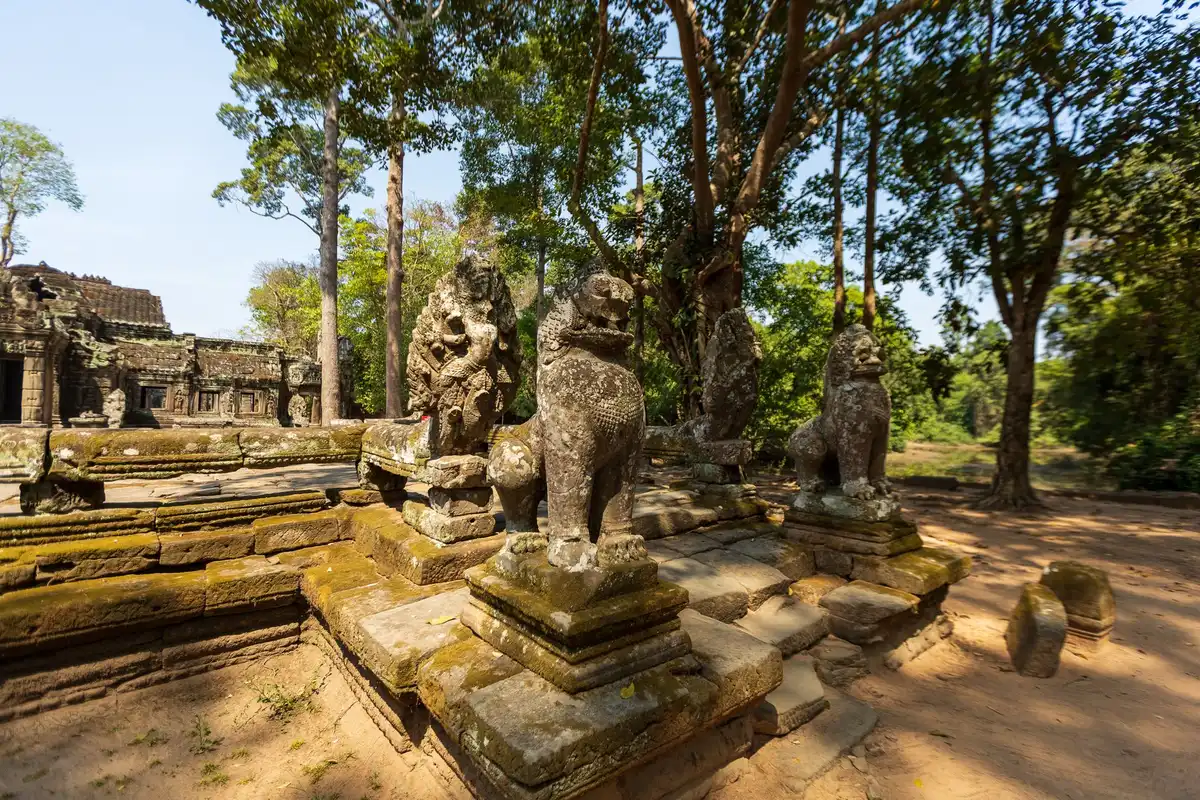
By the 3rd century BCE, however, Buddhism gained state patronage after missionaries connected to the Mauryan empire converted the ruling king. That royal sponsorship helped Buddhism become the majority faith over the following centuries, shaping institutions and national identity.
How religion and identity became politics
The island’s two largest communities—ethnic Sinhalese, largely Buddhist, and ethnic Tamils, largely Hindu—trace their origins to different migration waves across centuries. Those demographic and cultural differences were later politicized.
Historical chronicles and nationalist narratives that emphasize a Sinhala-Buddhist inheritance hardened perceptions of belonging, while colonial-era policies that advantaged minorities in some spheres added new resentments. After independence, successive laws and administrative choices increasingly prioritized the Sinhala-Buddhist majority, narrowing space for Tamil language, land rights and political representation.
From discrimination to decades of war
These cumulative grievances fed militant responses. In 1983, anti-Tamil violence dramatically escalated into mass killings and large-scale displacement, a turning point that helped swell the ranks of armed Tamil groups.
Over the next 26 years Sri Lanka endured a brutal civil war. The conflict combined guerrilla tactics, conventional battles and widespread abuses. Independent investigators, human-rights organizations and UN bodies have documented crimes by both state-aligned forces and Tamil militants, including the recruitment of child soldiers and deliberate attacks on civilians.
The human and cultural cost
The war’s death toll and displacements were enormous. Tens of thousands lost their lives, and many more were uprooted from homes and livelihoods—effects that persist in the north and east.
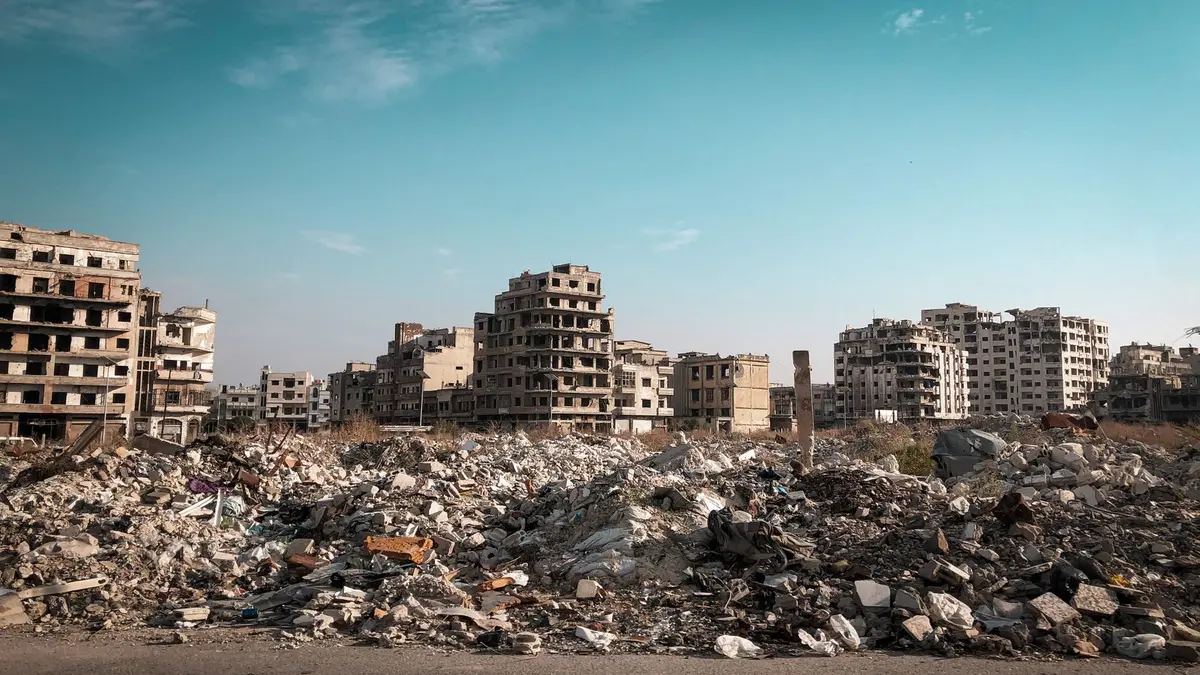
Religious infrastructure suffered too. Numerous Hindu temples and cultural sites were damaged or destroyed during periods of fighting and communal violence, eroding community anchors that had survived earlier centuries of upheaval.
What persists after the guns fell silent
Since the formal end of hostilities, many Tamils report ongoing discrimination in access to land, employment and justice. Military presence in formerly contested areas remains extensive, affecting everyday life and economic recovery. Human-rights monitors continue to raise concerns about impunity for wartime abuses and the pace of resettlement and rehabilitation.
At the same time, there have been intermittent political gestures toward accountability and reform—some reversed or diluted by later administrations—leaving reconciliation efforts incomplete.
- Demilitarization: Returning state-held land and reducing military control in civilian areas.
- Accountability: Credible investigations into alleged wartime violations and concrete measures to ensure justice.
- Constitutional equity: Removing legal privileges that elevate one religion above others and ensuring minority language and political rights.
- Reconstruction of cultural sites: Restoring temples and community infrastructure essential for social recovery.
- Power-sharing: Implementing decentralization guarantees to give regional communities meaningful authority over local affairs.
Why this matters now
Sri Lanka’s stability depends on resolving long-standing grievances tied to land, religion and identity. Without sustained political will and international engagement focused on human rights and inclusive governance, the structural drivers of past violence remain present.
For Hindu Tamils, safeguarding religious freedom and cultural heritage is not only about rituals and buildings; it is central to recovering dignity, economic opportunity and trust in state institutions.
Path forward
Rebuilding trust will require a mix of policy changes and tangible acts—returning property, restoring collective memory sites, prosecuting abuses fairly, and devolving power as promised in previous agreements. External actors such as the United Nations and key diplomatic partners can support verification and provide technical aid, but durable progress must be driven by credible domestic commitment.
History on the island is ancient, but its consequences are immediate. Recognizing the deep roots and contemporary stakes of Hindu presence in Sri Lanka is an essential step toward a more just and stable future.
This article synthesizes findings from UN reports and human-rights investigations into Sri Lanka’s post-conflict situation.