
Show summary Hide summary
With colder weather arriving and respiratory viruses still circulating, the way we eat this season matters more than ever. Divya Alter, a New York–based Ayurvedic cook and teacher, outlines how traditional principles of Ayurveda can guide winter meal choices to support digestion, immunity and steady energy.
Food as medicine: the Ayurvedic starting point
In Ayurvedic practice, diet is not merely fuel but a primary tool for maintaining balance between body and mind. Rather than one-size-fits-all rules, food is selected to match an individual’s constitution, current imbalances and the local climate. That means what works in a tropical region may need adjusting for a cold, windy winter in the Northeast.
Annamalai applauds Bhagwat’s message on Muslim inclusion in India
Navratri in Times Square goes viral: social media splits over Indian celebrations abroad
Central concerns are keeping digestion strong and avoiding what Ayurveda calls ama — residual, poorly digested material that can clog systems and undermine immunity. Seasonal shifts are treated like wardrobe changes: modify your menu to remain in harmony with the environment.
What to favor this winter
Favor foods that bring warmth, moisture and grounding into the system. These choices help counteract the external cold and dryness and support digestion.
- Warm, cooked dishes: soups, stews, curries and kitchari (a rice-and-lentil porridge)
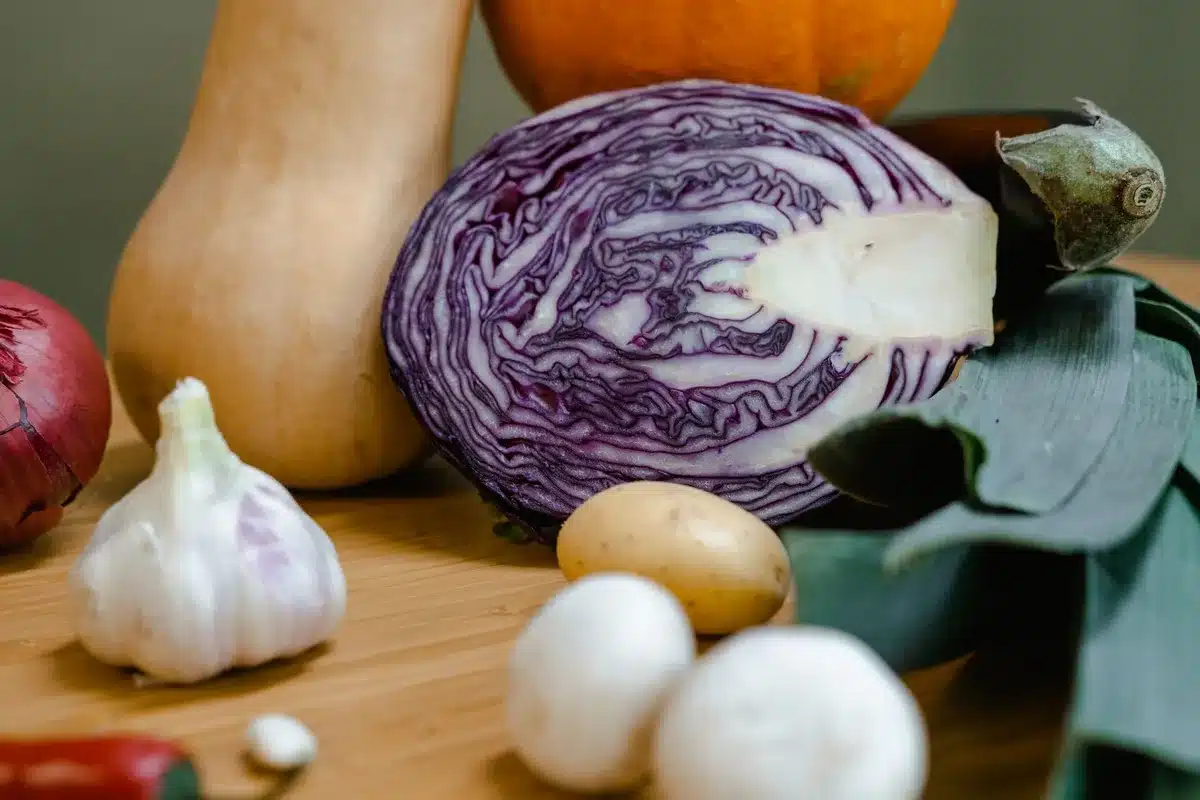
- Comforting root vegetables and winter squashes, in moderation and often spiced
- Smaller lentils and legumes for easier digestion and extra protein
- Warm milky drinks and teas—ginger tea is especially recommended
- Healthy fats to combat dryness: ghee, olive oil, sesame or mustard oil if you are used to them
- Dairy eaten warm or at room temperature (paneer and homemade yogurt, warmed slightly, are preferred to cold commercial yogurts)
What to avoid during cold months
Steer clear of foods that amplify the season’s cooling and drying qualities or that are hard to digest.
- Raw salads and cold foods—these can increase gas and congestion
- Excessively cooling items such as coconut-based oils and tropical fruits like watermelon
- Dry, crunchy snacks (popcorn, chips) that promote internal dryness
- Highly processed white-flour and refined-sugar baked goods
- Very bitter foods in excess; bitter flavors are more appropriate in spring
Practical steps to strengthen immunity
Beyond individual ingredients, the overall pattern of what and how you eat shapes immune resilience.
- Prioritize easily digestible meals to avoid ama buildup.
- Use warming spices—ginger, black pepper, turmeric and cumin—to support digestion and circulation.
- Keep meal timing regular and favor freshly cooked food over ultra-processed options.
- Include warm liquids and broths; they soothe the respiratory tract and help clear mucus.
Ginger deserves a special mention: it is widely used for circulation, to reduce phlegm and for its antimicrobial properties. Incorporating ginger into soups, stews and teas can be an easy, effective habit for the season.

Recipes and adaptation: Ayurveda beyond Indian cuisine
Many winter staples translate easily into Ayurvedic-friendly meals. Think roasted root-vegetable bowls, hearty minestrone-style soups, and creamy warm smoothies made with cooked sweet potato or squash blended with nut milk and dates. The principle is local adaptation—apply Ayurvedic guidelines to ingredients available where you live rather than insisting on specific regional dishes.
How to get started: simple, realistic changes
Begin with small, sustainable shifts rather than a complete diet overhaul.
- Cook more meals at home; even basic soups and stews make a big difference.
- Switch to whole-grain flours for baked goods and breads.
- Warm refrigerated dairy before eating or choose homemade yogurt.
- Perform a brief daily check-in: How do I feel? Am I hungry? Too dry? This builds the self-awareness Ayurveda emphasizes.
Longer-term benefits people report
Practitioners often notice steady, sustainable energy, improved sleep and clearer skin once digestion normalizes. Weight tends to settle toward a person’s natural range without strict calorie restriction, and chronic issues related to poor digestion can improve when the diet reduces ama and strengthens metabolic fire.
These outcomes rely on consistency. Ayurveda frames health as a participatory practice: diet, lifestyle and small daily rituals together determine whether the approach takes hold. As cold weather raises the stakes for respiratory health, adopting warming, digestible meals is a practical, evidence-informed first step.