Show summary Hide summary
There is a growing shift in how people seek relief from continual fatigue and stress: instead of another spa weekend or a fitness boost, many are turning to practices that reconnect body and belief. The change matters because superficial fixes rarely stop the return of that familiar heaviness—and for a rising number of people, deeper restoration is what sticks.
When rest isn’t enough
Short breaks and wellness trends often target the visible signs of strain—sleep patterns, cortisol levels, muscle tone. Those improvements can be real but fleeting. For many, the exhaustion that lingers after weeks or months of “self-care” has a different source: a sense of disconnection, a quiet erosion of meaning that physical treatments do not reach.
Kashi to Kedarnath costs revealed: how much a Sawan pilgrimage will set you back
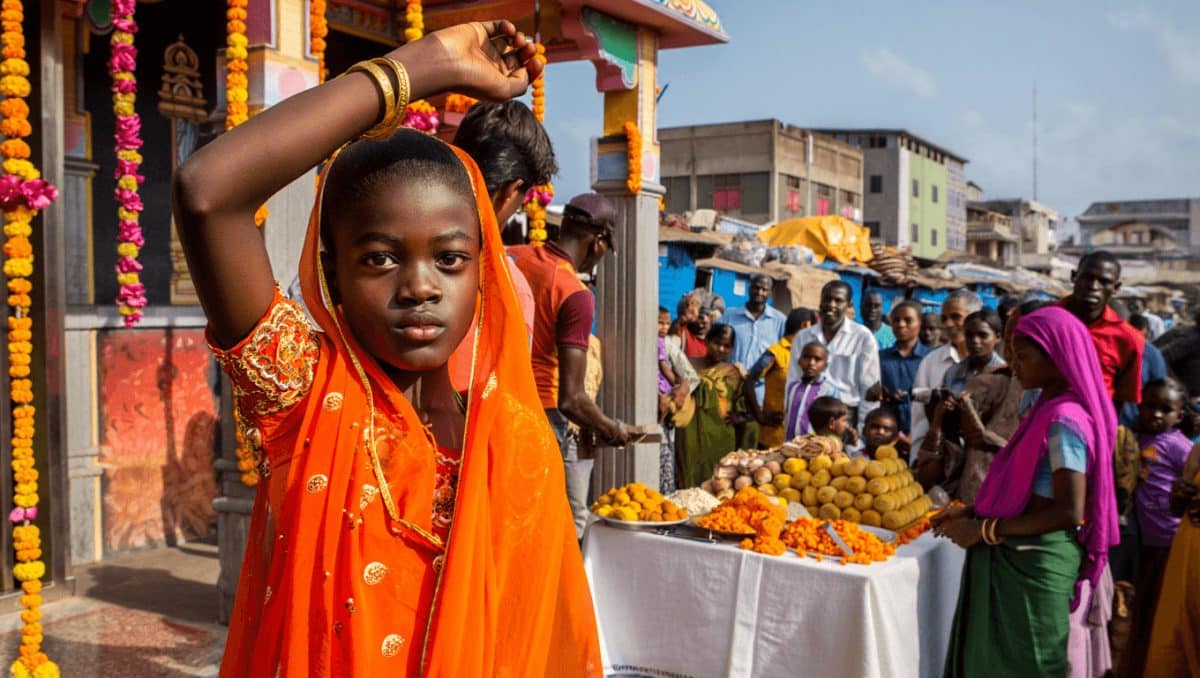
Hinduism gains ground in Africa: new communities reshape culture and commerce
That void is prompting renewed interest in practices that address the interior life as deliberately as the body. People report longer-lasting effects when their routines include contemplative disciplines, ritual, or time spent in places with sustained spiritual practice.
The Indian framework for whole-person care
For centuries across the subcontinent, health was framed as an integrated pursuit—an alignment of body, mind and what might be called soul. Contemporary seekers are revisiting that framework not as nostalgia but as a practical alternative to cyclical burnout.
Key elements in this approach include:
- Ayurveda — a systems view of physiology and diet aimed at rebalancing what traditional texts call doshas.
- Yoga and pranayama — movement and breath work that stabilize the nervous system and create space for reflection.
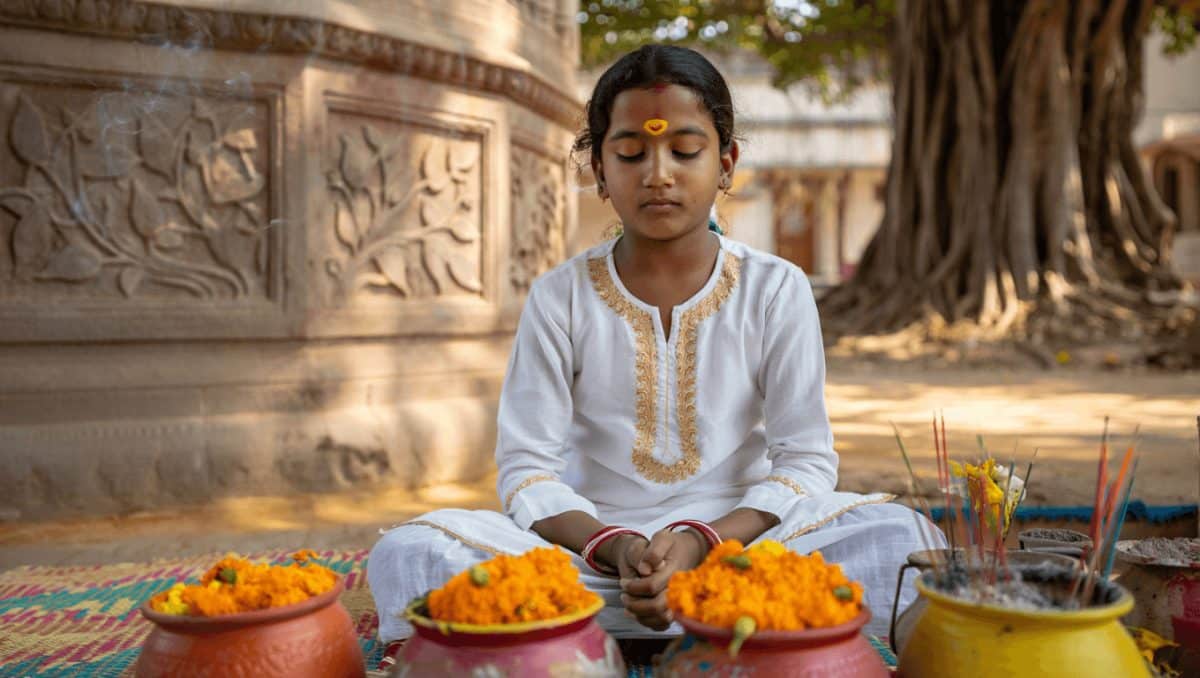
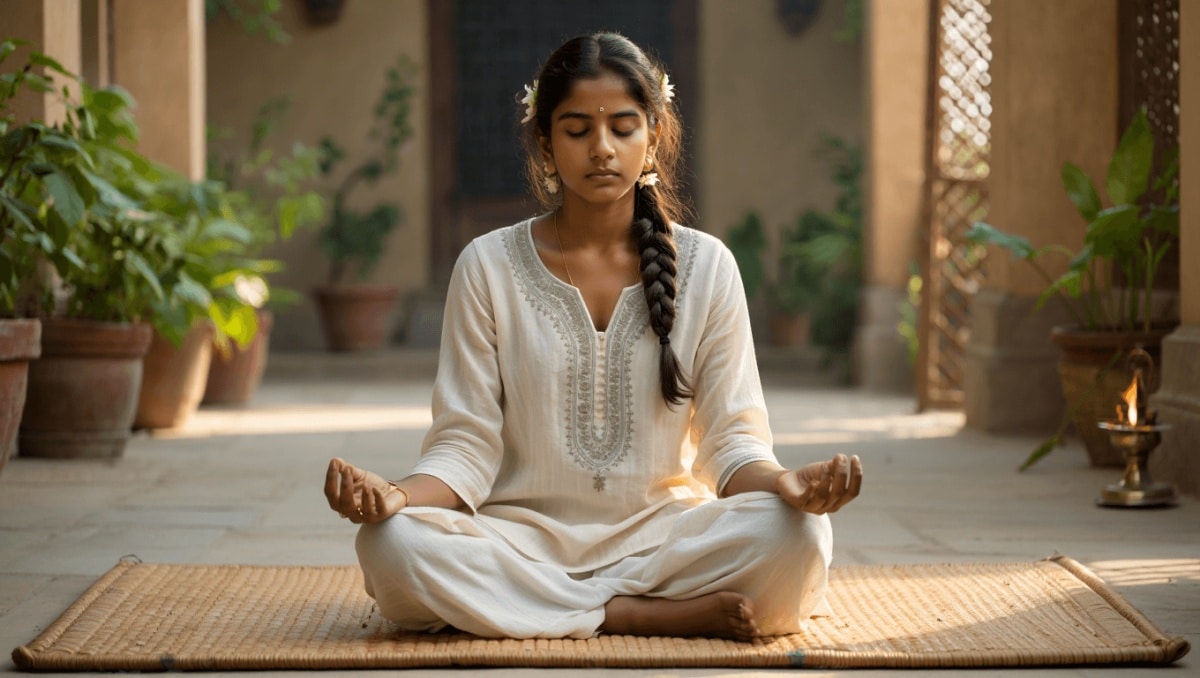
- Meditation practices such as japa or Yoga Nidra — techniques designed to withdraw attention inward and cultivate restful awareness.
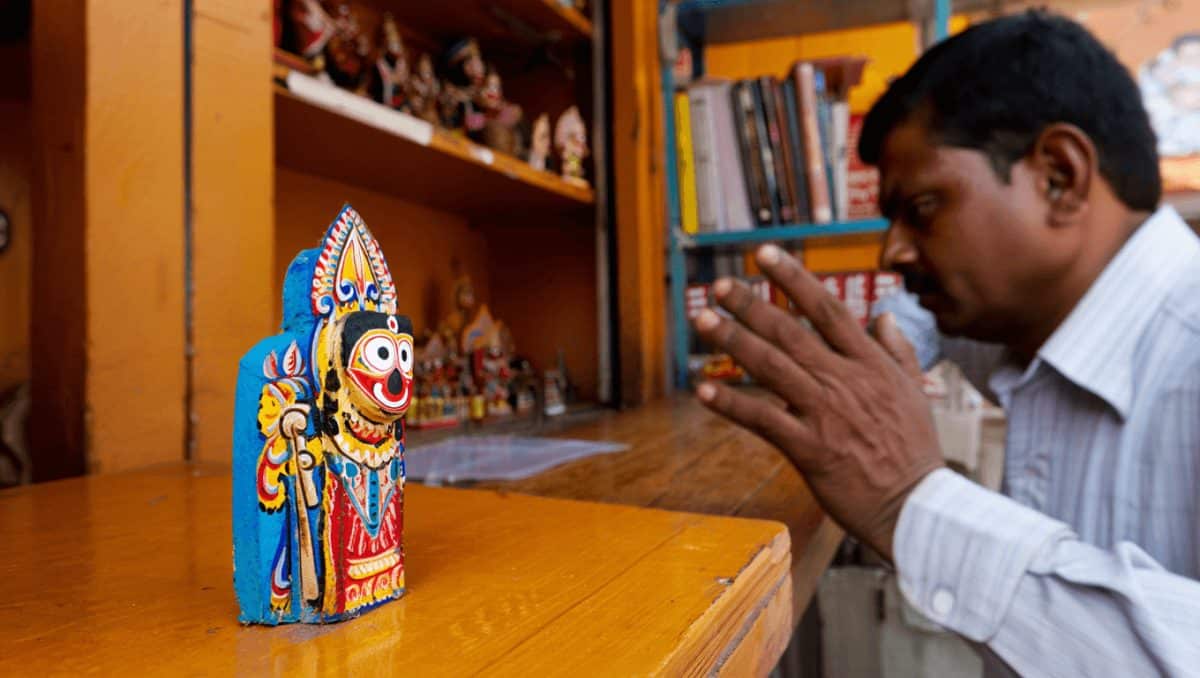
- Ritual forms like darshan, puja and aarti — communal and devotional acts that reconnect individuals to a larger sense of belonging.
Taken together, these components operate less like a sequence of appointments and more like a continuous practice: a day shaped to allow inner attention to deepen naturally rather than be squeezed between tasks.
Why geography still matters
Certain sites carry collective layers of practice and memory that change how people feel on arrival. Pilgrimage hubs and longstanding centers of devotion can facilitate shifts that are hard to reproduce in isolated luxury settings.
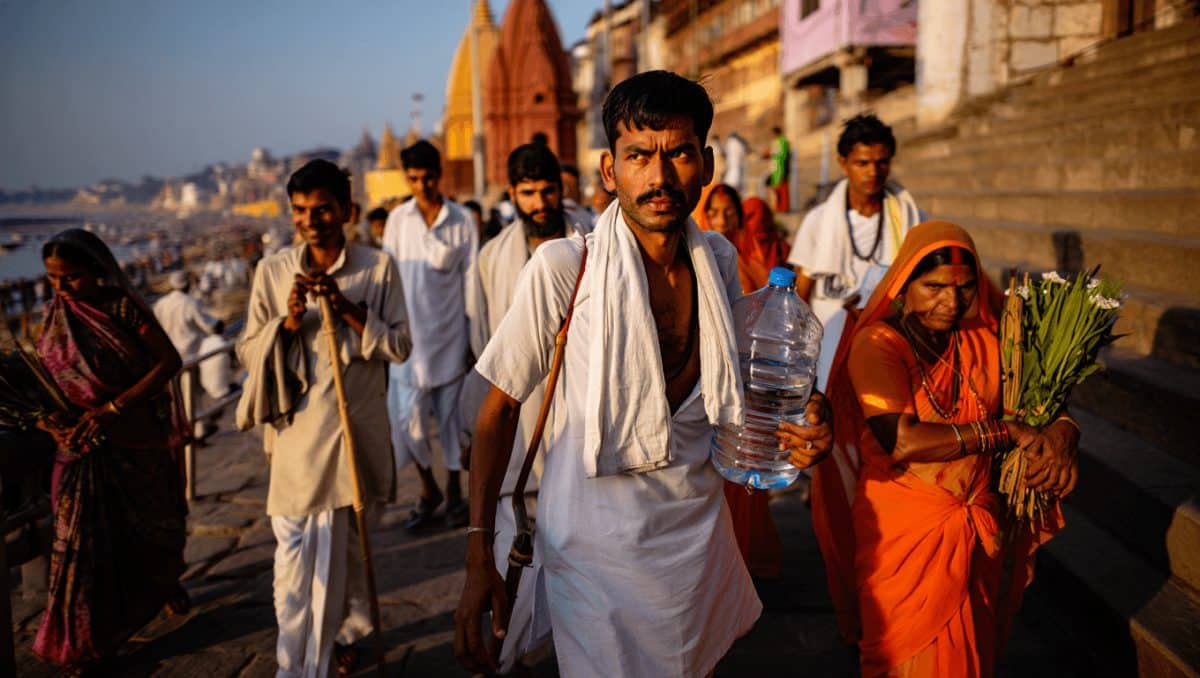
Visitors often describe a subtle, immediate difference: the cadence of a riverbank ceremony, the hush of a hilltop at dawn, or the shared rhythm of chanting in an old city. These are not merely aesthetic experiences—the accumulated practices of a place can lower barriers to surrender and help the body loosen its grip on habitual tension.
Examples across the region illustrate different effects: riverfront rituals that encourage rhythm and witness; temple towns where ritual life presses people into collective attention; quiet southern ashrams that emphasize slow learning and traditional therapies. The common thread is that the environment participates in the healing process.
Practical barriers — and what helps
Interest in spiritually framed wellness has grown, but practical obstacles keep it out of reach for many. Planning that integrates medical consultations, ritual timings, and transport can be complex—especially for older travelers or families coordinating multiple generations.
Several low-friction solutions are emerging in response. These include coordinated itineraries that sequence practices so participants move from movement to therapy to worship without logistical friction, trained guides who can bridge ritual and clinical needs, and accommodations designed to minimize physical strain for those with mobility concerns.
For returning migrants and diaspora communities, guided programs that combine cultural reorientation with gentle, structured practice can be especially valuable: they ease the transition back into settings where scripture, language and ritual are woven into daily life.
What readers should consider
Not every spiritual itinerary is the same. Look for offerings that treat ritual and therapy as complementary rather than decorative—that is, those where devotional practices are integrated into a consistent daily rhythm rather than tacked on to tourist sightseeing.
- Intent matters: choose a program that clarifies whether its focus is contemplative restoration, clinical treatment, or both.
- Continuity: check whether the practice taught can be continued at home (brief breathwork, a simple meditation, a daily ritual).
- Accessibility: verify arrangements for mobility, dietary needs, and paced schedules for older participants.
- Local context: prefer experiences that respect and explain the customs of the place rather than commodify them.
Beyond a getaway
The promise of spiritual approaches to wellness is not simply a longer nap or a feeling of “being on holiday.” People who commit to practices that engage belief, rhythm and place often report shifts that persist: calmer breath, steadier attention, and a renewed sense of belonging that changes how they approach daily life.
For those who have tried conventional rest and found it only temporarily helpful, exploring integrated spiritual wellness offers a different path—one oriented less toward quick fixes and more toward rediscovering what felt whole in the first place.
May any journey toward deeper restoration meet your need with steadiness and care.