Show summary Hide summary
When the first group of Indian laborers landed in Trinidad in the mid‑19th century, they arrived not as tourists but as people forced to choose survival over staying home. Their arrival set in motion a story of labor, faith and institutional struggle whose effects are still visible in Trinidad and Tobago’s politics, schools and festivals today.
Voyage and arrival
On a May day in 1845 a ship carrying more than 200 passengers reached Port of Spain after a hazardous sea crossing from colonial India. The journey had been marked by overcrowding and outbreaks of cholera, measles and other illnesses; many aboard had left famine and heavy taxation behind and saw the Caribbean work contracts as a grim necessity rather than a voluntary opportunity.
Annamalai applauds Bhagwat’s message on Muslim inclusion in India
Navratri in Times Square goes viral: social media splits over Indian celebrations abroad
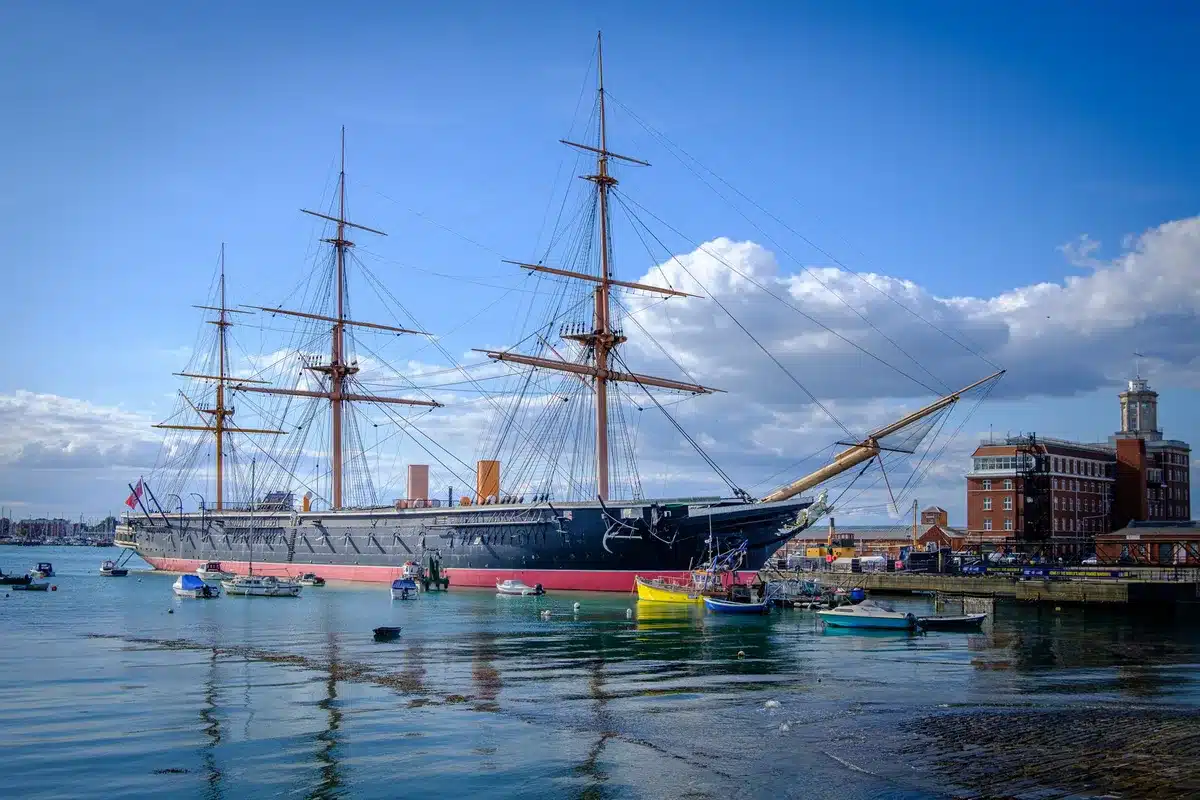
Between 1845 and 1917, vessels transported some 140,000 Indians to Trinidad and Tobago under the system of indenture. The promises made by recruiters and plantation managers often did not survive the voyage: wages were minimal, terms were frequently broken, and living conditions on the sugar estates were harsh.
Religion as a social anchor
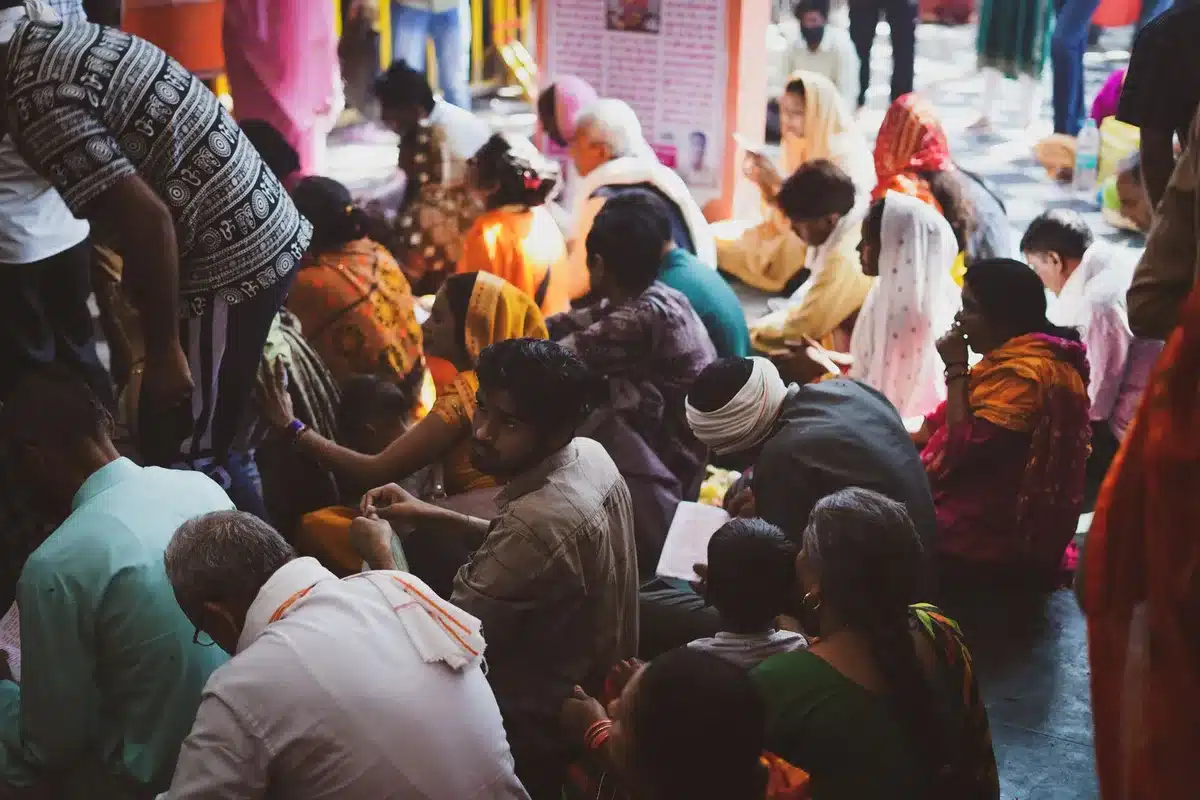
Even under dire conditions, spiritual life became a central source of stability. In communal barracks after long days in the fields, people recreated rituals and songs from their homeland. Performances drawn from epic stories—most notably the narrative of Rama’s victory over Ravana—offered collective meaning, moral instruction and emotional solace.
The persistence of temple rituals, devotional music and seasonal observances helped knit dispersed workers into enduring communities, preserving practices that colonial authorities often dismissed as primitive or irrelevant.
State policy, conversion and education
Colonial governance imposed obstacles that reshaped Hindu life on the islands. Legal recognition of Hindu marriages was withheld for many decades; until the mid‑20th century, only civil or Christian ceremonies were routinely accepted for inheritance and property rights. That legal framework pressured many to undergo state‑recognized marriages or to convert, with long-term economic consequences.
Access to schooling compounded the problem. Prior to public support for non‑Christian schools, most formal education available to Indian children came through missionary institutions that frequently expected—or required—conversion. For families seeking social mobility, that created painful trade‑offs between cultural continuity and economic advancement.
- Legal exclusion: Hindu marriages lacked full civil recognition until the 1940s.
- Education gap: State funding for Hindu schools arrived much later than for Christian missions.
- Economic impact: Contemporary estimates put the cumulative loss of property by Hindus denied legal protections in the colonial era in the hundreds of millions to billions of dollars (adjusted to present‑day values).
Organized revival and institutional growth
Inspired in part by Indian independence and global movements for cultural self‑respect, local Hindu leaders in Trinidad organized to protect religious life and social interests. In 1952 they established the Sanatan Dharma Maha Sabha (SDMS), which coordinated temple activities, standardized rituals and prioritized education.
Over a few years the SDMS launched dozens of schools and published religious material to ensure consistent teaching. Today the organization is affiliated with numerous early childhood centers and scores of schools, supports hundreds of temples across the islands, and maintains a cadre of priests who continue to lead community life.
Political representation and cultural visibility
Political gains followed cultural consolidation. Prominent Hindu politicians have held the nation’s highest offices, signaling a broader acceptance of the community into public life. The island’s Hindu population—about 240,000 people, roughly 18 percent of the country—now plays a visible role in civic and cultural life.
- Major festivals such as Diwali, Ganesh Chaturthi, Ram Navami and Holi are observed island‑wide and draw participation beyond the Hindu community.
- Approximately 300 temples serve as focal points for worship and social gatherings.
- Religious flags and household shrines remain common features of Indo‑Trinidadian neighborhoods.
The arc from indentured labor to established minority shows how religious practice and organization can shape a community’s long‑term trajectory. For Trinidad and Tobago, the Hindu tradition is now both a private faith and a public presence—embedded in schools, politics and national festivals—reminding the country of the complicated legacies of migration, colonial policy and cultural resilience.