Show summary Hide summary
I flew to Goa last month for a week-long Ayurvedic retreat intending to decompress after weeks of advocacy work. The trip folded together two sharp realities: a desire for personal renewal and the uneasy backdrop of regional security warnings that made a routine flight feel politically charged—an experience that matters now for anyone weighing travel, safety and cultural exchange.
There was a knot of apprehension on the tarmac. International advisories and public threats had recently put some Indian carriers and passengers in the headlines, reviving memories of the 1985 Air India bombing that left 329 people dead. Those historical and current tensions are not just news items; they shape how people travel, whom they trust and how communities abroad receive visitors. I boarded anyway, and the journey that followed felt like a study in contrasts: global anxiety at departure, unexpected calm on arrival.
Arrival and first impressions
The resort in Arambol greeted me with scents and small, deliberate rituals that set the tone for the week. Staff applied chandan (sandalwood paste) at reception, offered a cooling local drink, and led me to a simple lakeside cottage. Instead of the usual hotel Bible, a copy of the Bhagavad Gita sat on the bedside table—an immediate reminder that this stay would be steeped in living religious and cultural practice rather than packaged tourism.
Kashi to Kedarnath costs revealed: how much a Sawan pilgrimage will set you back
Hinduism gains ground in Africa: new communities reshape culture and commerce
At dinner I joined an informal group of guests from Europe and California; our conversation turned naturally from travel tips to yoga lineages and the appeal of contemplative practice. The next morning, my yoga teacher’s energy and a deliberately slow class helped me reconnect to movement after a long break. The food—fragrant, plant-based and paced around the day—felt like an extension of the program’s therapeutic aims.
Treatments, rituals and how they felt
The retreat combined movement, sound work and classical Ayurvedic therapies tailored after a short consultation with an in-house practitioner. Treatments included oil-based full-body massages and procedures unfamiliar to many Western visitors. I found some sessions deeply relaxing; others were physically intense but left a lasting sense of lightness.
| Treatment | What it is | Common effects |
|---|---|---|
| Abhyanga | Full-body warm oil massage individualized to a person’s constitution | Deep relaxation, improved circulation, softer skin |
| Takradhara | Warm medicated buttermilk gently poured over the forehead | Calms the nervous system, supports restful sleep |
| Udvartana | Herbal paste massage often used to exfoliate and stimulate lymphatic flow | Energizing, may reduce puffiness and improve skin tone |
| Yoga Nidra | Guided yogic sleep that balances wakeful awareness and deep rest | Marked reduction in stress, deeper sleep cycles |
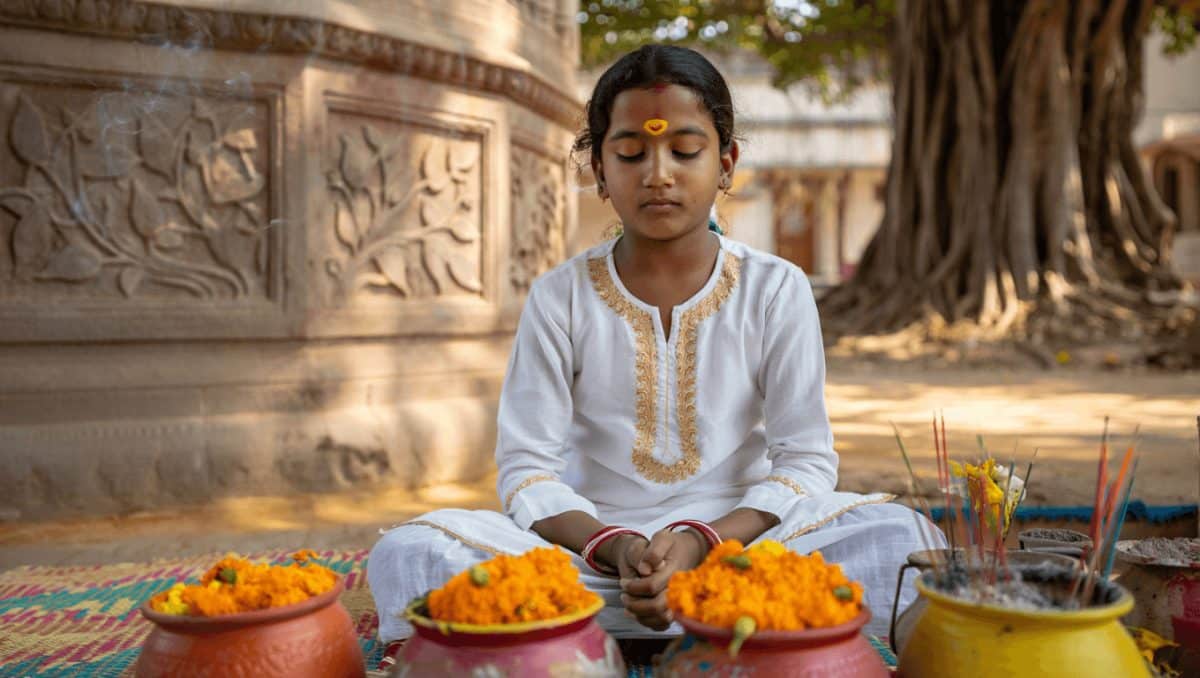
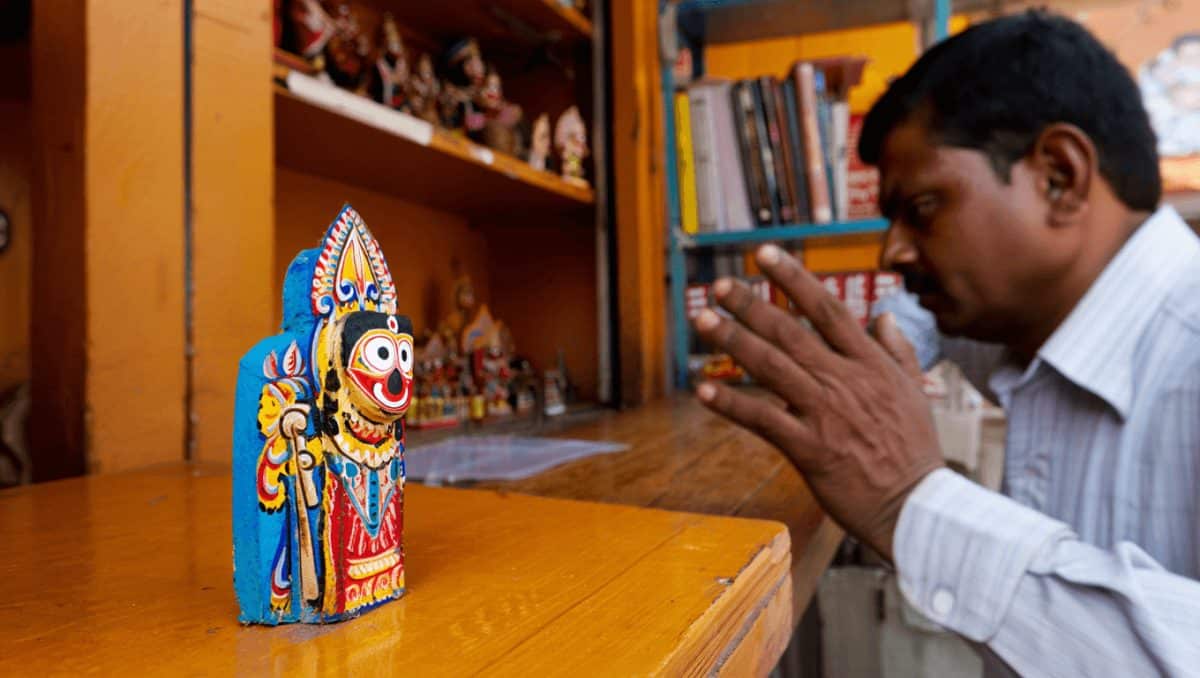
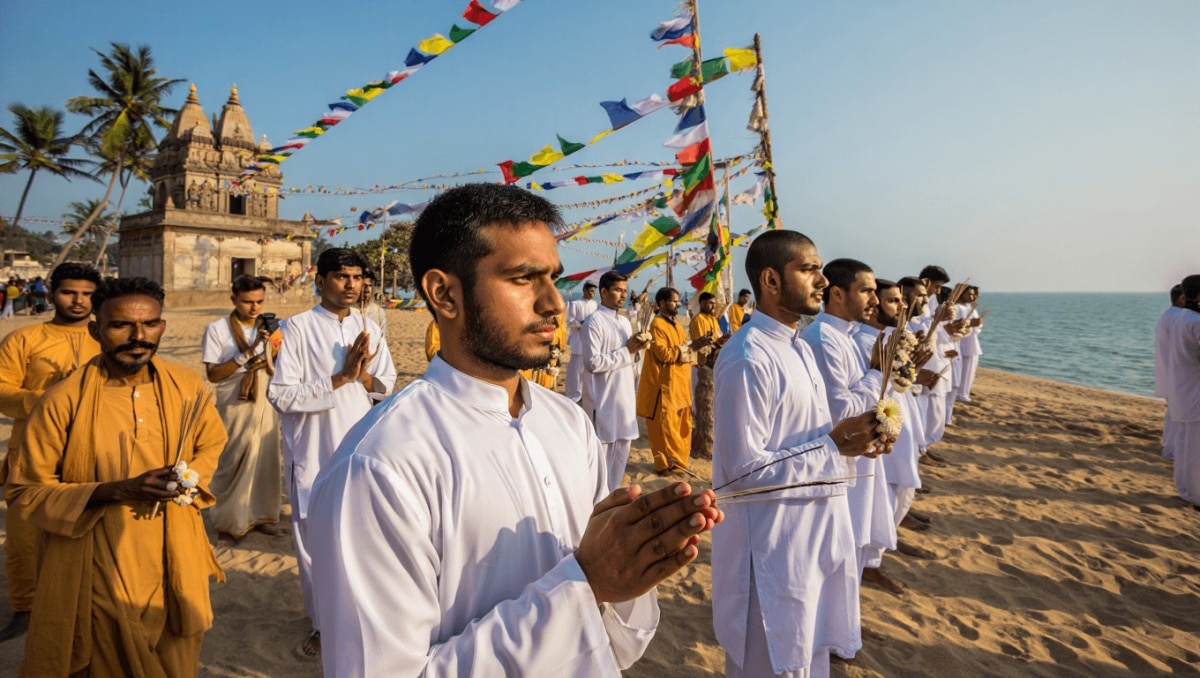
Evening rituals were a surprise highlight: a communal chanting session followed by aarthi, where an oil lamp is rotated in front of images or icons. It was inclusive rather than proselytizing; guests participated at different levels of familiarity and belief. For me, the devotional singing had a measurable effect on mood—what you might call a serotonin lift—and underscored how shared ritual can make a retreat feel less solitary.
Why this matters to travelers and to communities
There are three broad takeaways from the week that are relevant beyond one person’s itinerary.
- Safety and perception influence travel behavior. Real or perceived threats reshape routes, choices of airlines and where visitors stay.
- Wellness tourism remains a growth sector, but experiences are often inseparable from local belief systems; visitors should arrive with curiosity and respect rather than assumptions.
- Shared practices—yoga, chanting, communal meals—can create quick social bonds across wide cultural differences, which in turn can soften misunderstandings and build informal networks of support.
Practical preparations matter. If you plan a similar trip, check current advisories, register with your embassy if applicable, and communicate with the retreat ahead of time about medical or dietary needs. Once there, simple gestures—listening, learning a few local words, accepting an invitation to dinner—go a long way toward a safer, richer stay.
The week closed with a small but meaningful gift from a fellow guest: a pendant linked to the heart chakra and a reminder not to let negativity intrude on one’s work. He was heading east to spend time where Hindu and Buddhist communities were more visible—an observation that summed up the trip’s dual lesson. Travel can be a refuge and a risk; how we navigate that tension shapes what we take home.
Ultimately, the retreat reinforced a modest but reliable truth: practices rooted in centuries of local knowledge offer measurable benefits today, even as geopolitical currents complicate how and where people seek them out. For anyone balancing activism, work or exposure to public life, a week of intentional rest can be both restorative and clarifying—provided it’s planned with awareness of the wider context.