Show summary Hide summary
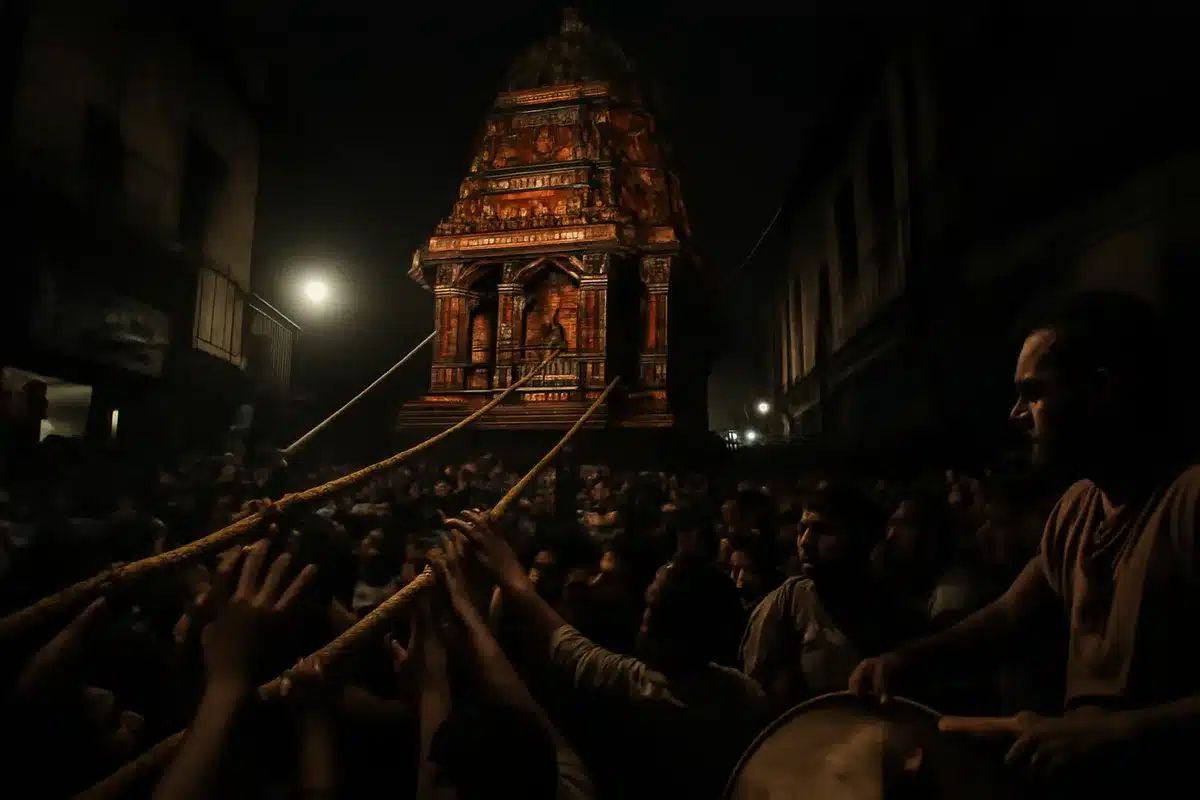
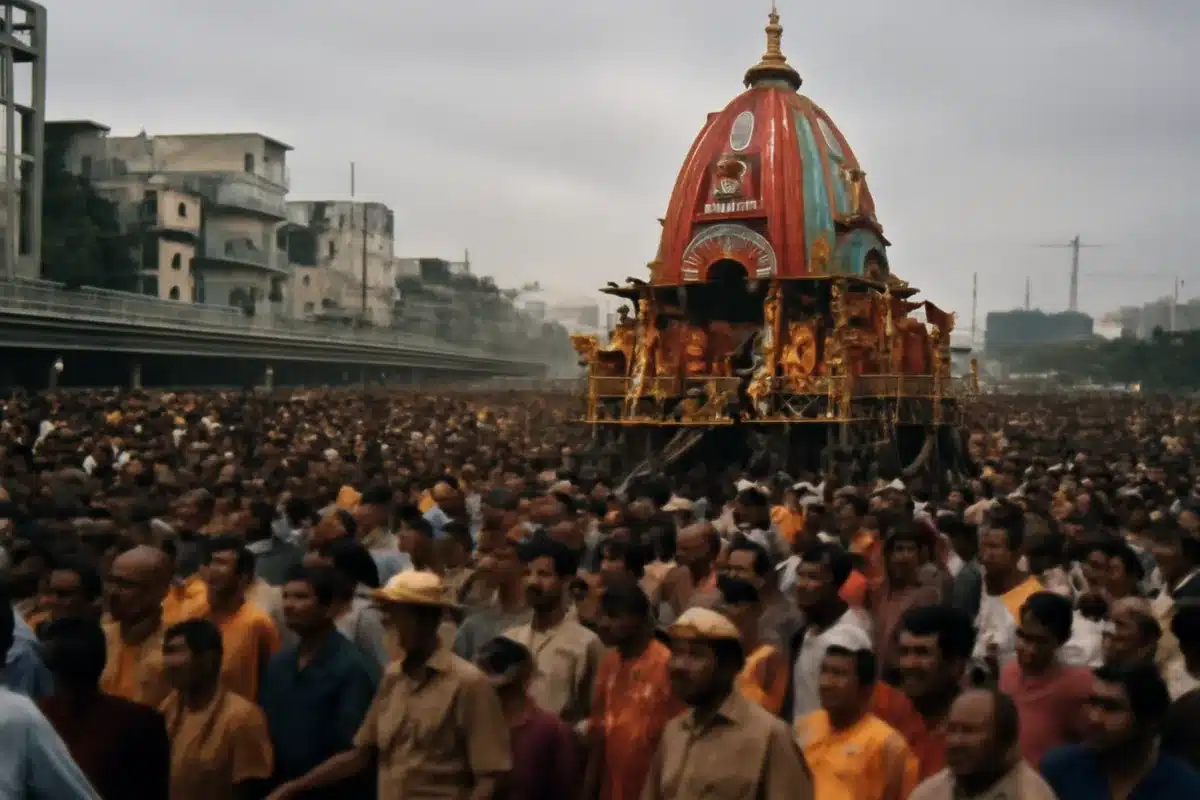
Each year in Puri, a centuries-old ritual reshapes the city: the deity Jagannath is placed on a wooden chariot and pulled along a packed, three-kilometre route. The procession is not only a religious observance but a public moment that reaffirms connection between the temple, its devotees and the urban life that surrounds them.
The festival, commonly known as the Rath Yatra, stages a rare public appearance for a deity normally confined to the sanctum. For many pilgrims and residents, the chariot’s slow progress through crowded streets is a yearly renewal of belonging — a shared act that folds faith into the rhythms of everyday civic space.
Annamalai applauds Bhagwat’s message on Muslim inclusion in India
Navratri in Times Square goes viral: social media splits over Indian celebrations abroad
What happens during the procession
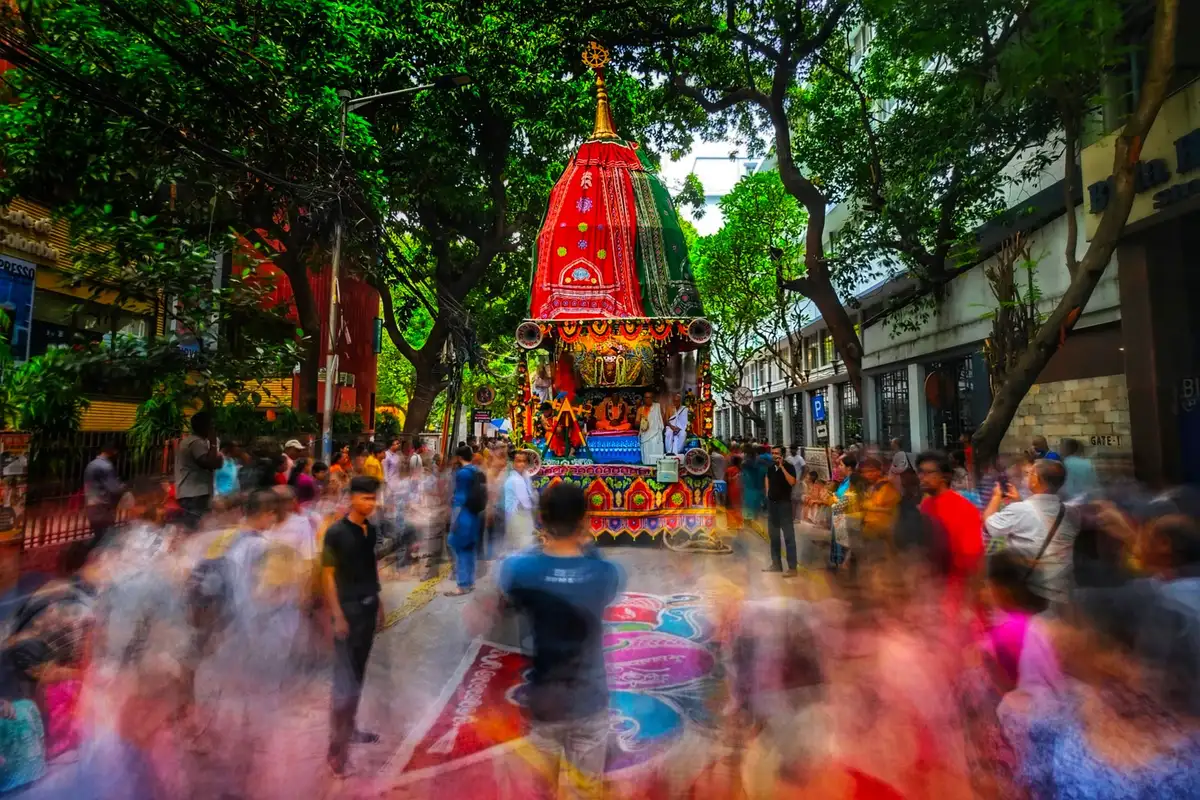
The core of the event is straightforward: three richly decorated wooden chariots carry the idols of Jagannath, his elder brother Balabhadra and their sister Subhadra from the Jagannath Temple to the Gundicha Temple and back. The route covers about three kilometres and draws huge numbers of people who come to witness or help pull the ropes that move the massive vehicles.
- Location: Puri, on the coast of Odisha.
- Distance: Roughly three kilometres between the two temple sites.
- Main figures: Jagannath, Balabhadra and Subhadra — each transported on its own chariot.
- Who participates: Pilgrims, temple servitors, local residents and visitors from across India and abroad.
- Public role: The procession turns a sacred ritual into a municipal event involving traffic, crowd control and local commerce.
The visual impact is immediate: towering, colorful chariots, the crush of the crowd, and the sound of drums. But the spectacle sits atop layers of practical planning — from temporary road closures and sanitation to volunteer coordination and safety measures — that often go unnoticed by onlookers.
Why it matters now
In a country navigating rapid urban growth and changing social dynamics, the Rath Yatra remains a touchstone for continuity. It shows how religious traditions adapt to modern infrastructure and civic management, while still serving as a focal point for communal identity.
There are also clear contemporary stakes: the festival fuels local economies through tourism and trade, places demands on public services during the event, and raises questions about conservation of ritual objects and historic craft skills used to rebuild the chariots each year.
Balancing tradition and modern concerns
Organizers and city authorities increasingly coordinate to manage the festival at scale. Emergency services, municipal workers and volunteers must work in sync to keep the procession moving and the crowd safe. At the same time, artisans who build the chariots face pressure to maintain traditional techniques while meeting modern standards for durability and safety.
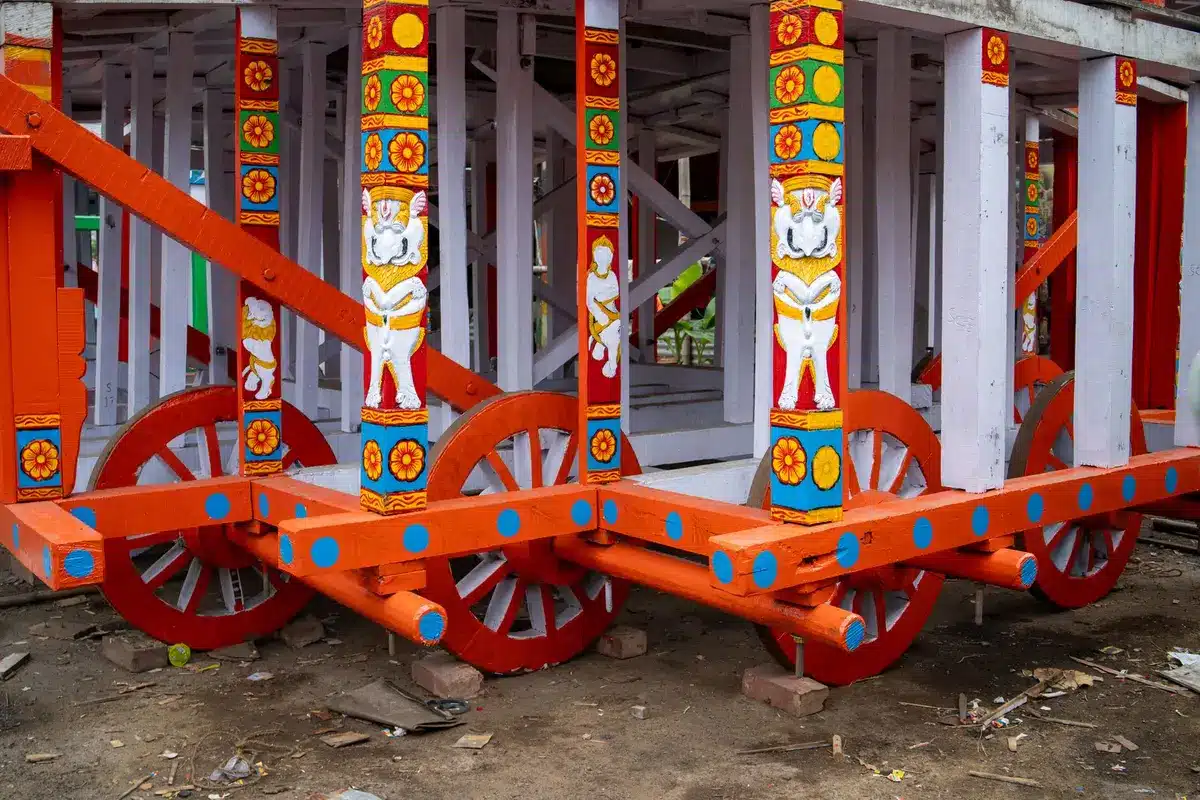
Conversations about heritage protection are also part of the picture. The chariot-building craft and the rituals around the Yatra are recognized components of local intangible culture; preserving them requires attention to both training and funding.
For many pilgrims, the ritual’s meaning remains simple and powerful: the journey of the deity onto the public road is a visible affirmation that the sacred belongs to the community. For city officials and residents, it is a recurring logistical challenge that tests local capacities and resilience.
What to watch for this year
Observers should look beyond the procession itself. How authorities manage crowd flow and public health, how artisans are supported in chariot construction, and how the influx of visitors affects the local economy will all reveal how a long-standing ritual is negotiated in a modern city.
Whether approached as devotion, culture or urban spectacle, the Rath Yatra continues to be a moment when the boundaries between temple and street, private faith and public life, are redrawn — if only for a day.