Show summary Hide summary
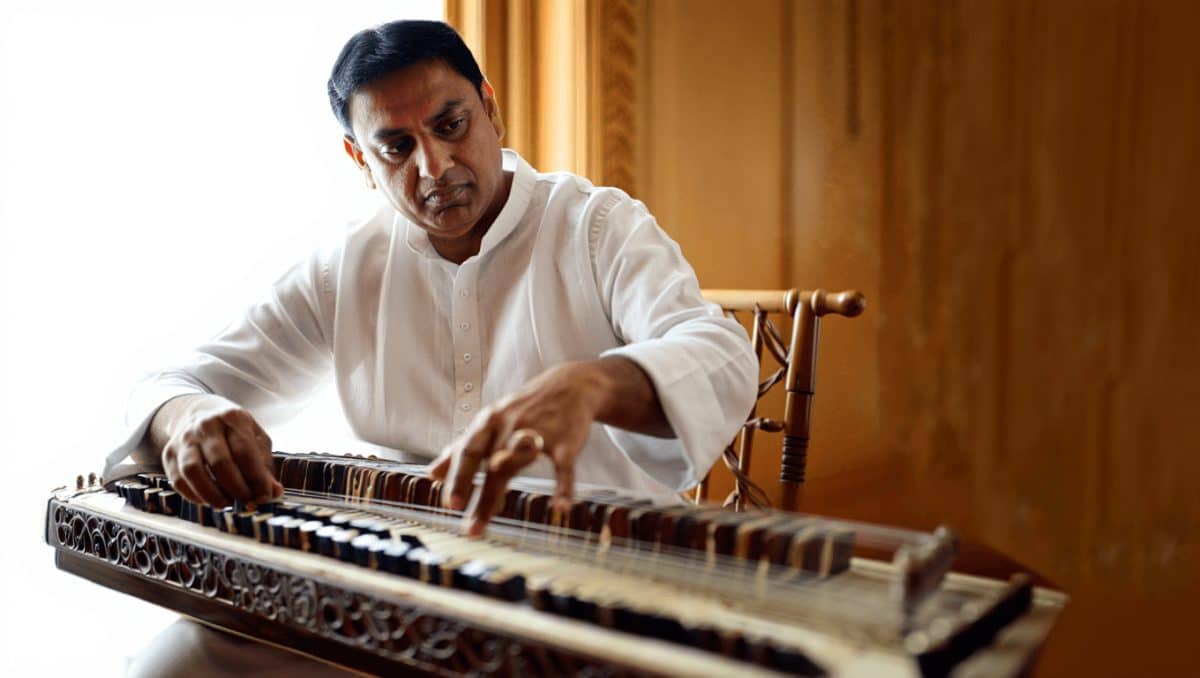
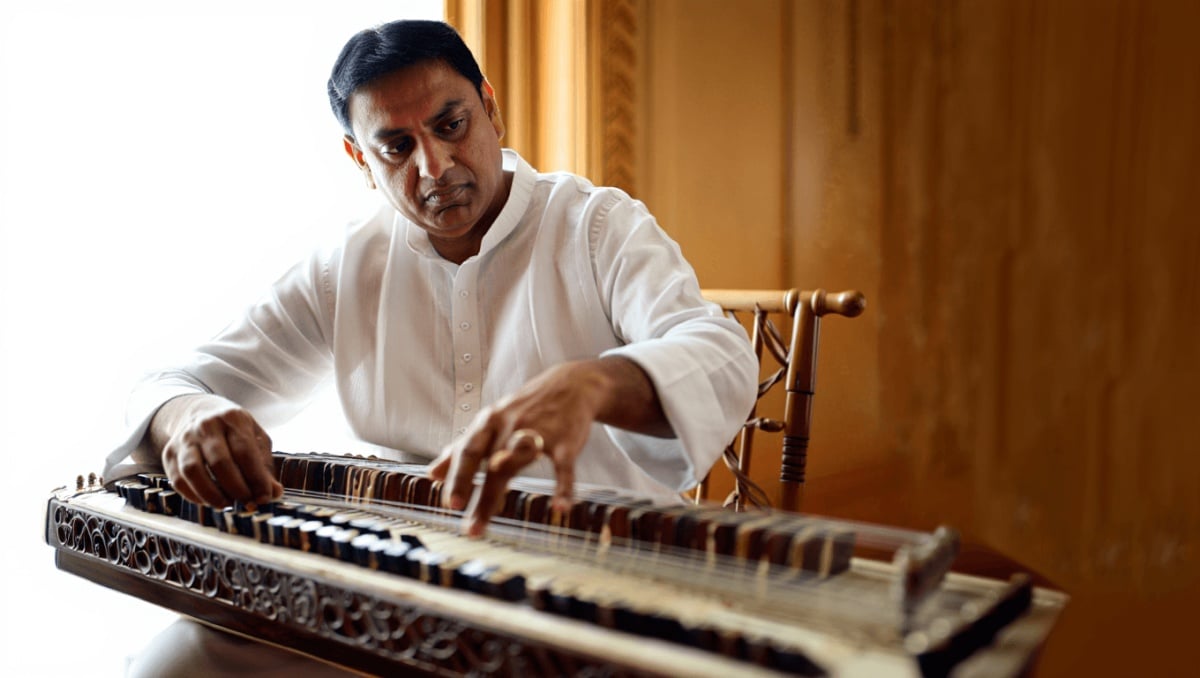
Santoor maestro Tarun Bhattacharya told the Times News Network on July 22, 2026, that music remains India’s most persuasive cultural ambassador, able to communicate across languages and political lines. His comments come as cultural diplomacy and soft-power strategies gain renewed attention worldwide, raising questions about how art can shape perceptions and policy.
Bhattacharya, known for his work on the hammered-string instrument Santoor, framed music not merely as entertainment but as a medium that carries history, values and emotional resonance to global audiences. In his view, a concert or a recorded piece can open doors that formal diplomacy struggles to reach.
Beyond borders: why sound matters now
In an era of geopolitical friction and shrinking face-to-face exchanges, cultural exchange through music offers a low-risk channel for sustained engagement. Live performances, cross-cultural collaborations and streaming releases make Indian classical forms more visible to new listeners, and they often prompt curiosity about wider cultural contexts.
Tarun Bhattacharya: santoor maestro calls music India’s chief cultural envoy
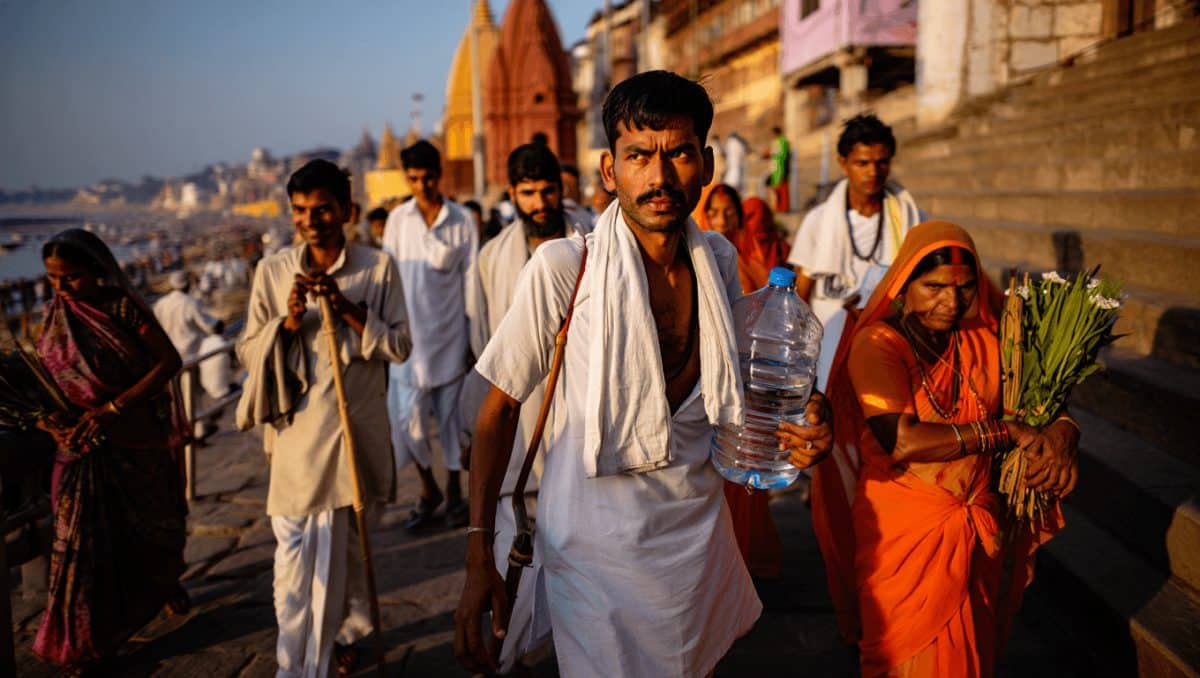
Kashi to Kedarnath costs revealed: how much a Sawan pilgrimage will set you back
Bhattacharya emphasized that a single performance can introduce complex traditions in an accessible way, helping listeners form human connections that statistics or policy papers cannot. That human connection, he said, underpins long-term influence.
Concrete implications for artists and policymakers
Bhattacharya’s remarks point to practical choices for arts institutions and governments: invest in touring programs, support residencies that pair Indian artists with overseas counterparts, and fund archival and educational projects that put traditional music into contemporary conversations.
- Soft power amplification: Music can shape perceptions of a country without overt messaging, building goodwill over time.
- Audience development: Festivals and digital platforms expose younger, international listeners to classical forms.
- Cultural preservation: Recordings, workshops and school programs sustain tradition while adapting it for new contexts.
- Diplomatic outreach: Music-driven events create neutral spaces for exchange during politically tense periods.
Industry stakeholders say the timing matters. With streaming platforms expanding and cultural festivals returning to full schedules, the mechanisms for sharing music internationally are stronger than before. Bhattacharya’s perspective underscores a strategic question: how to convert cultural interest into sustained engagement that benefits artists and communities alike.
For practicing musicians, the message is familiar but urgent—maintain artistic rigor while embracing new formats and partnerships. For cultural policymakers, Bhattacharya’s view suggests prioritizing long-term investment in touring, translation of materials, and educational outreach that builds cross-border understanding.
What to watch next
Expect more conversations about how culture fits into national strategy: funding announcements tied to international cultural programs, new bilateral arts initiatives, and curated festival lineups that foreground traditional Indian instruments. How these moves play out will determine whether music’s ambassadorial role remains symbolic or becomes a measurable component of India’s global presence.
Whatever the outcome, Bhattacharya’s point is clear: when diplomacy stalls, a melody can still travel. That quality makes music an asset worth cultivating in the current global moment.