
Show summary Hide summary
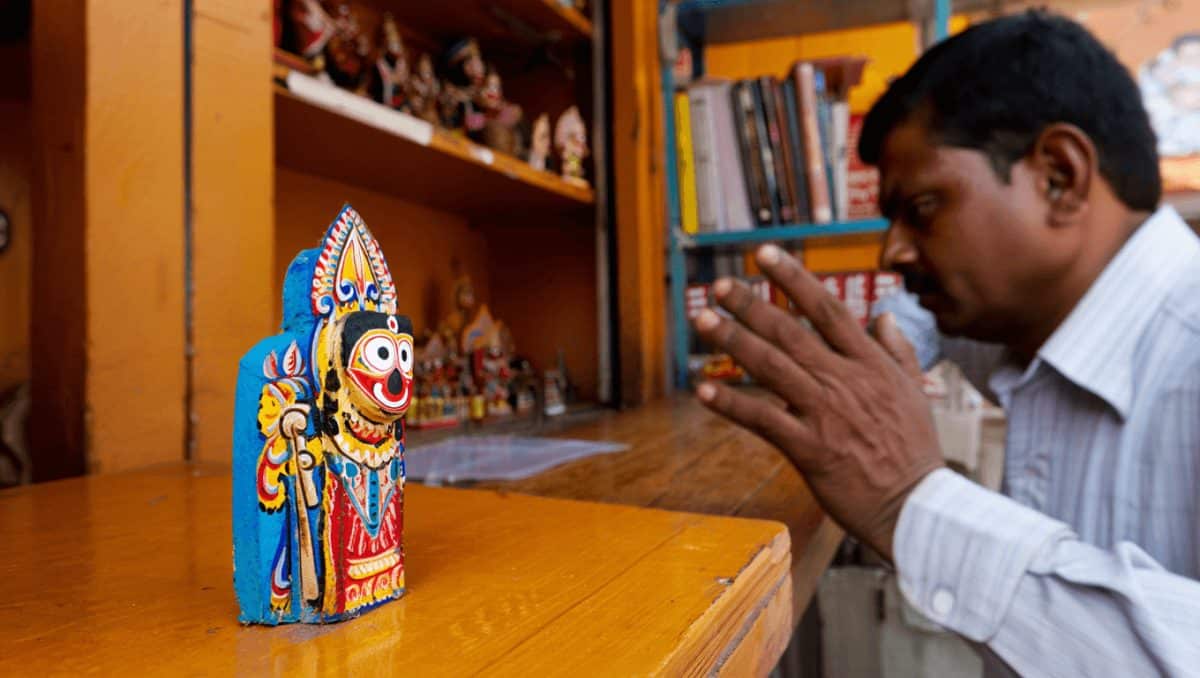
An Indian‑American homeowner says he removed Hindu religious items, including a Ganesha statue, from his Dallas‑area house before listing it for sale — a decision that has reignited arguments over cultural visibility and bias in Texas neighborhoods. The episode lands amid wider debate about immigration, the local housing market and how sellers present homes to potential buyers.
Ravi Vavilala, who became a U.S. citizen after arriving on an H-1B visa about two decades ago, told Bloomberg he cleared out personal possessions and rented a separate place while his Celina property was on the market. He purchased the home from a developer in late 2023 for roughly $895,000, and said he has since reduced the asking price below that figure after receiving little interest.
What happened, and why it matters now
Vavilala says his home drew few visitors and that feedback from his agent suggested the property needed to look more neutral to appeal to a wider pool of buyers. Confronting a job loss — he was laid off this spring from an IT role while undergoing treatment for advanced kidney cancer — he put the house up for sale but struggled to attract offers.
Shah Rukh Khan used the name Abinav to ease in-law worries: Gauri adopted Ayesha during nikaah
Javed Akhtar hails Hindu festivals as cultural glue: throwback of atheist celebrating resurfaces
- Location: Celina, in the Dallas–Fort Worth region.
- Purchase price: About $895,000 in late 2023.
- Asking price movement: Initially listed above $1 million; later reduced to below the purchase price.
- Personal factors: Health issues and a recent layoff from an 80‑person team in his company.
- Seller action: Removed religious icons and other personal items to create a more generic presentation.
Staging a house to remove personalized or culturally specific items is a common sales strategy. But in this case the choice reopened sensitive debates in North Texas, where conversations about Indian immigrants, technology workers and cultural change have been politically charged in recent months.
Reactions split between pragmatism and concern
Commentary online ranged widely. Some readers framed the move as routine real‑estate advice — depersonalize a home to make it easier for buyers to imagine themselves living there. Others interpreted the decision as evidence that homeowners from minority communities feel pressured to minimize visible expressions of their faith or heritage.
Local politics have already featured vocal discussions about H‑1B workers and demographic change, and this incident has been folded into that larger narrative. Advocates for the Indian‑American community say such episodes underscore persistent tensions; critics of that view argue the seller simply followed conventional staging recommendations.
Context for buyers and sellers
Real‑estate agents commonly recommend neutral decor, but the line between neutral staging and erasing cultural identity can be fraught when placed against a backdrop of social friction. For sellers, the case highlights the financial and personal pressures that can shape decisions in a slow market: price cuts, temporary relocation, and questions about how much personal identity to display in a home for sale.
For communities and local officials, the episode is a reminder that housing markets and cultural debates intersect. Whether viewed as marketing or as a sign of exclusion, the outcome has tangible consequences for an individual seller already coping with health and employment setbacks.
The story remains part of a wider conversation in North Texas about immigration, economic shifts and neighborhood change — issues that are likely to continue influencing how residents present themselves and their homes in the months ahead.