Show summary Hide summary
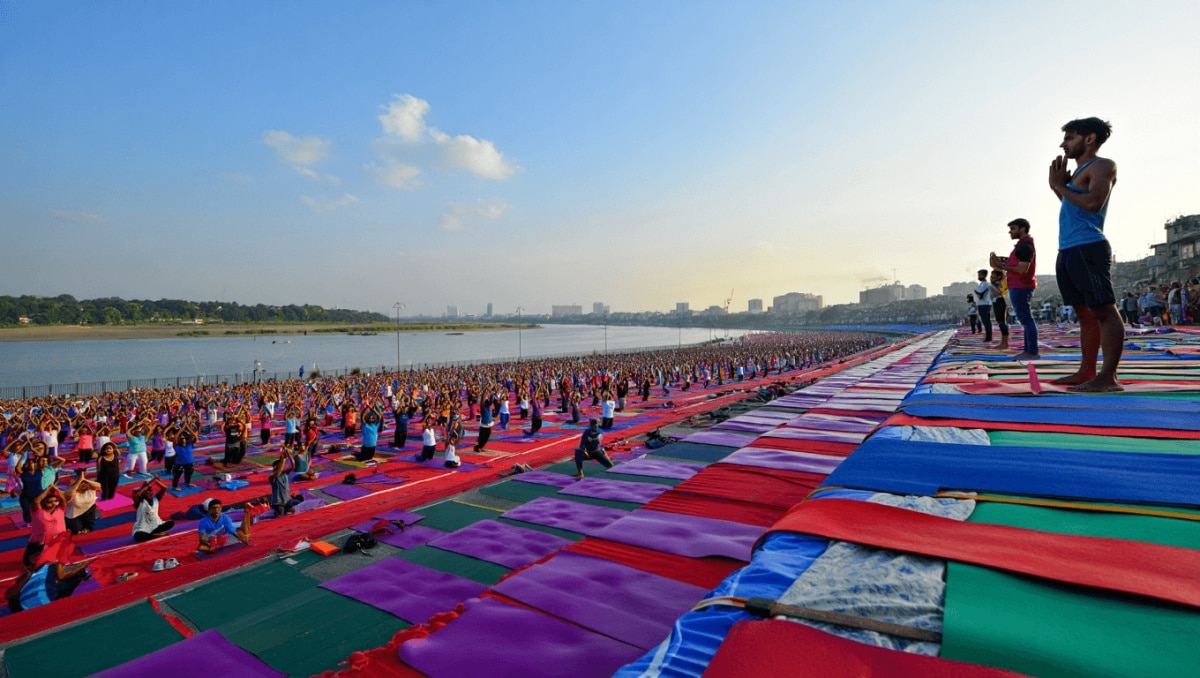
Kolkata’s mornings now arrive with a quiet rhythm: mats unfurling on arterial promenades and riverbanks, trainers calling out breath counts as the city wakes. From mass gatherings on Red Road to small, steady groups along the Hooghly ghat, yoga has become a visible part of urban life — shaping public space, daily routines and even local commerce.
More than a workout — a public habit
What used to be an occasional scene on International Yoga Day now plays out year-round. Residents and visitors converge for dawn sessions that mix classical asanas with brisk, modern sequences designed for busy schedules. The practice has moved beyond fitness studios into open spaces where the city can see and judge it.
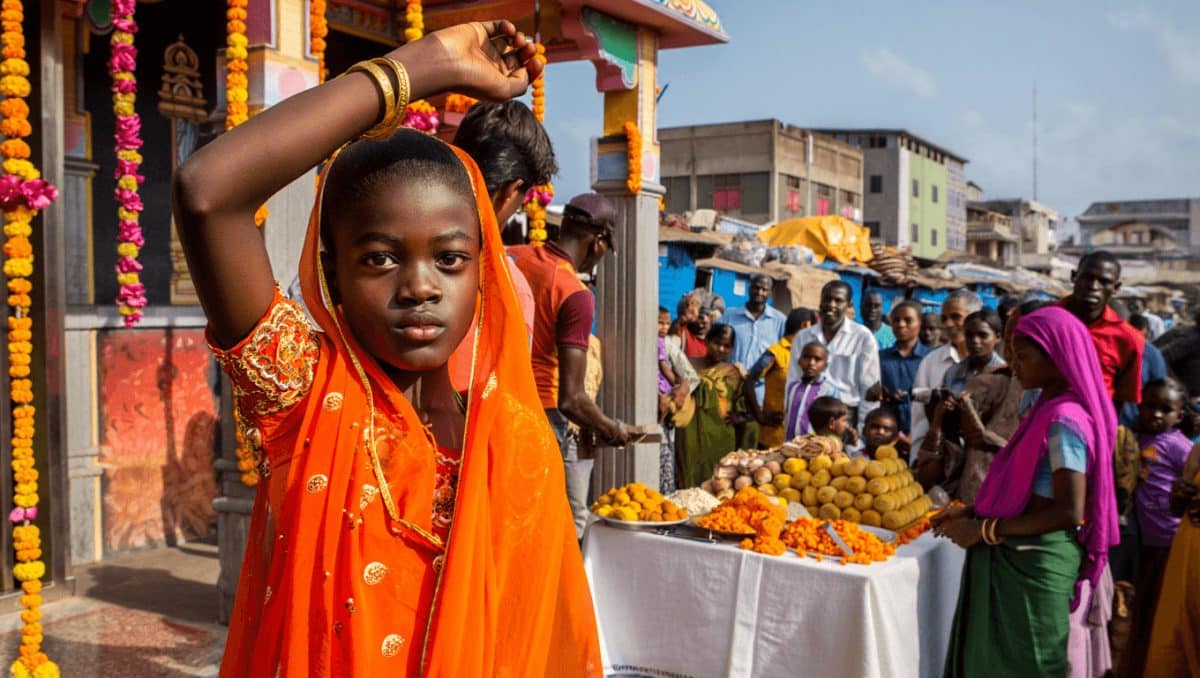
Hinduism gains ground in Africa: new communities reshape culture and commerce
Shah Rukh Khan used the name Abinav to ease in-law worries: Gauri adopted Ayesha during nikaah
That visibility matters: when people practice together in public, it changes how space is used and who feels welcome there. Morning yoga draws people across generations — office employees on their way to work, retirees lingering over conversation, and young parents finding a low-cost option for exercise.
Where it happens
- Red Road — Known for large, organized events, this wide avenue accommodates hundreds of participants during major drives and weekend gatherings.
- Hooghly ghat — The riverfront provides quieter sessions, especially at sunrise when the water and breeze create a meditative backdrop.
- Prinsep Ghat and other riverside promenades — Popular for both free and donation-based classes, often run by local instructors and community groups.
- Urban parks and lakes (Rabindra Sarobar, Maidan) — Favored by those who prefer green shade to the river breeze; classes range from gentle stretching to vigorous vinyasa.
Practical ripple effects
Public yoga affects more than individual wellness. City officials and event organizers must coordinate permits, crowd control and sanitation, creating a new layer of civic logistics. Small businesses — tea stalls, sports shops, informal vendors — report steadier morning trade near regular session spots. At the same time, residents occasionally raise concerns about noise, early starts and the strain on popular public spaces.
The balance between welcoming communal activity and managing public order is unfolding in real time. Municipal authorities have started to formalize schedules for large events and to designate zones where group activity is encouraged, which helps reduce conflicts and maintain green areas.
Who leads the trend
Local instructors and nonprofit groups are the movement’s backbone. Many adopt inclusive approaches: pay-what-you-can classes, sessions tailored for seniors, and brief “office-friendly” sequences for those with limited time. These formats make yoga a practical routine rather than an occasional indulgence.
Tourists and out-of-towners join too, drawn by the scenic backdrops and the city’s cultural hospitality. For visitors, a riverside session becomes a different kind of sightseeing — one that connects them to daily Kolkata life rather than a staged attraction.
What to expect if you join
If you plan to attend a public session, consider these practical points:
- Arrive early — popular spots fill up fast, especially on weekends.
- Carry a mat and a light towel; many classes are free but donations are appreciated.
- Respect local etiquette: remove shoes at the edge, keep voice levels low, and follow the instructor’s guidance.
- Check weather and seasonal schedules; riverfront breezes can be dramatic in monsoon months.
Why this matters now
The timing is significant. As cities worldwide rethink public health and open-air programming after recent years of pandemic disruption, Kolkata’s yoga scene shows how a traditional practice can be repurposed for contemporary civic life. It supports mental and physical well-being, activates underused public spaces, and generates modest economic opportunities — all without major infrastructure changes.
At the same time, the spread of public yoga raises questions about equity and access: who gets to claim these spaces and how they are managed. Those debates are shaping local policy decisions now, with implications for how the city plans events and preserves communal places for future generations.
For Kolkata, the yoga mat has become more than a tool for personal fitness. It is a portable claim on the city’s mornings — a quiet but visible sign of how urban life adapts, connects and negotiates shared ground.