Show summary Hide summary
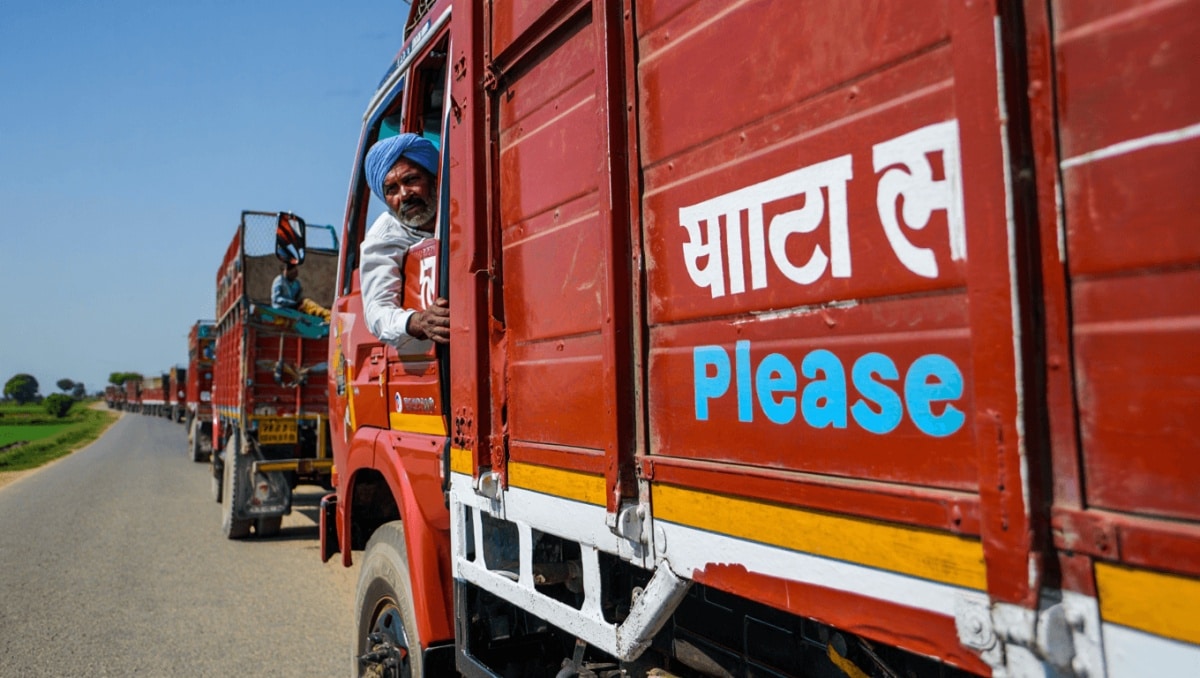
Horn OK Please painted on the backs of lorries is one of India’s most recognizable roadside phrases — a succinct command that has guided overtaking maneuvers, reflected roadside aesthetics and stirred debate about noise and safety. As truck fleets modernize and regulators press for quieter roads, this small slogan has become a marker of broader change on Indian highways.
There is no single agreed origin for the phrase. Many drivers and older motorists treat it as a practical signal: an invitation for the following vehicle to sound its horn before attempting to pass. But historians of vernacular signage and truckers’ own recollections point to several overlapping explanations rather than a single founding moment.
- Functional signal: A straightforward road instruction to indicate overtaking intent and avoid sudden maneuvers.
- Cultural shorthand: Part of a broader visual language of truck decoration — slogans, gods’ names and lucky symbols that identify an owner or region.
- Commercial and mechanical reasons: Early limitations in braking and visibility meant drivers relied on auditory cues; painted messages helped coordinate on narrow, busy roads.
- Urban myth and abbreviation theories: Various folk explanations attempt to decode “OK,” but none have definitive documentary proof.
Hinduism gains ground in Africa: new communities reshape culture and commerce
Shah Rukh Khan used the name Abinav to ease in-law worries: Gauri adopted Ayesha during nikaah
Why the slogan has lasted
Beyond utility, the phrase has survived because it sits at the intersection of function and identity. For many truck drivers and small fleet owners, the painted rear is a canvas that expresses pride, regional identity and the practical need to communicate on congested roads.
That mix—practical instruction plus cultural expression—helps explain why the message persisted long after vehicle technologies and traffic environments changed. Even as highways widened and communication tools improved, the phrase endured as habit and as a recognizable visual cue to other road users.
Recent shifts: safety, noise and modernization
In recent years policymakers and road-safety advocates have emphasized the downsides of indiscriminate honking and the risks of encouraging noise-based signalling. Campaigns to reduce horn use, stricter enforcement of traffic rules and a push for quieter urban environments have placed such painted prompts under fresh scrutiny.
At the same time, fleets are increasingly adopting GPS, telematics and driver-education programs that lessen dependence on informal signals. Older, artisanal painting traditions have begun to yield to digitally produced stickers and standardized rear markings required by some regulators.
| Aspect | Snapshot |
|---|---|
| Common reading | A request for following drivers to honk before overtaking |
| Cultural role | Part of truck art and owner identity |
| Contemporary pressure | Noise-reduction campaigns and modern fleet tech |
| Practical implication | Encourages auditory communication that can both help and hinder safety |
What drivers and commuters should know
For everyday road users the takeaway is twofold: painted slogans still appear widely and can signal local driving habits, but relying on horns as the primary safety mechanism is increasingly discouraged. Modern safe-driving guidance stresses lane discipline, adequate spacing and clear signalling over sound-based cues.
Meanwhile, the phrase remains an emblem — a small, visible trace of how India’s roads have been governed by custom as much as by rules. As vehicles, regulations and public attitudes evolve, those painted words offer a quick lesson in how everyday practices adapt: some persist as cultural markers, others fade as technology and policy take hold.
In short, the story of Horn OK Please is not just about an instruction on a truck’s rear; it’s a lens on changing priorities in transport — from improvisation and identity toward safety, regulation and modern fleet management.