The city of Varanasi and neighbouring districts will host a three-day cultural and scholarly festival from June 27–29 aimed at reviving the songs, ideas and communal message of Saint Kabir. Organisers say the event mixes live performance, folk traditions and academic sessions to make **Kabir’s teachings** accessible to younger audiences and to reinforce the region’s living heritage.
The Nirgun Tridhara Bhakti Utsav will span Magahar, Ghazipur and Varanasi, bringing together saints, researchers, historians and folk performers from across India. The programme combines public processions and concerts with a two-day national seminar at Lahartara, the site long associated with Kabir’s life.
Key events and highlights
Hinduism gains ground in Africa: new communities reshape culture and commerce
Shah Rukh Khan used the name Abinav to ease in-law worries: Gauri adopted Ayesha during nikaah
- June 27 — Magahar (Sant Kabir Academy): The festival opens with a ceremonial procession and an evening of folk and Bhakti performances featuring artists such as Kaluram Bamaniya, the Baby Sisodia Banjaran Sisters, Devendra Das and members of the Tana-Bana Group.
- June 28 — Ghazipur (Kabir Math, Belsadi): A cultural programme presents state troupes and solo performers inspired by the **Nirgun Bhakti** tradition; invited guests include Padma Shri Bherusingh Chauhan.
- June 28–29 — Varanasi (Lahartara): A national seminar titled “Kabir’s Legacy: From Kashi to Magahar” will host scholars and litterateurs, capped by a Nirgun cultural evening featuring Padma Shri Prahlad Singh Tipanya and other noted interpreters of Kabir’s verses.
The mix of formats is intentional: live music and storytelling aim to draw general audiences, while the seminar provides academic context on Kabir’s literary contribution and social message. Organisers say this dual approach seeks to show how a 15th-century poet remains relevant to contemporary conversations about equality and communal harmony.
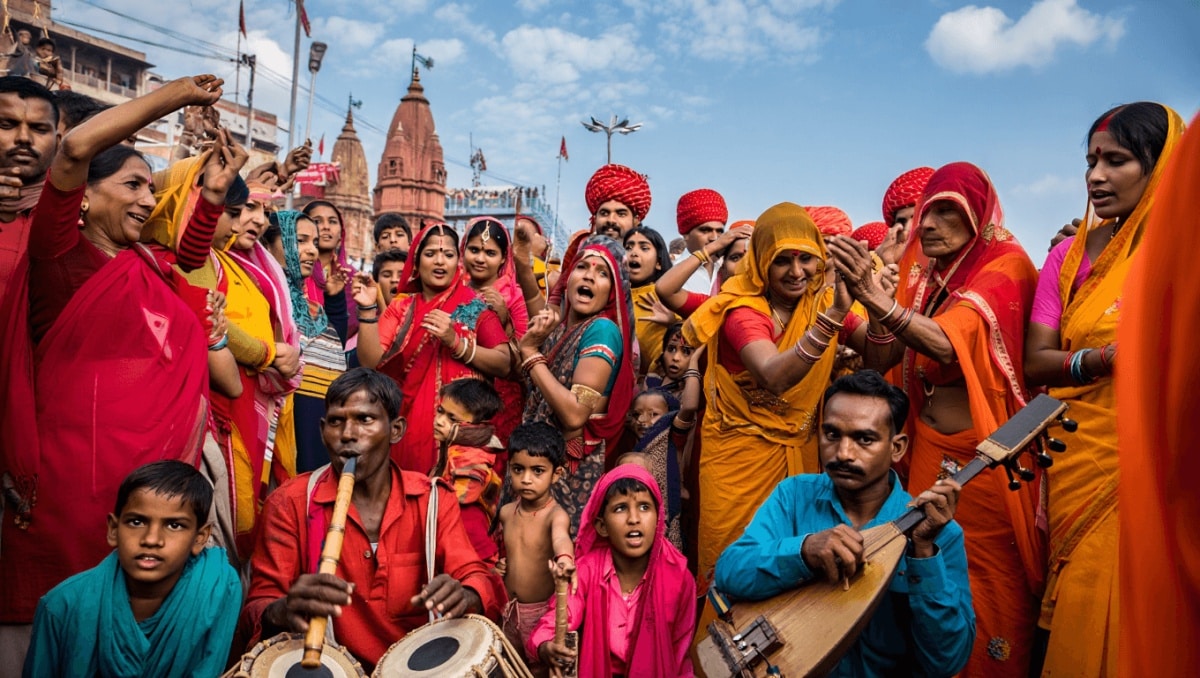
Artists scheduled to perform include Om Prakash Patel, Dinesh Kumar Jangde, Preeti Bamaniya and Jai Pandey, alongside regional ensembles. Performances will emphasize oral traditions, folk instrumentation and vernacular renditions of Kabir’s dohas and songs, rather than staged theatrical productions.
Why it matters now
With rapid cultural change and shrinking spaces for traditional arts, local officials describe the festival as part of a broader effort to preserve intangible heritage while making it meaningful for young people. Tourism and Culture Minister Jayveer Singh said the state government supports such platforms to sustain saint traditions, folk art forms and collective cultural memory.
The national seminar at Lahartara will feature papers and panel discussions from historians and literature scholars, examining Kabir’s philosophical roots, his influence on Bhakti movements, and the continued social relevance of his critiques of caste and religious orthodoxy.
For audiences, organisers promise an evening of devotional music on June 29 that blends scholarship and performance: the Nirgun Cultural Evening will assemble senior practitioners and rising artists to present Kabir’s verses in musical settings intended for contemporary listeners.
Beyond the concerts and talks, the festival aims to strengthen networks between scholars, performers and local institutions—an outcome organisers argue is essential to keep folk repertoires alive and to pass them on to future generations.
The three-day programme underscores a wider cultural policy objective: fostering awareness of regional saint traditions while positioning them as active components of India’s living cultural landscape.