Show summary Hide summary
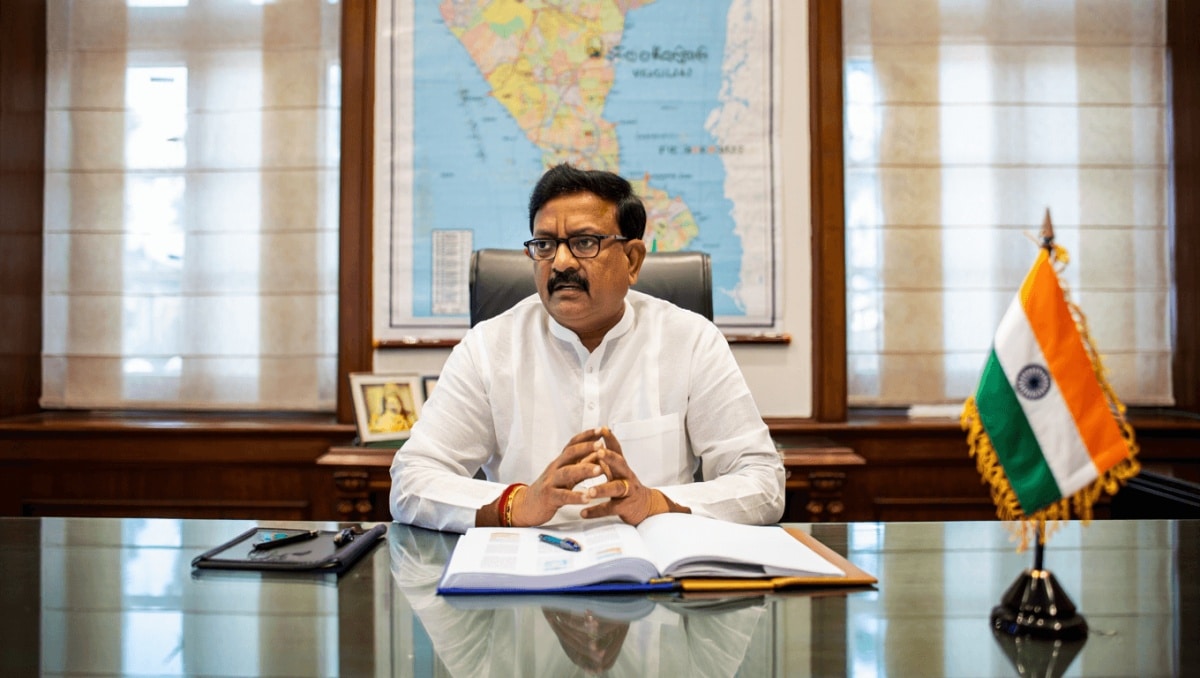
This week in Kolkata, the state government moved to tighten rules around the naming of streets and public places, declaring that names linked to Mughal or Pathan rulers will not be retained. Chief Minister Suvendu Adhikari also announced a new panel, led by religious leader Swami Pradiptananda Maharaj (also known as Kartik Maharaj), to review existing and proposed renaming requests — a decision that revives a heated debate about history, identity and urban signage.
The announcement came during a session in the state assembly where the chief minister addressed objections over a recent renaming that sparked confusion over which historical figure a road commemorated. Adhikari said he had learned after the fact that the signboard he had praised on social media referred to a different Suhrawardy than critics had assumed, and he moved quickly to disavow the name’s continued use.
The specific case at the center of the controversy involves a central Kolkata thoroughfare that had been relabeled after what officials later described as a mistaken identity. The administration has signaled it will not allow names perceived as connected to foreign dynasties or to figures critics associate with communal violence to remain on civic maps — a stance likely to affect other plaques and signboards across the city.
Hinduism gains ground in Africa: new communities reshape culture and commerce
Shah Rukh Khan used the name Abinav to ease in-law worries: Gauri adopted Ayesha during nikaah
What the new committee will do
The panel will be chaired by Swami Pradiptananda Maharaj, a Padma Shri recipient. The chief minister said the committee will reassess street names and make recommendations, and that it will start work within a week. A senior municipal official, however, later indicated there was limited scope to reverse a recent municipal decision that had already replaced Suhrawardy Avenue with Gopal Mukherjee Road.
Responsibilities outlined by the government for the review include:
- Verification — confirming the historical identities behind existing street names;
- Evaluation — assessing whether a name aligns with local heritage and public sentiment;
- Recommendation — proposing replacements, prioritizing figures connected to Indian culture and history;
- Consultation — holding talks with cultural bodies such as the Sanatan Sanskriti Sansad and municipal stakeholders.
Swami Pradiptananda told reporters he welcomed the assignment, describing the review as an opportunity to deepen public knowledge of local history and culture. He said the committee will look for streets currently bearing names of “foreign figures and Mughals” who, in the panel’s view, did not contribute meaningfully to the city’s heritage.
Why this matters now
Street names shape everyday life: they affect addresses, wayfinding apps, official documents and the way residents relate to public memory. A policy that systematically reconsiders dozens or hundreds of names could require updates to municipal records, maps and postal systems, and trigger legal or administrative challenges from civic groups and political parties.
There are immediate practical questions. Will businesses and residents on affected roads need new address plates? How quickly can municipal mapping services and delivery platforms reflect any changes? Officials have not provided a timeline for implementing replacements beyond the committee’s initial seven-day convening.
Politically, the move is part of a broader debate over who is honored in public spaces. In the assembly, the chief minister contrasted figures he called patriotic Indians — naming Dr APJ Abdul Kalam as an example — with those he said should be reconsidered. Critics of the decision warn such reviews can be politicized; supporters argue they correct historical oversights.
Possible outcomes and implications
Depending on the committee’s findings and the municipal corporation’s actions, consequences could include:
- City signage revisions and temporary confusion for commuters and delivery services;
- Administrative costs to update legal and postal records;
- Public consultations or objections from interest groups and historians;
- A renewed focus on local heritage education in schools and community programs.
Historians note an additional layer of complexity: names that appear to honor one person may in fact commemorate another family member or an earlier historical figure. In this case, researchers point out that a road associated in debate with Huseyn Shaheed Suhrawardy — a polarizing political figure in Bengal’s history — may actually have been named for his uncle, Lt. Col. Sir Hassan Suhrawardy, a prominent early 20th-century academic and surgeon.
For residents and institutions, the coming weeks will be a test of how quickly municipal systems and political processes can reconcile administrative accuracy, historical research and public sentiment. With the committee due to meet, Kolkata is poised for renewed public discussion about memory, identity and the markers that line its streets.