Show summary Hide summary
Céline Malraux is retracing her grandfather’s footsteps across India to shed light on a largely forgotten episode in mid-20th-century cultural diplomacy. Her 2026 journey revisits the path André Malraux took in 1958, probing why a prominent French intellectual once championed Indian art as equal to the classics of Greece and Rome—and why that argument still matters today.
Unearthing a quieter strand of Indo‑French ties
For decades André Malraux was a prominent Western voice arguing for the artistic and civilizational stature of India. That stance influenced cultural debates in France and beyond, and it intersected with high-level diplomacy: his 1958 visit was hosted by Nehru and combined visits to ancient monuments with encounters focused on India’s post‑independence ambitions.
Hinduism gains ground in Africa: new communities reshape culture and commerce
Shah Rukh Khan used the name Abinav to ease in-law worries: Gauri adopted Ayesha during nikaah
Today, many in India no longer recall Malraux’s role; his name has receded from public memory. Céline’s project aims to pull that episode back into view, not as nostalgia, but as a way to reassess how cultural respect and intellectual engagement shaped early postcolonial relationships between New Delhi and Paris.
What she’s doing and what she hopes to learn
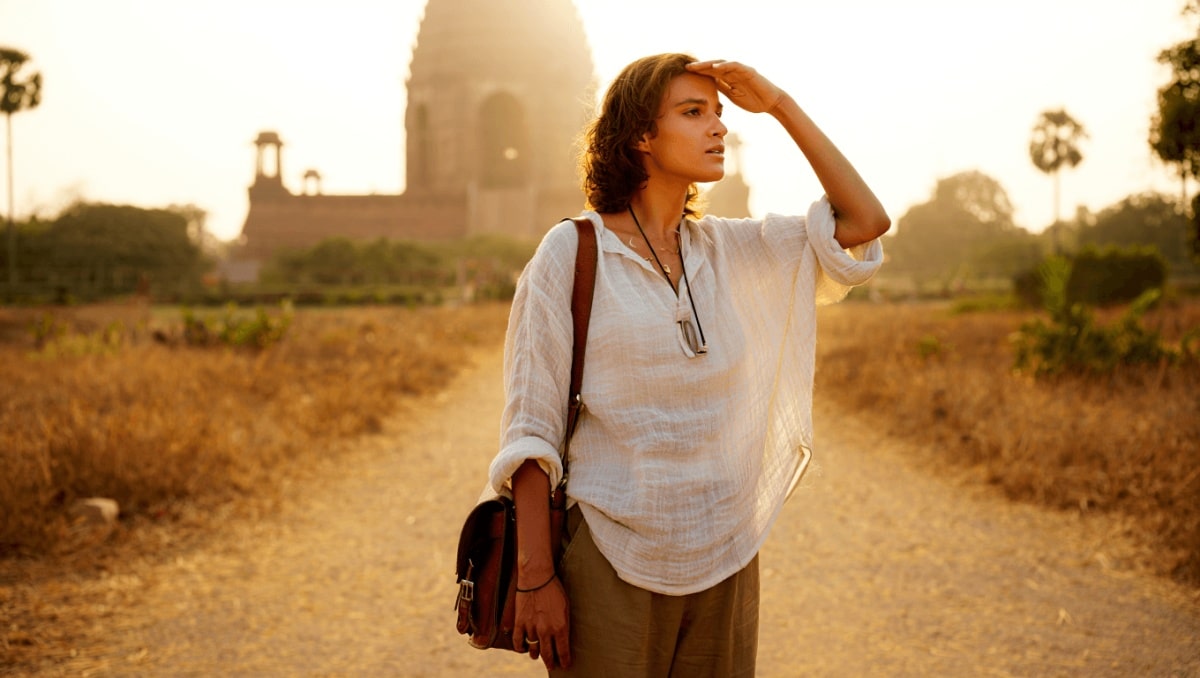
Céline Malraux is following the same itinerary her grandfather took nearly seven decades ago. Her goal is twofold: to map the places and conversations that influenced André Malraux’s thinking, and to understand why he placed Indian civilization on equal footing with the classical Western canon.
This is an inquiry into perception as much as history—how a prominent European writer viewed Indian heritage at a moment when many former colonies were asserting their cultural identity, and how those views intersected with the politics of the day.
- Historical context: Re-examines a 1958 visit that blended cultural study with diplomatic exchange.
- Cultural reassessment: Questions how Western intellectuals framed non‑Western civilizations in the postcolonial era.
- Contemporary relevance: Suggests ways this episode could inform today’s conversations about cultural parity and international heritage policy.
- Personal motive: A family effort to understand an influential ancestor’s intellectual journey, and its public impact.
Why this matters now
At a time when cultural diplomacy is again at the center of international relations, revisiting episodes like Malraux’s visit offers tangible lessons. It reminds policymakers, curators and the public that perceptions of heritage shape political ties and funding priorities—then and now.
For readers, the story reframes a familiar bilateral relationship. France and India maintain strong diplomatic and cultural links today, but the roots of mutual recognition were often intellectual and personal rather than merely strategic. Recovering that history may change how contemporary cultural exchanges are understood and designed.
There is also a broader editorial point: how memory is made and lost. The fact that a once‑prominent advocate for Indian art can fade from collective recollection raises questions about which voices are preserved in public histories and why.
As Céline moves between sites her grandfather described—looking at monuments, archives and the remaining traces of conversations with political figures—her work is less about mythmaking and more about re-evaluating a crossroads of art, diplomacy and memory. The journey is ongoing, and its findings could prompt renewed interest in a chapter of Indo‑French relations that shaped how modern cultural respect was articulated across continents.