Show summary Hide summary
Across airports, workplaces and social feeds, many Indians find themselves judged by a single viral clip or an old stereotype rather than by a lifetime of work and culture. That shift matters now because fleeting moments amplified online are shaping immigration debates, workplace bias and how entire communities are perceived worldwide.
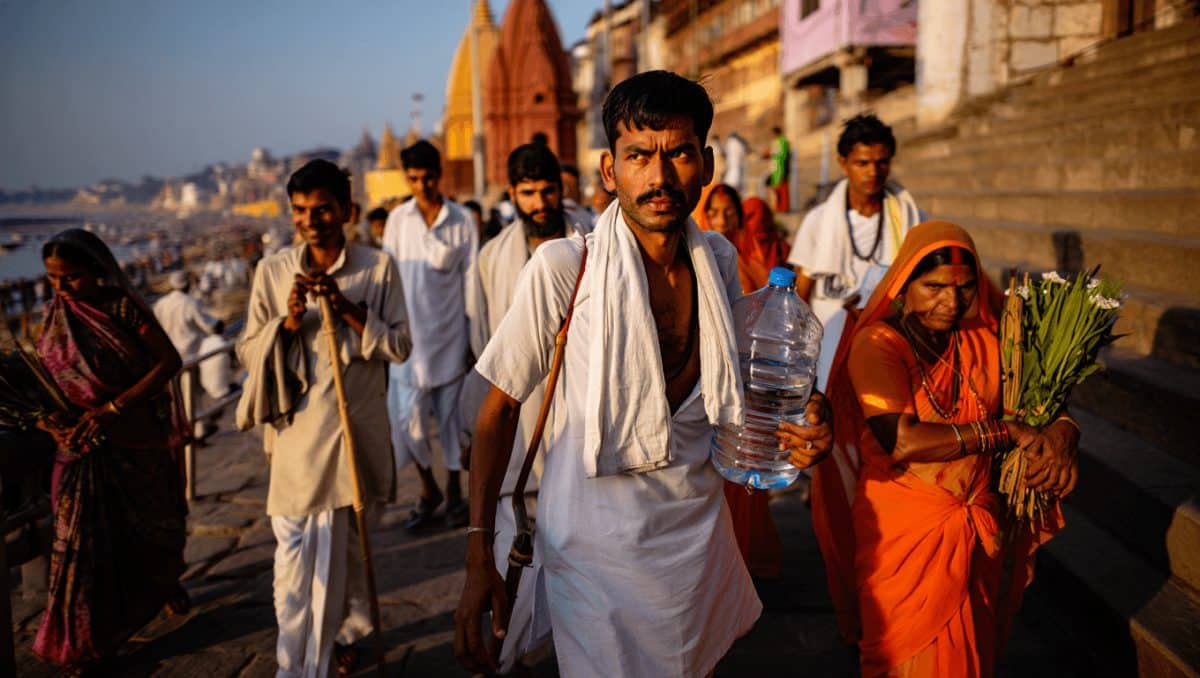
In public conversations, a handful of incidents repeatedly get magnified until they define a people. A jubilant scene at an airport can be framed as poor public behavior; a celebration of a film star might be labelled irrational fanaticism; a crowded procession is portrayed as a threat. These snapshots are then replayed, shared and used as shorthand for identity.
At the same time, Indians are highly visible in global systems that rarely attract the same moral scrutiny: they run hospitals, write software, teach in classrooms, staff essential services and lead research labs. That contrast—the selective attention to a few negative images while overlooking sustained contributions—has real consequences for social cohesion and policy.
Kashi to Kedarnath costs revealed: how much a Sawan pilgrimage will set you back
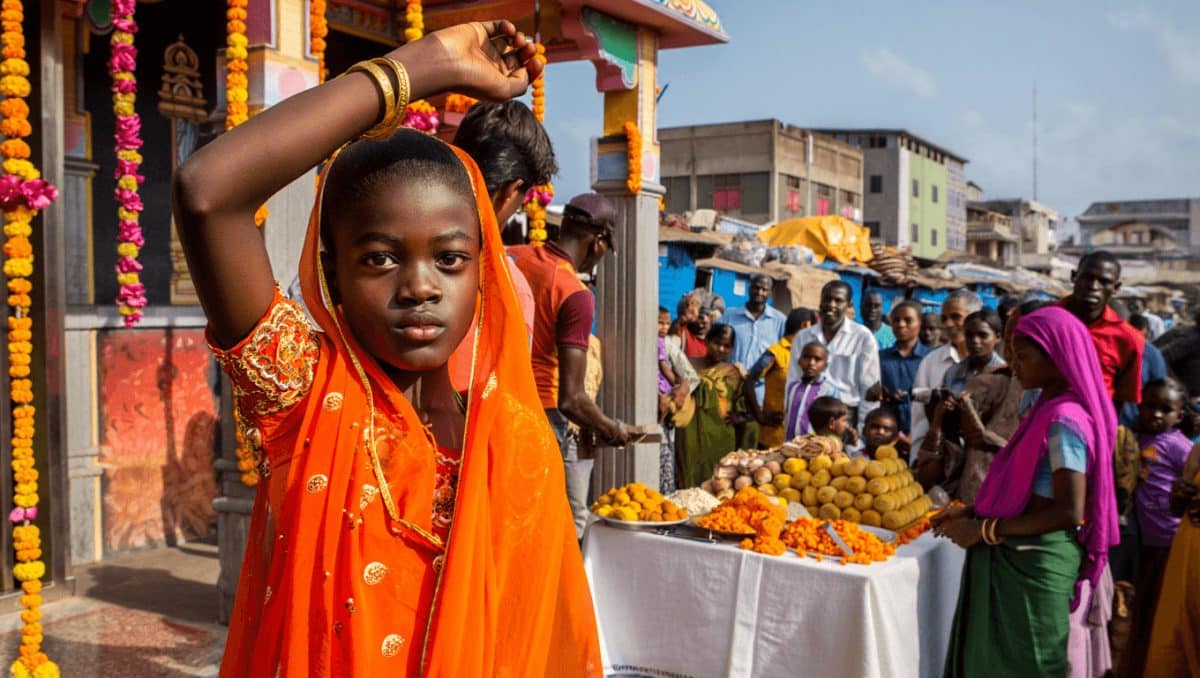
Hinduism gains ground in Africa: new communities reshape culture and commerce
How narratives harden
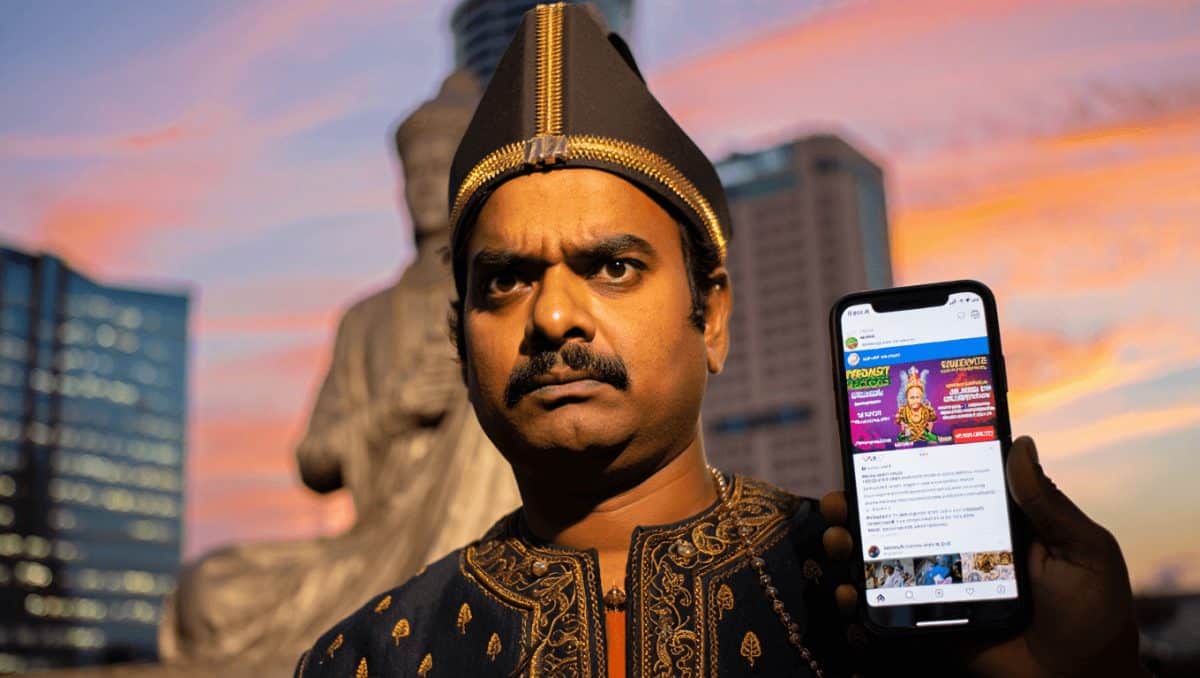
Social media and 24-hour news cycles reward the dramatic. A viral clip, stripped of context, acquires outsized weight. Algorithms push it further, and the rush to react often leaves little room for nuance. What should be an isolated misstep becomes evidence in a broader argument about a nation or its people.
This dynamic also influences political rhetoric. When policymakers and pundits rely on sensational examples rather than data, they risk normalizing prejudices that affect employment, immigration and everyday interactions.
Misconceptions versus everyday reality
- Stereotype: Indians lack civic sense. Reality: Public behaviour varies everywhere; many Indians abroad follow rules, contribute to local community life and volunteer in civic causes.
- Stereotype: Indians “steal jobs.” Reality: Migrant workers, students and professionals often fill shortages, create businesses and pay taxes that support local economies.
- Stereotype: Indian culture is monolithic or backward. Reality: India’s traditions include long histories of science, philosophy, art and pluralism that continue to influence the world.
- Stereotype: Indian gatherings are inherently risky. Reality: Public celebrations are community events with their own rules and rhythms; most pass peacefully and enrich civic life.
These contrasts are not just semantic. They shape hiring decisions, schoolyard attitudes, and how neighbours interact. They also affect mental health: being persistently framed as an outsider or a problem erodes trust and belonging.
What’s at stake
When a community’s identity is reduced to caricature, policy and public opinion can follow. Visa rules, workplace diversity programs and policing practices all respond to prevailing public narratives. That means the cost of a distorted portrayal can be measured in livelihoods and freedoms, not just headlines.
There is also a cultural cost. When people are asked—explicitly or implicitly—to downplay language, food or ritual to fit in, societies lose the benefits of pluralism: new ideas, cuisines, perspectives and forms of social resilience.
At the same time, honest self-reflection matters. Every society has shortcomings; acknowledging lapses in behaviour, infrastructure or governance is part of progress. The problem arises when one-sided storytelling turns individual failings into collective condemnation.
Ways forward
Addressing the imbalance requires action by multiple actors:
- Media outlets should show context, avoid stereotyping groups based on single incidents, and prioritize verification over speed.
- Community leaders can foster public-facing examples of civic engagement that counterbalance negative clips.
- Employers and institutions should rely on data and fair policies rather than popular sentiment when making decisions about hiring and integration.
Finally, individuals on every side need to look critically at the assumptions they carry. Before treating an isolated moment as proof of a people’s character, it’s worth asking what viewpoints are being amplified and why.
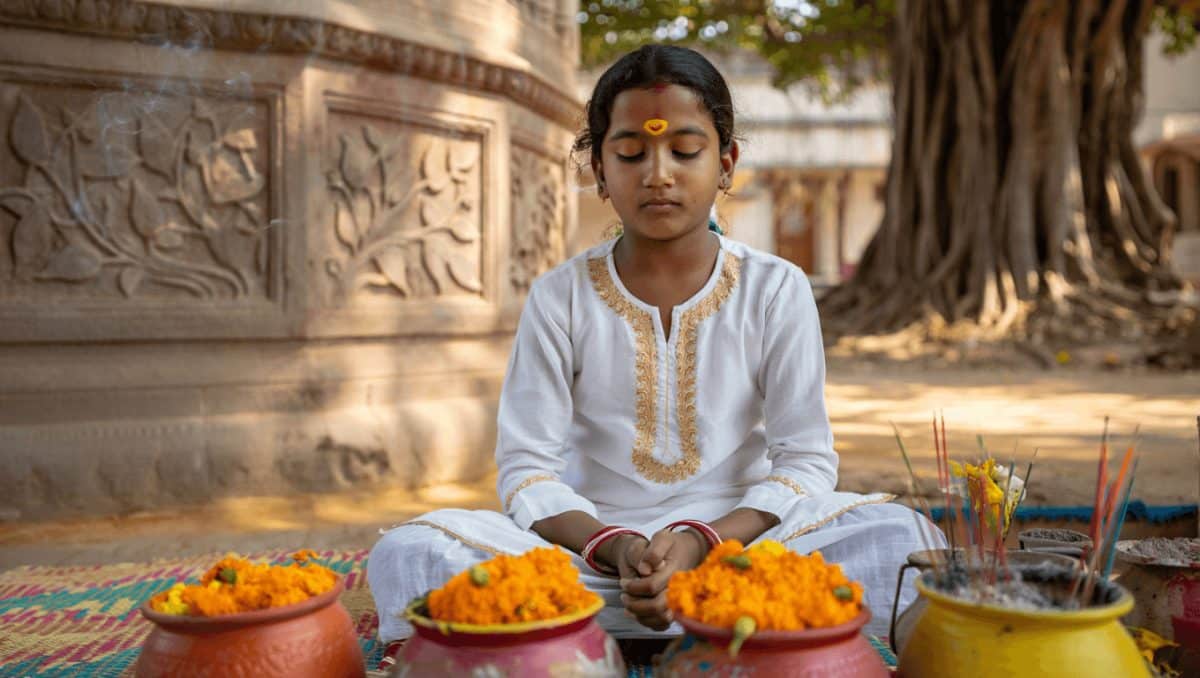
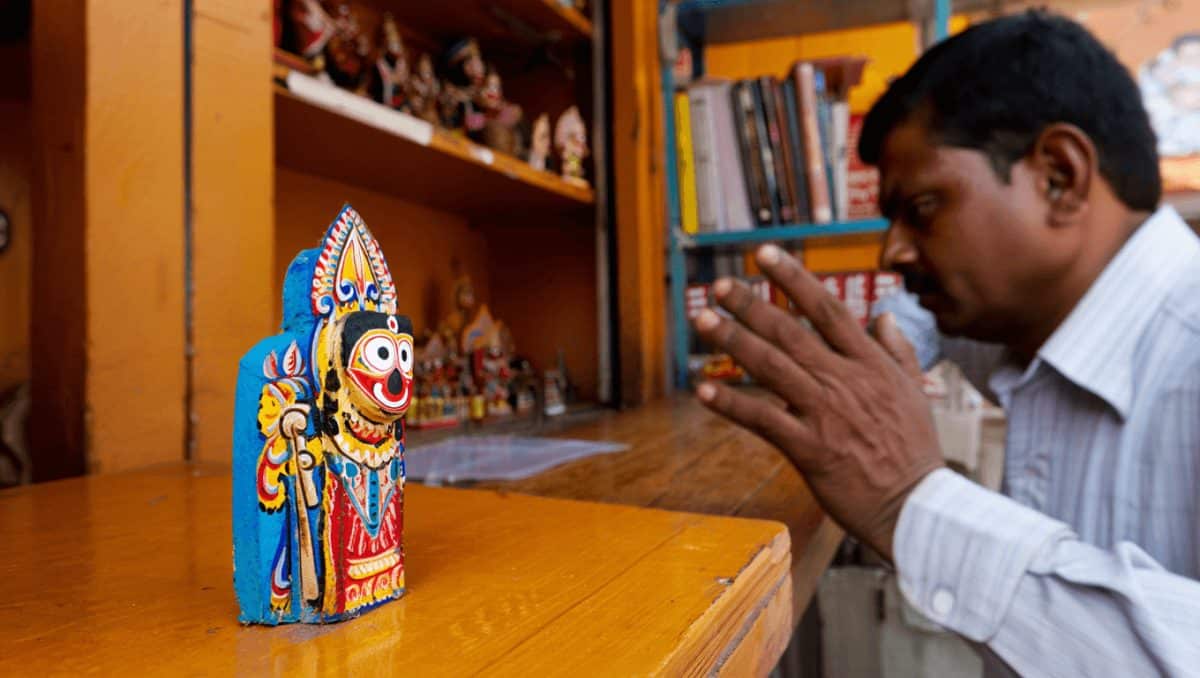
For many Indians, pride in language, festivals and family customs is not a refusal to adapt but a means of carrying identity into new contexts. That heritage includes scientific achievement, philosophical plurality and cultural creativity—elements that deserve to be weighed alongside any criticism.
Reducing a billion people to a handful of stereotypes denies complexity and erodes mutual respect. If global societies want cohesion rather than division, they will have to move beyond viral moments and assess communities by their full record: their contributions, challenges and capacity to change.