Show summary Hide summary
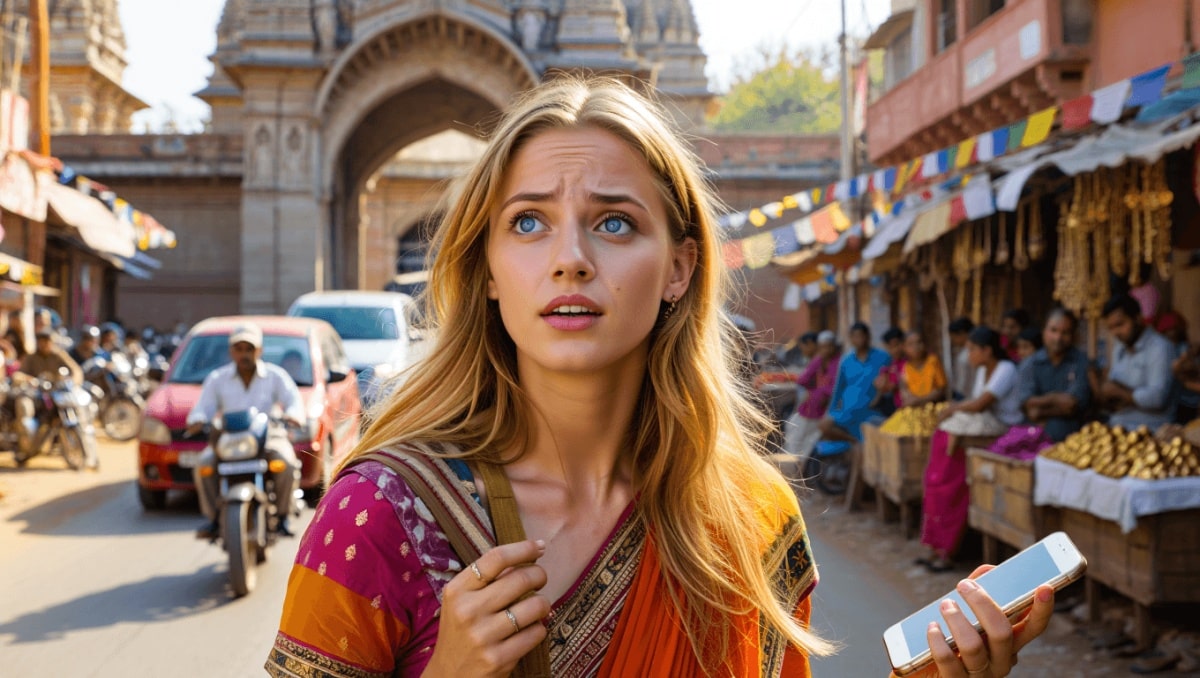
A Russian national who has recently made India her home says everyday life here keeps delivering fresh surprises — from the way people move around cities to what counts as routine medical or construction practice. Her list of a dozen small shocks underscores how quickly local norms can feel unfamiliar, and why understanding them matters for visitors and new residents today.
Everyday sights that feel unexpected to a newcomer
Some observations are visual: sights that a local might barely register but that stand out sharply to someone raised elsewhere. Others touch deeper cultural rhythms — priorities, conveniences and tolerances that shape daily life.
- Street dogs: Packs of free-roaming dogs are a common urban presence; for the visitor this means adjusting routes and expectations about public spaces.
- Bare feet in clinics: Seeing patients without footwear in medical settings surprised her, signaling different everyday hygiene habits and cultural comfort levels.
- Bamboo scaffolding: Temporary construction often uses bamboo rather than metal scaffolding, combining local know-how with a visual that looks fragile to foreigners.
- Constant noise: A background of horns, announcements and vocal markets creates a soundscape far busier than what many Europeans expect.
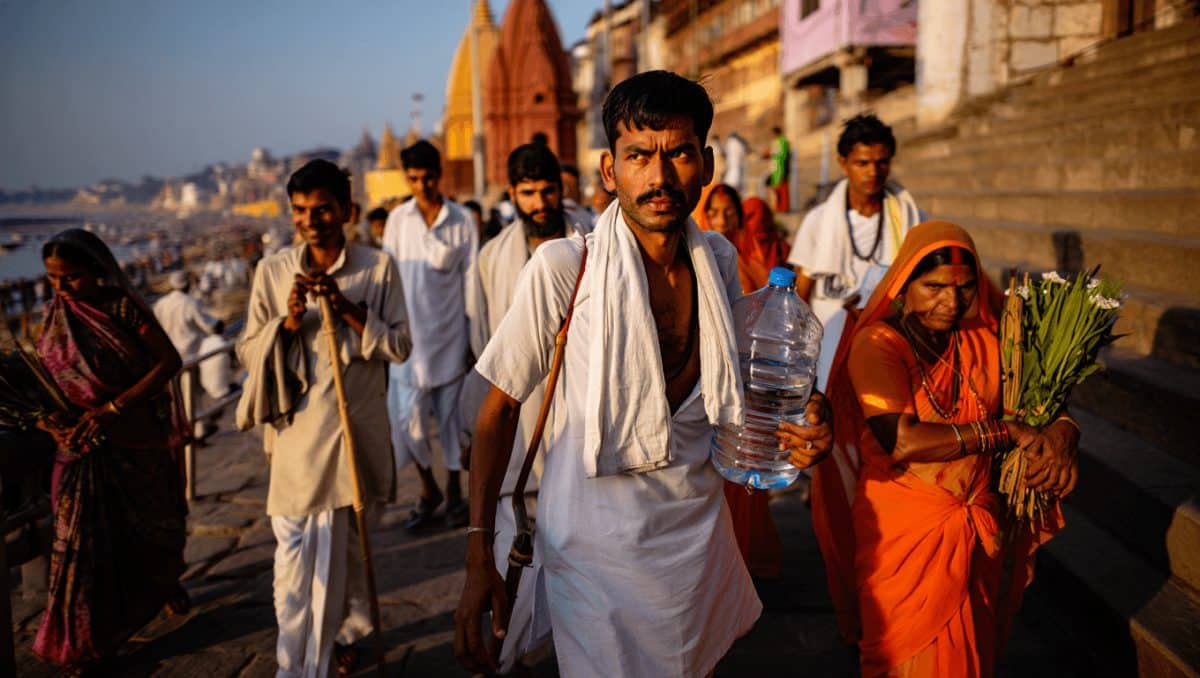
- Temples on every corner: Religious structures are woven into urban life, influencing traffic flows, shop layouts and neighborhood identities.
- Passion for gold: Gold jewelry and displays are more than adornment — they’re visible stores of value and cultural expression.
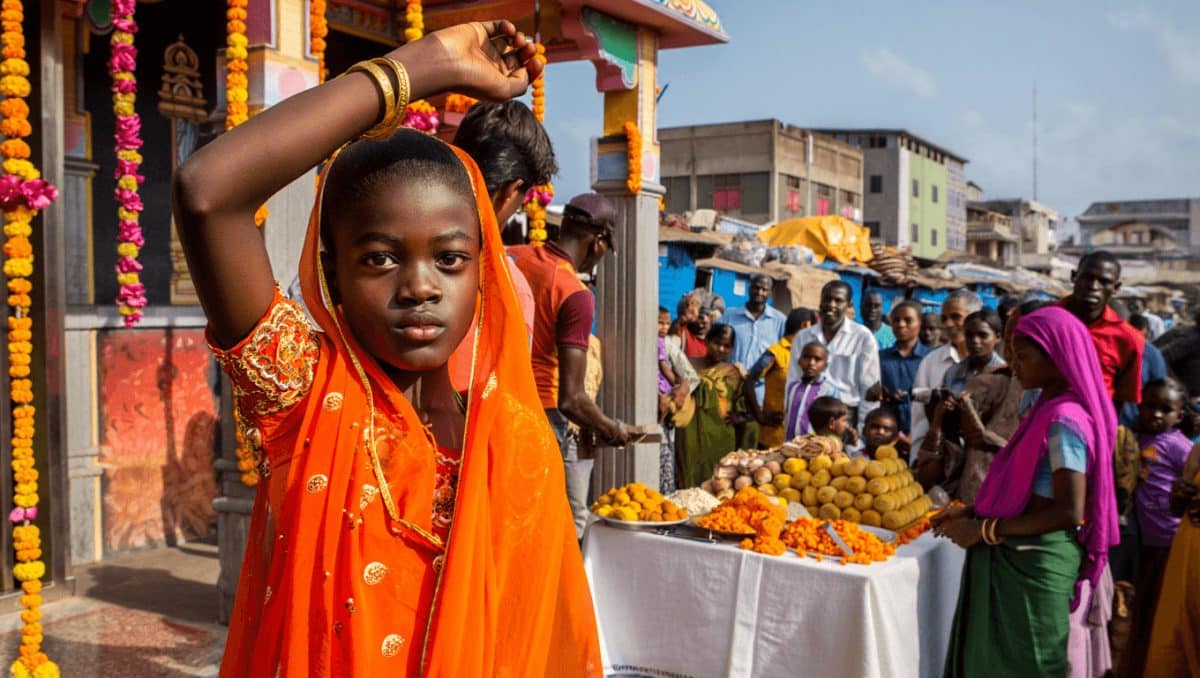
- Colorful clothing: The ubiquity of vibrant textiles in daily wear contrasts with more muted wardrobes elsewhere, changing the look of streets and public events.
- Dense living: Multi-generational households and tight apartment layouts make privacy a different concept compared with sparse Western housing.
- Flexible timings: Shops and services follow fluid hours; official schedules often coexist with informal routines, requiring patience and adaptability.
- Informal economies: Street vendors and small-scale services operate at a scale that supports neighborhoods but complicates regulation and urban planning.
- Traffic as choreography: The chaotic rhythm of vehicles, two-wheelers and pedestrians appears disorderly at first but functions through informal rules and mutual negotiation.
- Hospitality mixed with curiosity: Encounters with neighbors and strangers blend warmth, direct questions and a level of personal interest that can feel intrusive or welcoming, depending on expectations.
Kashi to Kedarnath costs revealed: how much a Sawan pilgrimage will set you back
Hinduism gains ground in Africa: new communities reshape culture and commerce
What this means for travelers and newcomers
These details are more than curiosities: they influence safety, comfort and how quickly someone can settle in. For example, navigating the transport “choreography” affects commute times and risk; understanding local worship patterns can prevent accidental disruptions; and recognizing informal economies helps when looking for goods and services.
Practical adaptation is often straightforward — learning peak market hours, choosing footwear suited to both clinics and sidewalks, or scouting quieter neighborhoods — but it requires attention and an openness to different norms.
Perspectives and context
Her reactions illustrate a broader truth about migration and travel: what residents consider normal is learned, not innate. Observers from countries with different infrastructures and social customs will notice different friction points.
Urban planners, service providers and tourism officials can benefit from these outsider perspectives. Small adjustments — clearer signage, predictable public hours, or information campaigns about local practices — reduce friction for newcomers and improve everyday life for everyone.
Ultimately, the surprises recorded by this Russian expat do more than entertain: they reveal the layers beneath routine life and remind readers that familiarity depends on exposure. For anyone arriving in India now, her list offers a practical primer and an invitation to look closer at the ordinary.