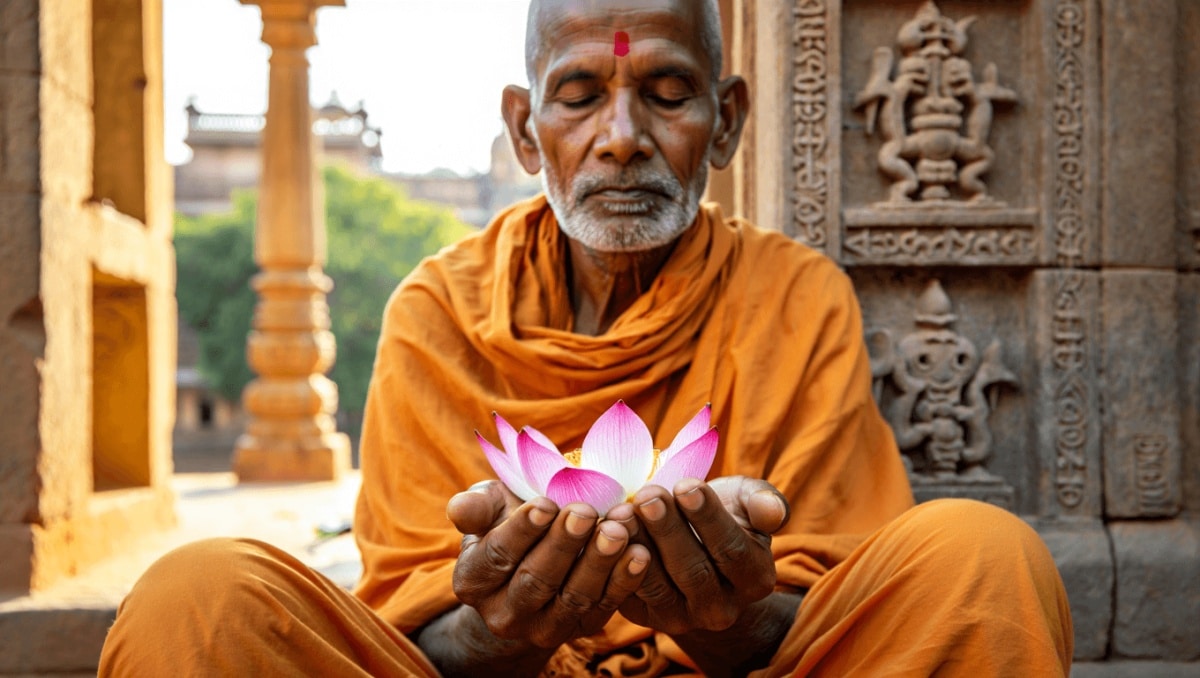
Ancient Sanskrit concepts about action and ritual—commonly summarized as karma and samskara—still matter because they prescribe a practical path from a conditioned sense of self to a state beyond suffering. These teachings explain both everyday discipline and a longer spiritual aim: dissolving the obstacles that make the Self feel limited and divided.
At its simplest, karma refers to work or a sequence of actions: not only physical tasks but the ritual and moral labors intended to transform a person. Samskaras are the specific rites and practices designed to remove impurities from life and character, shaping conduct outwardly and inwardly so a person can become fit for higher awareness.
Think of the process less as changing the essence of a thing and more as removing the rust that hides its original shine. In ritual terms this can mean a series of careful, ordered steps—preparation, practice, purification and cultivation—that together alter habits, temper emotions, and refine perception.
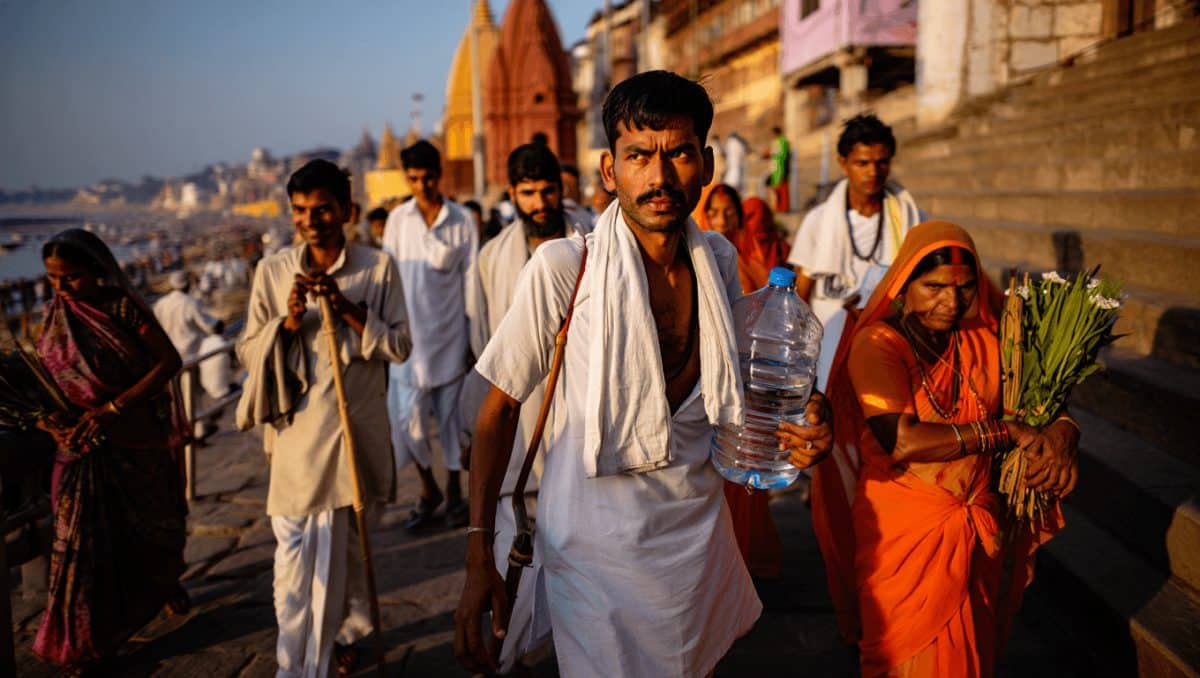
Kashi to Kedarnath costs revealed: how much a Sawan pilgrimage will set you back
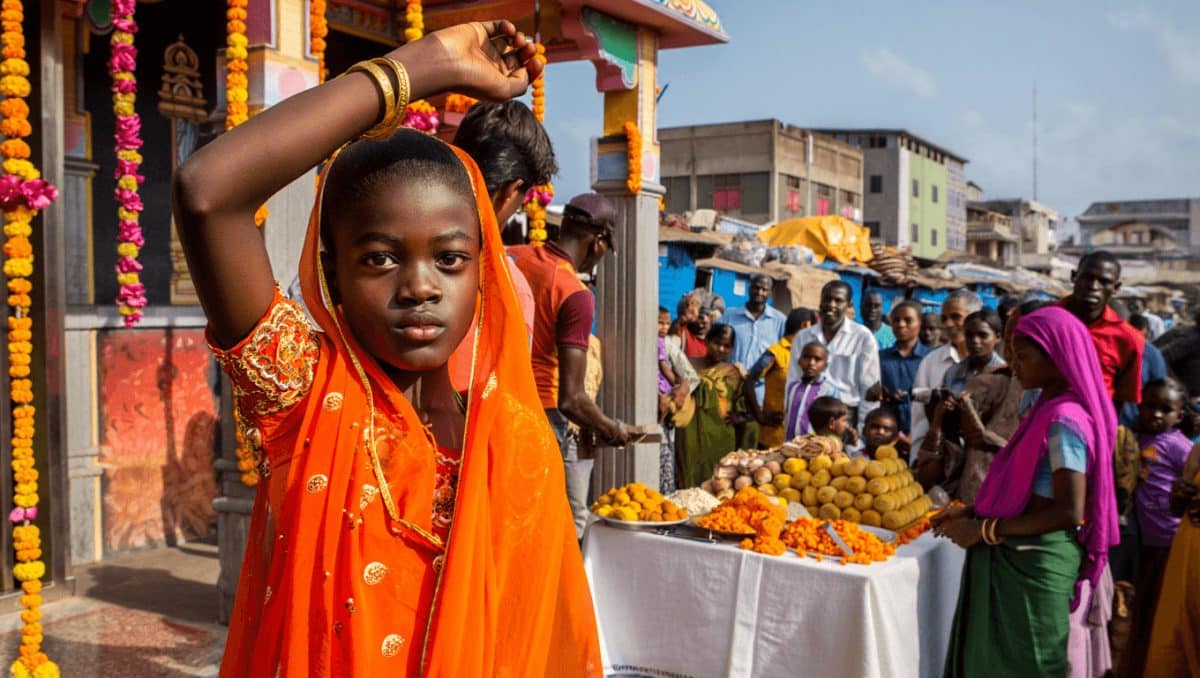
Hinduism gains ground in Africa: new communities reshape culture and commerce
Traditional sources list many such measures: a set of formal rites often enumerated as forty samskaras, and a complementary emphasis on cultivating moral and spiritual qualities, sometimes summarized as the eight Atmagunas. These frameworks aim not to manufacture a new Self, but to reveal the Self already present beneath layers of conditioning.
That raises an important philosophical distinction. On an ultimate level classical non-dual teaching holds that the Atman—the true Self—is ever-pure, formless and without attributes. From that standpoint it cannot be improved or diminished. Yet on the level of lived experience, when we identify with body, mind and habits—what teachers call Maya—the Self seems obscured and burdened by defects or durgunas. Samskaras and the cultivation of Atmagunas are aimed at that apparent, conditioned self.
The practical pattern is familiar across many traditions: discipline the senses and daily routine, practice ethical restraint, and steadily reduce attachments and reactive emotions. Over time the routines that once felt mechanical become the means by which deeper freedom is revealed.
- External purification: ritual actions, daily observances and communal rites that order life and mark transitions.
- Inner cultivation: habits of self-restraint and attention that diminish anger, fear and desire.
- Character development: steady practice of the eight Atmagunas to replace durgunas with harmonious qualities.
- Progress toward union: as conditioning declines, distinctions between the individual self and the greater Self fade.
Obstacles are practical and psychological: attachment, aversion, pride and habit. Addressing them requires sustained, often mundane effort—regulating speech, posture, diet and daily timings—alongside ethical effort. The point is not ritual for its own sake but a disciplined method for reorienting attention and behavior.
For contemporary readers, these ideas matter beyond doctrinal debate. Whether framed as spiritual practice, behavioral therapy, or ethical training, this set of practices links observable change in conduct with a long-term aim: ending persistent suffering by uncovering an unconditioned self. In classical terms that endpoint is a state free of qualities and divisions; in lived terms it means a durable halt to the patterns that cause recurring distress.
Seen this way, samskaras are tools and Atmagunas are the traits those tools cultivate. Together they form a pragmatic pathway: systematic work on the outer life to bring about lasting transformation of the inner life, until the supposed distinction between the individual self and the universal Self is dissolved.