Show summary Hide summary
A question in a Banaras Hindu University postgraduate exam that referenced the impact of Brahmanical patriarchy on women has set off protests and fresh political debate in Varanasi, raising immediate concerns about the place of ideology in classrooms. The dispute highlights wider anxieties over academic independence and communal sensitivity at a time when education policy is under intense public scrutiny.
What happened at BHU
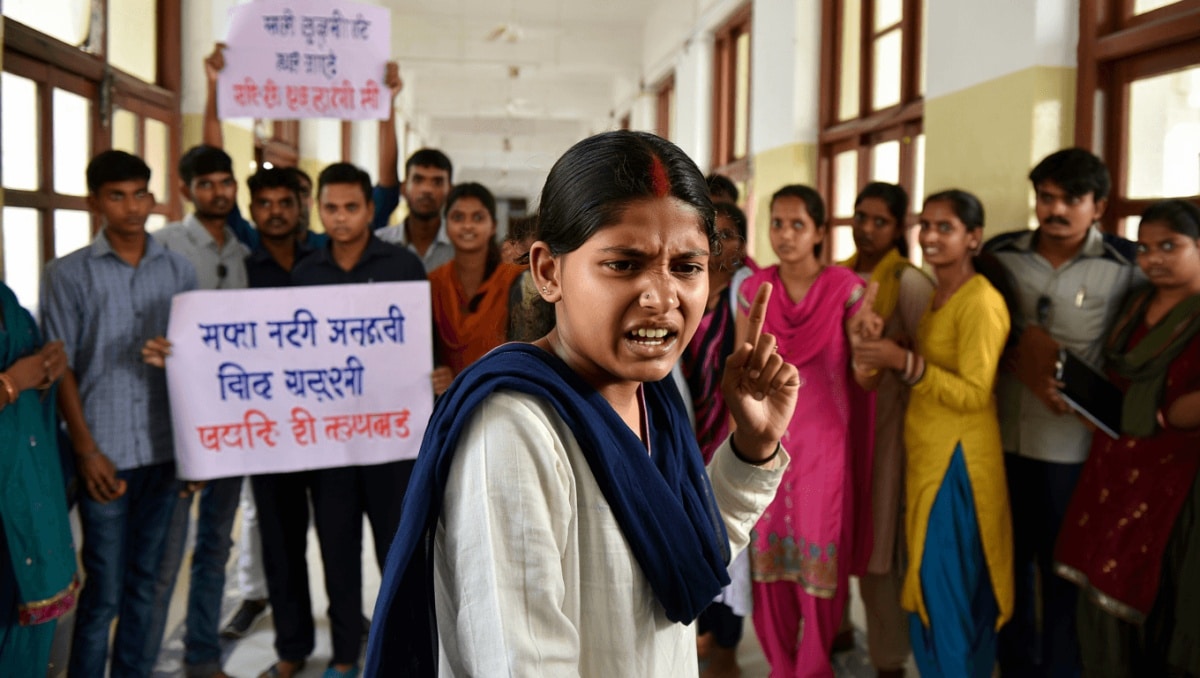
Students sitting the fourth-semester MA history paper at Banaras Hindu University encountered an item that critiqued the role of caste-based structures in gender relations. The question drew swift objections from some students and outside groups who said it was offensive and biased.
Kashi to Kedarnath costs revealed: how much a Sawan pilgrimage will set you back
Hinduism gains ground in Africa: new communities reshape culture and commerce
On Wednesday, activists linked to the student wing of a national party gathered outside the history department to demand an inquiry and accountability from university authorities.
Political response and official demands
Uttar Pradesh Congress state president Ajai Rai publicly urged the university to withdraw the question and called for stronger safeguards to keep campuses free from political and ideological influence. Rai argued that universities should promote unity, knowledge and critical thinking rather than stoke distrust between communities.
His comments tied the incident to a pattern he described as growing interference by the RSS and ruling party forces in educational institutions. He also pointed to earlier controversies — including a disputed item in a state police recruitment paper and a film that faced backlash for its portrayal of a community — as part of what he calls a worrying trend.
- Exam question in MA history at BHU triggered protests by ABVP-affiliated students.
- Congress leader Ajai Rai demanded withdrawal of the question and institutional safeguards.
- Claims surfaced linking the episode to broader ideological interference in education.
- Earlier incidents cited by critics include a contested UP sub‑inspector exam question and a controversial film title.
Why this matters now
At stake is more than a single exam item. Universities are expected to balance critical inquiry with factual rigor and respect for diverse communities. Episodes like this can sharpen social tensions, influence campus climate, and shape how future curricula are designed.
Scholars and administrators must weigh academic freedom against the risk of perceived bias; policymakers and the public, meanwhile, will be watching how BHU responds, since the outcome could set a precedent for handling similar disputes nationwide.
Perspectives and implications
Supporters of the question say scholarly engagement with concepts like caste and gender is central to historical study and social science. Critics counter that framing matters: course content and exam prompts should avoid language that appears to denigrate entire communities.
The university now faces practical choices: review the contested question, clarify guidelines for exam-setting, and communicate findings to students and the public. How it proceeds may influence trust in academic processes and the perceived neutrality of higher education.
What to watch next
- Whether BHU issues an official explanation or withdraws the question.
- Any internal review or disciplinary steps announced by the university.
- Responses from academic bodies, civil society groups and student organizations.
- Follow-up political statements that could shape the broader debate over education and ideology.
Conflicts over curriculum and assessment raise complex questions about history, identity and the role of public institutions. Observers say the resolution should reinforce rigorous scholarship, transparent procedures and respect for social harmony—principles that universities are meant to uphold.