Show summary Hide summary
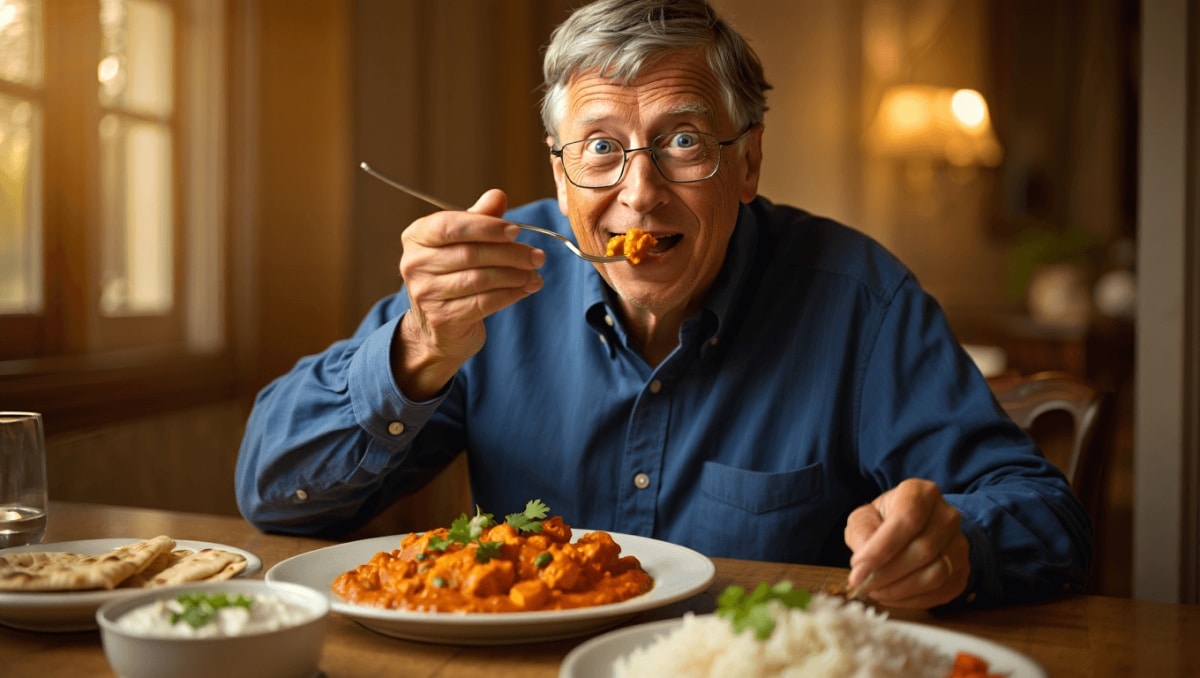
On May 21, 2026, an entertainment outlet reported that Bill Gates expressed a fondness for an Indian dish now counted among the world’s culinary staples. The remark — whether casual or celebratory — highlights how foods from the subcontinent continue to secure a place on global plates and in cultural conversations.
What was reported
According to a story published on May 21, 2026, by a popular Indian entertainment site, Microsoft co-founder Bill Gates has a penchant for a particular Indian preparation that many consider among the globe’s most recognizable dishes. The piece did not present an extended interview or new direct comment from Gates, but it added to ongoing public interest in which international figures champion Indian food.
Kashi to Kedarnath costs revealed: how much a Sawan pilgrimage will set you back
Hinduism gains ground in Africa: new communities reshape culture and commerce
Without independent confirmation from Gates or his representatives, the remark should be treated as a media report rather than a firsthand quote. Still, such coverage matters because it reinforces a broader trend: high‑profile endorsements, even casual ones, help amplify the reach of a cuisine.
Why this matters now
In recent years, Indian cuisine has moved from niche to mainstream across multiple continents. Restaurants, grocery aisles and streaming food programming now routinely feature South Asian flavors. A report that links a household name to an Indian dish arrives at a moment when food culture, travel recovery and international trade are intersecting more visibly than before.
- Visibility: Mentions by well-known public figures draw attention to dishes and ingredients, often prompting curiosity-driven searches, dining visits, and social shares.
- Economic ripple effects: Increased interest can help restaurants, spice exporters, and food producers in South Asia and diasporic communities abroad.
- Cultural exchange: Food recommendations contribute to cross-cultural familiarity and can shape perceptions faster than many other forms of soft diplomacy.
How Indian food became a global staple
The international appetite for Indian flavors is not new, but its momentum has accelerated. Migration, global media, and chefs adapting traditional recipes for local tastes have all played roles. Dishes that travel well — those with adaptable spice profiles, vegetarian options and clear regional identities — have been especially successful at crossing borders.
Examples commonly cited in food surveys and menus around the world include rice‑based biryanis, savory snacks such as samosas, and creamy mains often labeled under the umbrella term “curry.” These items illustrate different ways Indian cooking appeals: comfort, spice, and versatility.
Practical implications for readers
If a public figure’s food preference makes headlines, consumers may notice a small but measurable shift: menus change, specialty ingredients appear in supermarkets, and online searches rise. For diners, that translates into more chances to try regional variations and fusion interpretations. For restaurateurs and producers, it can mean new demand and the need to balance authenticity with broader palates.
- Expect more media coverage linking celebrities and politicians with international cuisines.
- Look for expanded Indian offerings at local restaurants and increased availability of regional spices and ready‑to‑cook options.
- For travelers, culinary interest often becomes a reason to explore particular Indian regions or community food scenes abroad.
Whether or not Bill Gates’ preference changes global dining patterns single-handedly, the episode underscores a continuing reality: Indian food is woven into the contemporary global menu, and every high‑profile mention reinforces that position.