Show summary Hide summary
Kirtan—devotional singing rooted in South Asian tradition—has quietly become a global practice with new relevance for community life and wellbeing. From temple courtyards to yoga studios and livestreamed events, this participatory form of chanting is being rediscovered as a way to connect, calm and convene people across cultures.
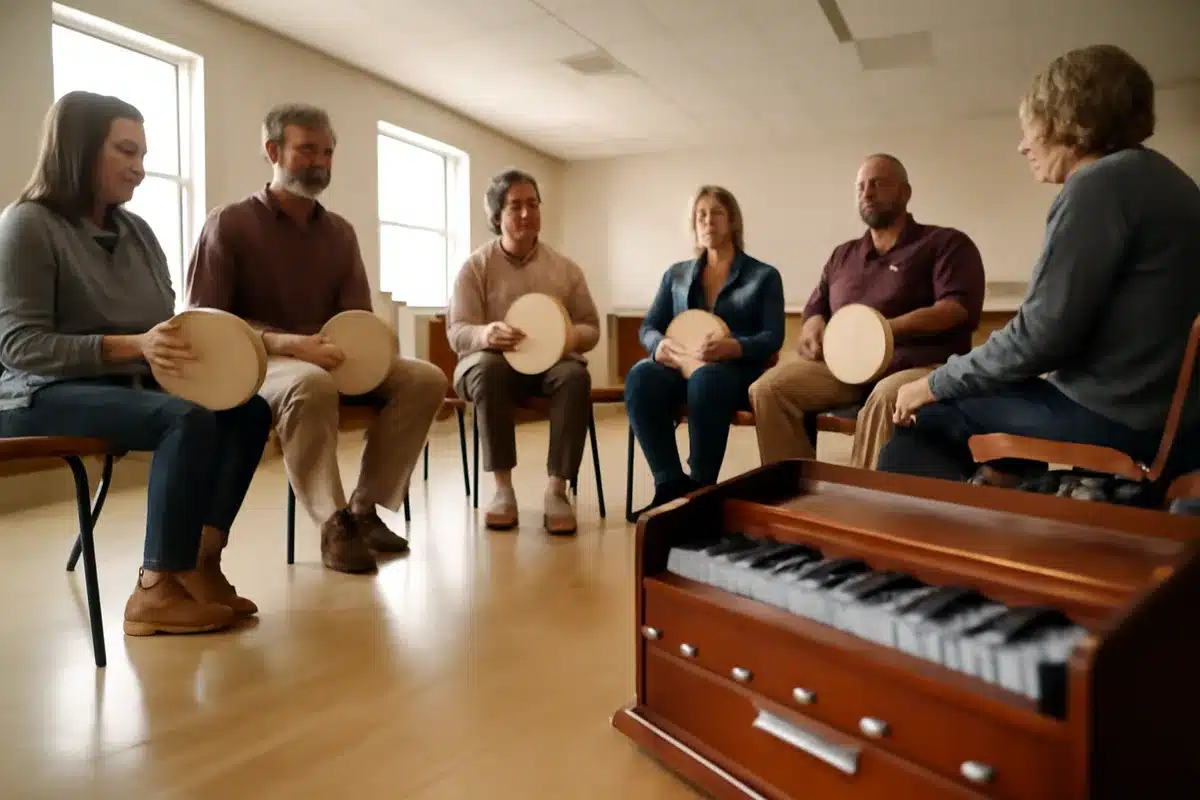
The word kirtan comes from an old Indic root meaning to praise or recount. In practice it usually unfolds as a musical exchange: a lead voice intones a line and the group responds, repeating short sacred phrases or names of the divine. These refrains, often built around simple melodies, are designed so everyone present can join in — regardless of musical training.
Bhakti, the devotional path celebrated in many Hindu texts, provided the cultural soil in which kirtan flourished. The medieval bhakti movement, beginning with Tamil poet-saints and spreading across the subcontinent, turned personal devotion into communal expression. Kirtan became a primary way for devotees to cultivate love and surrender toward deities such as Radha, Krishna, Sita and Rama.
Puja bookings from abroad: what to verify about sankalp, gotra and priest credentials
Sadhus: inside their growing political and cultural influence
What sets kirtan apart
Kirtan is related to other devotional genres, but it has distinctive features. Unlike a solo hymn or a scripted prayer, its structure intentionally invites group participation. The chants are often short, repetitive and framed as names or mantras that practitioners consider inherently sacred.

- Format: Leader-led lines followed by group response; music supports chanting (harmonium, drums, cymbals, sometimes Western instruments).
- Purpose: To awaken devotion and create a shared emotional focus rather than to showcase individual virtuosity.
- Accessibility: Repetition and simple melodies mean newcomers can take part immediately.
- Contexts: Temples and festivals, community centers, yoga and wellness classes, and digital livestreams.
Within certain devotional schools, the practice is especially central. For example, followers of the Gaudiya Vaishnava tradition regard Caitanya Mahaprabhu, a 15th-century spiritual leader from Bengal, as a pivotal figure who emphasized congregational chanting as a direct path to divine love. His teachings encouraged an emotive style of singing — likened to a child’s longing for a parent — and promoted doing this together rather than alone.
How kirtan reached the West is part cultural exchange, part organized mission. In the 1960s, the International Society for Krishna Consciousness (ISKCON) helped bring congregational chanting to broader audiences outside India. Since then, the practice has spread further through recordings, touring artists and the growing interest in experiential spiritual and wellness practices.
Why it matters now
Two trends explain kirtan’s current visibility: a search for communal rituals in an era of isolation, and the mainstreaming of contemplative and somatic practices. Research and anecdotal reports suggest collective singing can reduce stress, foster social bonds and produce feelings of uplift — outcomes that organizations and participants alike find appealing.

At the same time, kirtan’s adaptability has allowed it to enter secular spaces without always carrying explicit religious commitment. Yoga studios, meditation centers and music festivals often host chant sessions, sometimes blending traditional mantras with contemporary arrangements to reach wider audiences.
The essentials remain the same, however: people gather, voices rise and the practice functions as a vessel for shared attention. Technical skill is secondary; participation is the point.
Takeaways
Whether experienced in a temple, at a retreat or online, kirtan is a collective ritual with deep historical roots and contemporary appeal. Its combination of music, repetition and communal voice provides a simple, accessible route into devotional practice and group cohesion — qualities that help explain why it continues to spread worldwide.
In the end, kirtan’s power lies less in performance than in participation: when strangers lift the same chant together, the act itself becomes the message.