Show summary Hide summary
Japan’s shrinking congregations and aging clergy are forcing temples to experiment with new tools — including artificial intelligence — to stay financially afloat and connect with people who rarely visit in person. With estimates that nearly a third of the country’s temples could vanish by 2040, some priests are blending digital outreach, new burial options and AI-driven services to keep faith traditions relevant.
Practical change at a local temple
At Ganshuji temple in Odawara, Kanagawa, resident priest Souou Iwayama turned necessity into innovation. During the pandemic he launched online zazen sessions when congregants were staying home, and reimagined the temple cemetery around jumokuso — burying ashes beneath trees and plants rather than maintaining costly stone graves.
Annamalai applauds Bhagwat’s message on Muslim inclusion in India
Navratri in Times Square goes viral: social media splits over Indian celebrations abroad

Those shifts have had measurable effects. When Iwayama inherited the temple it depended on only a handful of supporting households; today, several hundred families use its plots. The move both stabilised finances and broadened the temple’s reach in a region facing long-term population decline.
More recently, the temple has adopted AI tools for administrative tasks — scheduling memorials, drafting guidance for parishioners and smoothing routine communications. The goal, Iwayama says, is to let technology handle logistics so human caregivers can focus on in-person pastoral work.
Turning scriptures into conversation
Some projects aim to translate Buddhist texts into interactive systems. Starting in 2021, a team including Kyoto University scholar Seiji Kumagai and private-sector partners built early versions of a script-based responder, later expanded into more sophisticated models such as BuddhaBot-Plus.

Those systems use natural-language techniques to pull passages from early collections like the Sutta Nipata and offer answers grounded in scripture. Iterations since then have added persona-based models — named after historical teachers such as Shinran and Vasubandhu — and multimodal interfaces that combine text, sound and avatars.
This February the group demonstrated a humanoid prototype, dubbed the Buddharoid, embedding the conversational engine in a physical form. Developers describe the robot as a proof of concept: cheaper and more capable machines could at some point participate in parts of ritual practice, while human priests remain central.
Where ritual resists automation
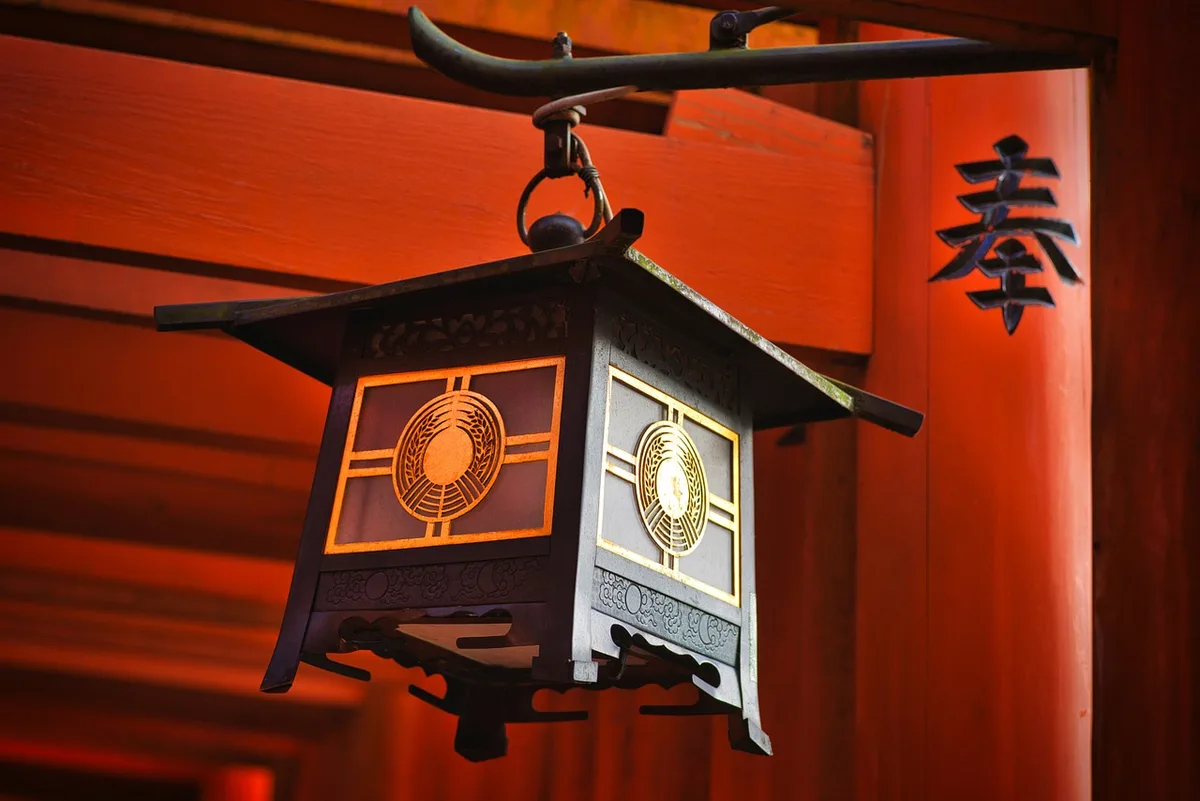
Not all religious forms fit the chatbot model. Shinto, which privileges ceremony, place and embodied practice over doctrinal text, offers fewer entry points for text-driven AI. Osaka’s Hattori Tanjingu priest Taishi Kato says he finds AI useful for administrative work, but that the heart of Shinto — gesture, presence, ritual timing — resists being turned into data alone.
That distinction helps explain why Japan’s encounter with religious AI looks different from the West. The Vatican, for example, has issued public guidance drawing a clear line between human dignity and machine intelligence; Japanese institutions have tended to respond more piecemeal, with individual temples or developers experimenting on their own.
Public appetite and hazards
Attitudes toward AI suggest a public open to emotional engagement with machines. A June 2025 Dentsu survey of conversational-AI users aged 12–69 found that about two-thirds say they confide emotions to AI, and roughly 86% reported trusting such systems — especially younger respondents. That degree of intimacy raises questions about whether people might turn to bots as a substitute for religious community or guidance.
Experts warn of concrete risks: AI could be used to amplify particular doctrines, bestow apparent authority on unvetted voices, or spread factual errors that are hard for users to spot. In Japan, memories of manipulative cult activity make those worries especially sensitive.
“Technology can help convey teachings, but real human care matters in moments of grief or crisis,” Kumagai says. He stresses the importance of keeping people in the loop so an AI’s role is clearly framed as interpretive and supportive, not authoritative.
- Temple survival: Administrative AI and alternative burial options like jumokuso can lower costs and attract new parishioners.
- Text-based faith: Buddhist traditions with large scriptural records lend themselves more readily to chatbots than ritual-focused practices such as Shinto.
- Public trust: High levels of emotional disclosure to AI among younger users could shift where people seek spiritual or psychological support.
- Regulatory and ethical gaps: Japan currently lacks a coordinated, nationwide religious-policy response to AI; oversight remains fragmented.
What to watch next
Will AI expand as a low-cost outreach tool for shrinking temples, or will it become an ersatz spiritual authority? Two factors will shape outcomes: how openly religious leaders set boundaries around AI’s role, and whether regulatory frameworks evolve to prevent misuse.
If the experiments at Ganshuji and by the BuddhaBot team are any guide, Japan’s approach will be pragmatic and uneven — a patchwork of trials that balance efficiency against the human elements of care and ritual. For now, developers and clergy alike insist on one point: machines can assist, but cannot replace the human presence at the centre of religious life.