Show summary Hide summary
Mini Mathur says she and husband Kabir Khan have quietly reshaped how their family handles faith and identity, describing two decades of marriage in which religious labels have taken a back seat to shared cultural practices. In an interview published Aug. 21, 2026, she explained that their children are officially recorded without a faith and that the couple prioritizes traditions over religion in day-to-day life.
Family response and early hesitation
Mathur recalled that, although her father initially hesitated, neither side of the family ultimately objected to the marriage. She framed the early reluctance as a personal concern rather than a lasting barrier, and said both families adapted without public conflict.
Annamalai applauds Bhagwat’s message on Muslim inclusion in India
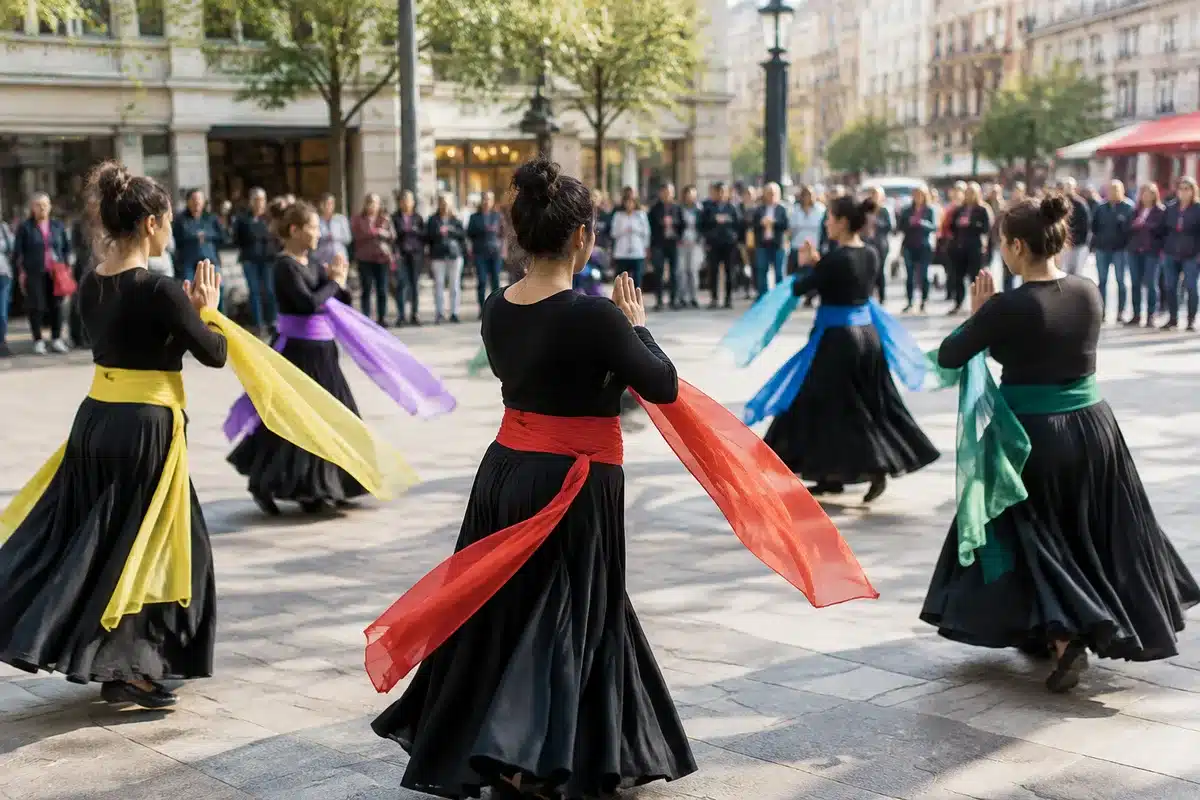
Navratri in Times Square goes viral: social media splits over Indian celebrations abroad
The couple have navigated sensitive territory privately rather than making a public statement about their union. That approach, Mathur suggested, helped keep family relationships intact while allowing them to form their own path.
Official records and personal choices
On official documents, Mathur says she has retained her maiden name, and that the religion field for their children is either entered as no religion or described as humanism. She contrasted this with observing cultural celebrations and rituals that are meaningful to them as a family.

“We follow cultural traditions over religious doctrine,” she told the interviewer, emphasizing a distinction between cultural practice and formal religious identity.
Why this matters now
Public figures who disclose nontraditional approaches to faith can shift public conversation about identity, registration practices and what families choose to pass on to the next generation. For readers, Mathur’s comments touch on practical matters—how parents fill out school and government forms—and on broader questions about cultural continuity in mixed-faith partnerships.

- Marriage length: Around 20 years together, according to Mathur.
- Family stance: No lasting opposition from either family despite initial hesitation.
- Legal/formal identity: Children listed as “no religion” or “humanism” on paperwork.
- Everyday practice: Emphasis on cultural traditions rather than religious observance.
Context and possible implications
In urban India and elsewhere, growing numbers of couples are rethinking how religion shapes household life and legal paperwork. While Mathur’s experience is personal, it highlights recurring issues: administrative fields that force a religious choice, and the social consequences of claiming none.
Experts in family law and social policy have noted that the way identity is recorded can have downstream effects on schooling, community belonging and legal documentation, though Mathur focused on the intimate, day‑to‑day aspects of raising children without a religious label.
Her comments add to an ongoing public conversation about pluralism, secular identity and the private decisions couples make when traditions intersect with modern family life.