
Show summary Hide summary
Saba Ali Pataudi says her upbringing combined clear religious guidance with an openness to other traditions — a balance shaped after her mother, actress Sharmila Tagore, adopted Islam on marrying cricketer Mansoor Ali Khan Pataudi. Her account offers a rare, public glimpse into how a high-profile Indian family navigated faith, identity and ceremony without strict conformity.
Roots and routine: what the family life looked like
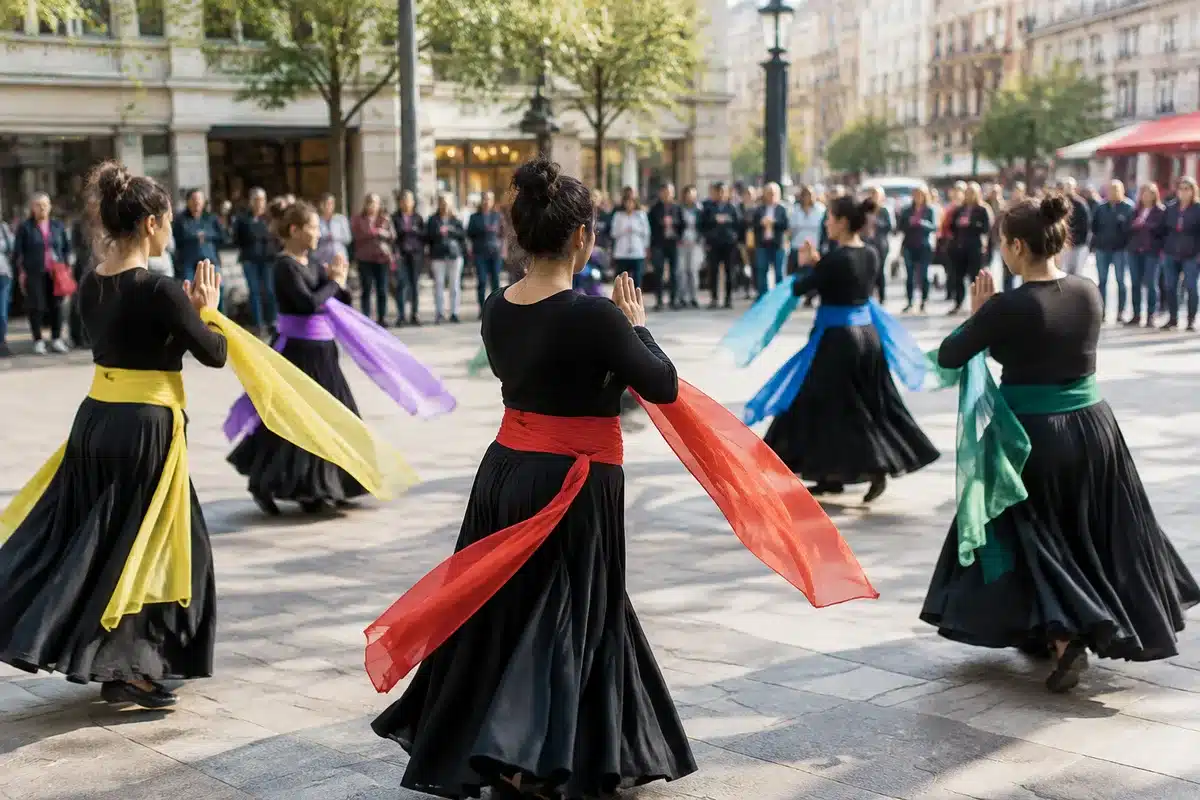
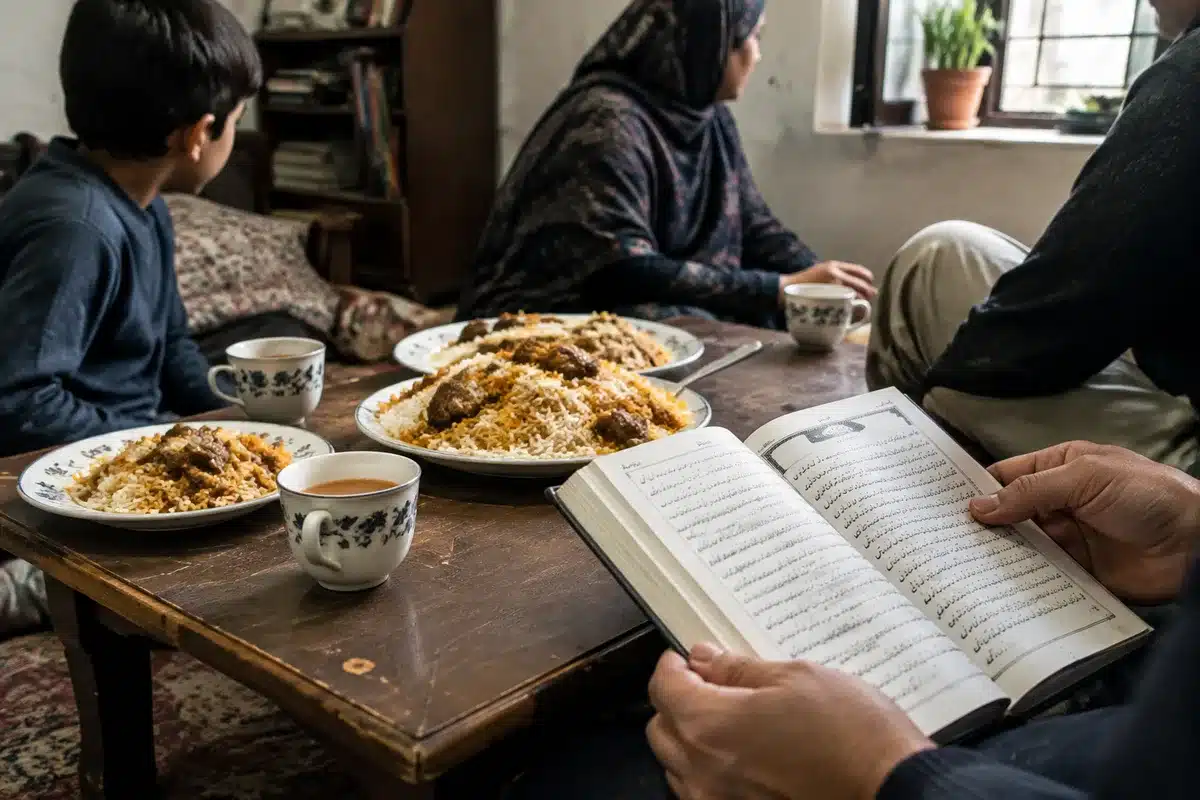
Saba describes a household where Islamic practice was central to daily life, taught deliberately by her parents. Yet that structure did not translate into a narrow view of belonging: the family observed festivals and customs from different communities, and children were encouraged to learn about diverse faiths.
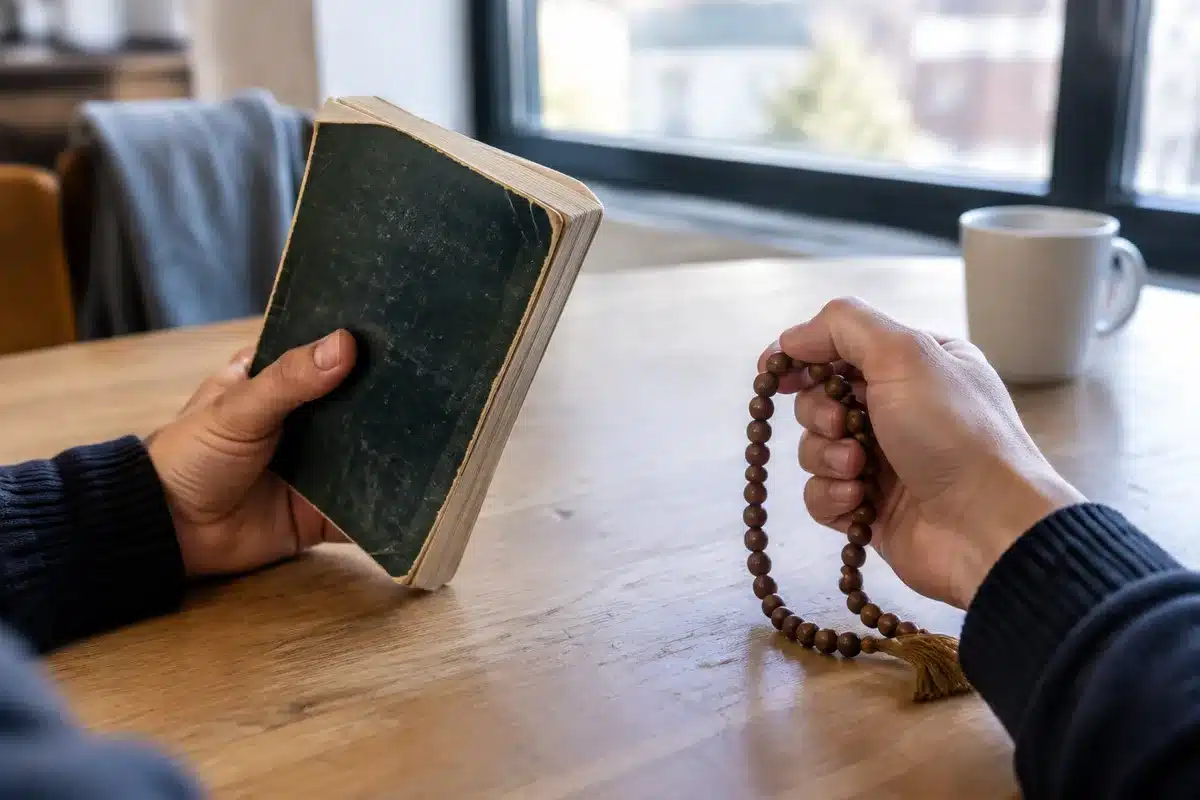
The environment she recalls was neither strictly ritualistic nor doctrinaire. There were prayers and religious education consistent with a Muslim household, but also cultural awareness and participation in other traditions.
Annamalai applauds Bhagwat’s message on Muslim inclusion in India
Navratri in Times Square goes viral: social media splits over Indian celebrations abroad

How Saba frames her own faith
She speaks of a personal and meaningful connection to Islam, grounded in the upbringing she received. At the same time, Saba emphasizes that she and her siblings were not coerced into a prescribed religious identity — an approach she credits to both parents.
This distinction matters in her telling: guidance and faith formation, she suggests, can coexist with individual freedom.
- Conversion on marriage: Sharmila Tagore embraced Islam after marrying Mansoor Ali Khan Pataudi, which set the household’s religious tone.
- Religious education: Children were raised with Islamic teachings but exposed to other traditions and celebrations.
- No imposed creed: Parents, according to Saba, avoided forcing any single religious stance on their children.
- Personal choice: Saba identifies strongly with Islam while acknowledging the family’s plural cultural life.

Why this matters now
Public conversations about faith, identity and interfaith families are increasingly visible in India and globally. When figures from entertainment and sport discuss their household practices, the effect is twofold: they humanize complex choices and provide a model for coexistence that resists polarization.
Saba’s reflections are timely: they highlight how private religious decisions intersect with public life, and how families can transmit belief without enforcing conformity.
Perspectives from historians and social researchers suggest such examples can influence broader social attitudes, especially when they counter binary narratives about identity.
A single line from Saba captures the nuance: religion shaped daily life in her home, but did not serve as a weapon of division.
The conversation she opens — about conversion, parenting and pluralism — is likely to resonate with families negotiating similar questions across faith lines today.