Show summary Hide summary
In 15th-century Andhra, a woman from a humble background produced a Telugu retelling of the Ramayana that quietly reshaped literary expectations and social assumptions. Her life and work illuminate how vernacular culture, gender, and learning intersected during the Vijayanagara era — and why that matters for debates about access to education and heritage today.
Life and origins
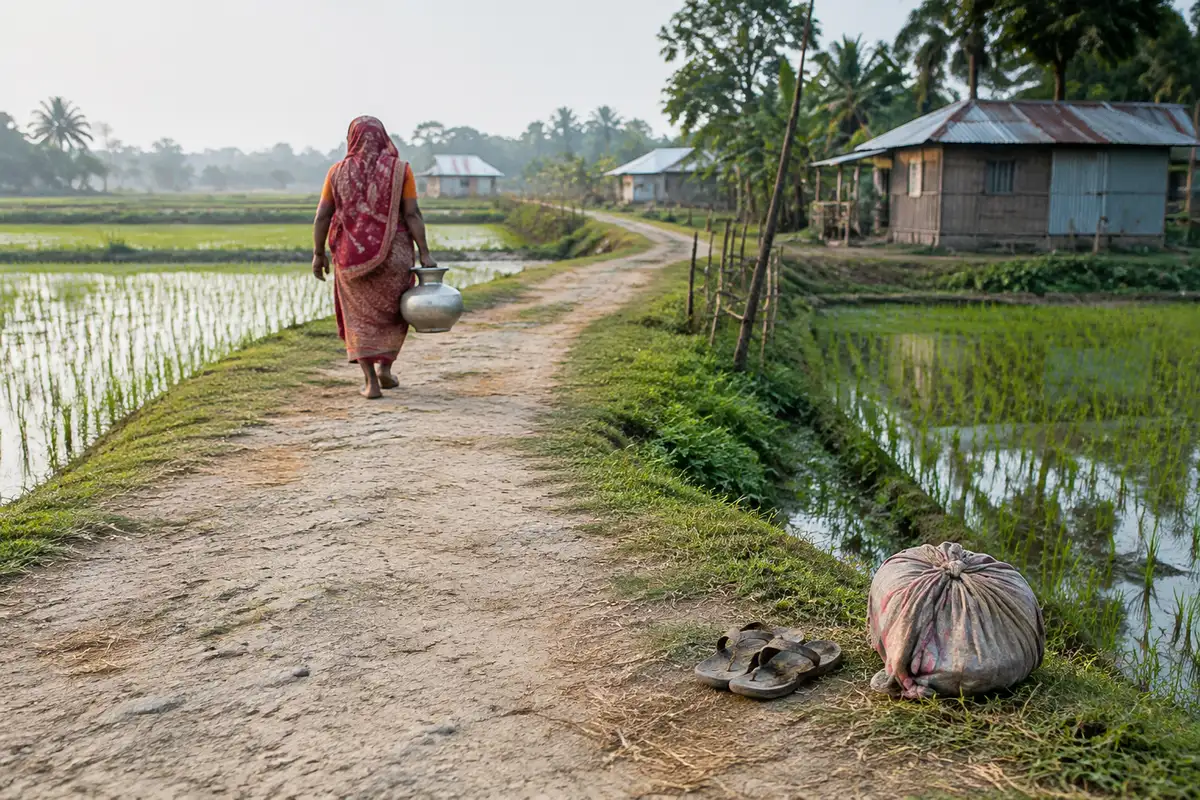
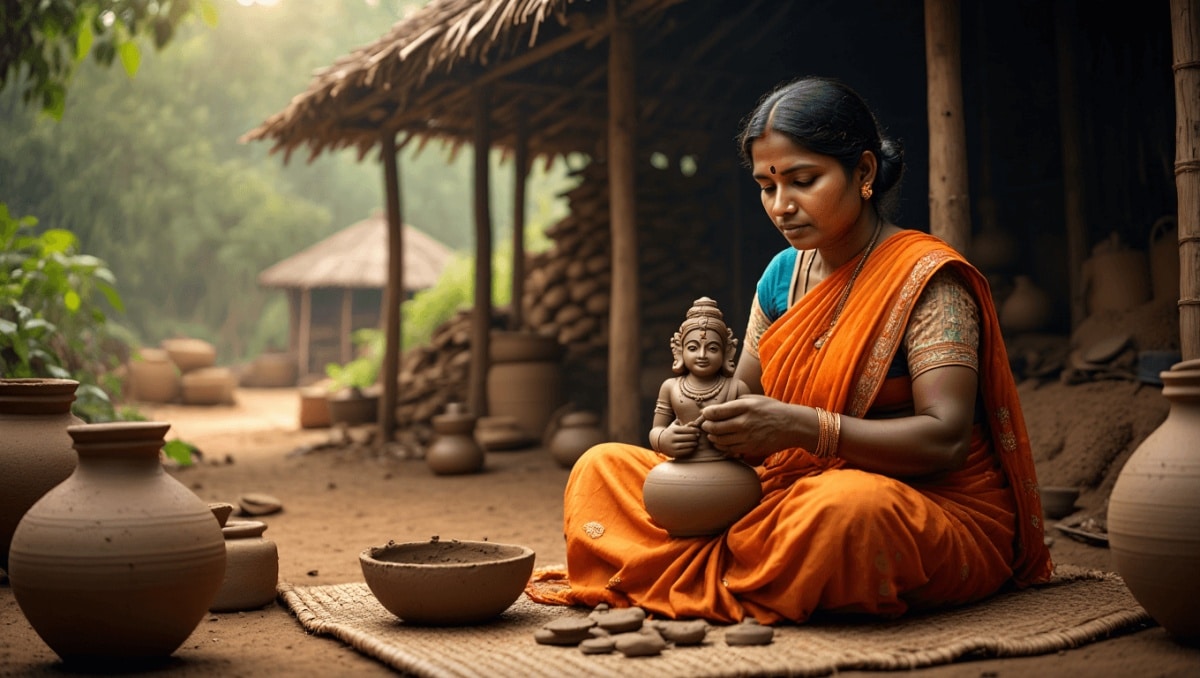
Atukuri Molla was born in 1440 in the village of Gopavaram (present-day Nellore district). The daughter of a potter and a devotee-family, she grew up in a devotional household and adopted the life of a brahmacharini, devoting herself to religious practice and study.
Annamalai applauds Bhagwat’s message on Muslim inclusion in India
Navratri in Times Square goes viral: social media splits over Indian celebrations abroad
Though rooted in Shaiva devotion, Molla reported a devotional vision that directed her to retell the Ramayana in Telugu. She undertook that project not as a courtier but as a local poet, composing a concise, lyrical version that quickly gained regional popularity.
Court recognition and public reception
Word of Molla’s verses reached the capital of a powerful South Indian polity. Invited to recite at the royal court of the Vijayanagara ruler Krishnadeva Raya, she reportedly met sceptics with extemporaneous verse and received public acclaim. Chroniclers and folklore preserve the image of a poet who could hold her own among elite literati.
Back home she remained a public figure in the temple town of Srisailam, singing her work to villagers and devotees until her death, traditionally dated to 1530 at an advanced age.
What Molla’s Ramayana is — and isn’t
Molla produced an abridged Telugu version that draws on Valmiki yet moves freely between compression and elaboration. The text is unusually economical: roughly 845 verses, blending prose and poetry, and reshaping scenes to suit her priorities.
- Selective editing: She expands certain episodes — notably the section corresponding to the modern Sundarakanda — while shortening or omitting others, including later additions to Valmiki’s corpus.
- Character emphasis: Molla recasts some emotional passages, attributing strong displays of grief or anger in ways that reflect her own moral reading of Rama’s character.
- Linguistic choice: Unlike many contemporaries who heavily Sanskritized their Telugu, Molla preferred everyday language, arguing that an epic should be understandable to ordinary listeners.
- Form and feeling: Her narrative deploys a broad emotional palette — from devotion and compassion to heroism and wonder — rather than privileging any single mood.
Why Molla matters for how we understand Vijayanagara society
Molla’s life challenges several long-standing assumptions about medieval South Asia. Her recognition in elite circles and her popularity among common audiences suggest broader access to literary culture than is often assumed.
Her example indicates that literary production in the Vijayanagara world could cross social boundaries: a woman from a non-elite family produced work of recognized merit and engaged with Sanskritic traditions without being confined to them.
Legacy and contemporary relevance
Today, Molla’s story resonates for multiple reasons. It illustrates the importance of vernacular literature in shaping religious and cultural memory. It also provides a historical precedent for inclusive literary participation — relevant to modern conversations about who is permitted to interpret and transmit cultural texts.
Her insistence on clear, accessible language anticipates modern debates over literary accessibility and educational reach. In a period when questions of representation, caste, gender and language remain contested, Molla’s achievement offers a concrete historical example of cultural vitality outside elite patronage.
At a glance: Molla’s key contributions
- Accessible poetry: Favoured plain Telugu over dense Sanskrit vocabulary.
- Structural innovation: Mixed prose and verse and rearranged emphasis across episodes.
- Cross-cultural erudition: Displayed knowledge of Sanskrit poets while writing for a vernacular audience.
- Social significance: Demonstrated that literary authority could come from outside established elite channels.
Molla’s Ramayana remains part of the living tapestry of South Asian narrative traditions: not a static relic but a reminder that literary creativity and religious devotion have long been distributed across society, not confined to a narrow cultural elite. Her work still invites readers to reconsider who authors cultural memory, and how simple language can preserve profound devotion.