Show summary Hide summary
When violence and political exclusion pushed thousands across the India–Pakistan border in 1971, few expected their plight to remain partly unresolved half a century later. In a wide-ranging interview, Pakistani-born activist Hindu Singh Sodha — now a longtime organiser in India — lays out how legal recognition, resettlement promises and shifting border policies shaped the lives of those who fled, and why the issue still matters for minority rights and migration policy today.
From Sindh to Rajasthan: a family’s escape and an early role in refugee aid
Hindu Singh Sodha traces his family’s departure to February 1971, months before the Bangladesh war fully reshaped the region. His relatives were local political figures in Sindh, and rising religious nationalism made public life increasingly perilous for non-Muslims.
Annamalai applauds Bhagwat’s message on Muslim inclusion in India
Navratri in Times Square goes viral: social media splits over Indian celebrations abroad
As arrests and accusations mounted against Hindu politicians, his family chose to leave. They arrived in India with little more than what they could carry; Sodha, still a school student, soon found himself helping new arrivals file letters and seek assistance. Those early volunteer efforts grew into a lifetime of advocacy.
Organising on the ground
Sodha later helped found several community groups — including the Universal Just Action Society (UJAS), Pak Visthapit Sangh and Seemant Lok Sangathan — to support Pakistani minorities living in border settlements and across India. Through these organisations he has worked to secure documentation, access to services and broader public recognition for displaced households.
Policy shifts that shaped settlement
The first years after 1971 were chaotic: some migrants lived in government-run camps, while others — like Sodha’s family — settled outside the formal system and therefore missed out on early relief.
By the late 1970s a change in New Delhi’s political leadership led to wider acceptance of these migrants. The incoming government moved to grant citizenship and to design a rehabilitation package intended to help former agricultural families resettle. Still, administrative rules — notably how ration cards and land allotments were calculated — meant many households received only partial benefit.
- Partial rehabilitation: land and support were offered, but distribution rules left many family members without access.
- Documentation gaps: those who had not been registered in camps found it harder to claim entitlements.
- Visa limitations after 1990: porous crossings were closed; remaining migrants depended on visitor or pilgrimage visas rather than a clear asylum route.
How border control and visa policy tightened
Through the 1990s India completed fencing along much of the western border, reducing informal crossings that previously allowed persecuted individuals to come and seek refuge. As a result, those fleeing later waves of targeted intimidation often had to rely on short-term visas that do not confer refugee status or long-term protection.
At the same time, activists point to the growth of organised religious institutions and an increase in hardline rhetoric across parts of Pakistan from the late 1980s onward as a driver of renewed migration. For minority communities in border districts, the combination of mounting insecurity and closing avenues of escape narrowed options dramatically.
What this means now
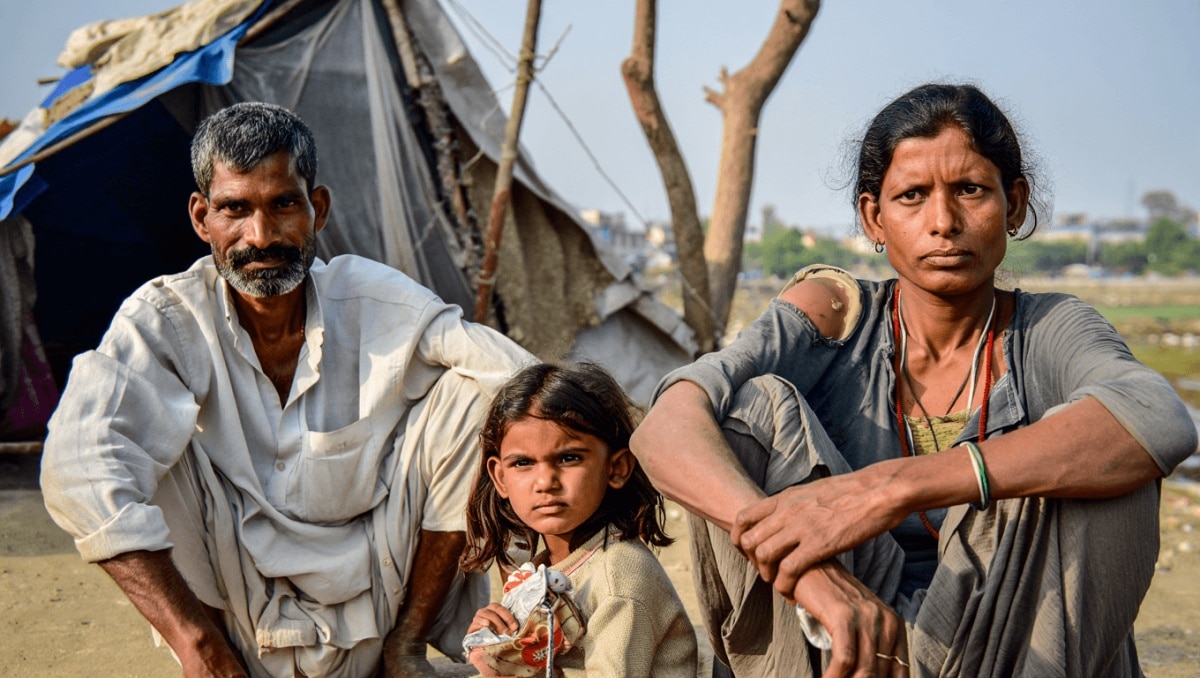
The story has contemporary consequences. Many Pakistani Hindus who settled decades ago still lack full access to land titles, social benefits or stable legal recognition. New arrivals face a different obstacle: an immigration system that does not formally recognise their refugee status and offers only limited visa categories.
Advocates, including Sodha, argue that central and state authorities should adopt clearer, targeted rehabilitation measures similar to packages provided in other displacement contexts. They note the uneven outcomes of past efforts and press for reforms that address documentation, land allotment and social support.
Key challenges facing Pakistani Hindu migrants today
- Limited legal recognition for those who did not register in early camps
- Unequal access to land and public benefits due to administrative rules
- Reliance on short-term visas for recent arrivals rather than refugee protection
- Continuing insecurity in places of origin that sustains migration pressure
The interview underscores two recurring themes: displacement driven by political exclusion, and the long shadow of policy choices made during and after crisis moments. For policymakers and rights groups, the test now is whether lessons from the past translate into durable solutions for people who, decades on, still lack secure status.
This interview was conducted by Deepali Kulkarni, Human Rights Director at HAF, and has been condensed and edited for clarity.