Show summary Hide summary
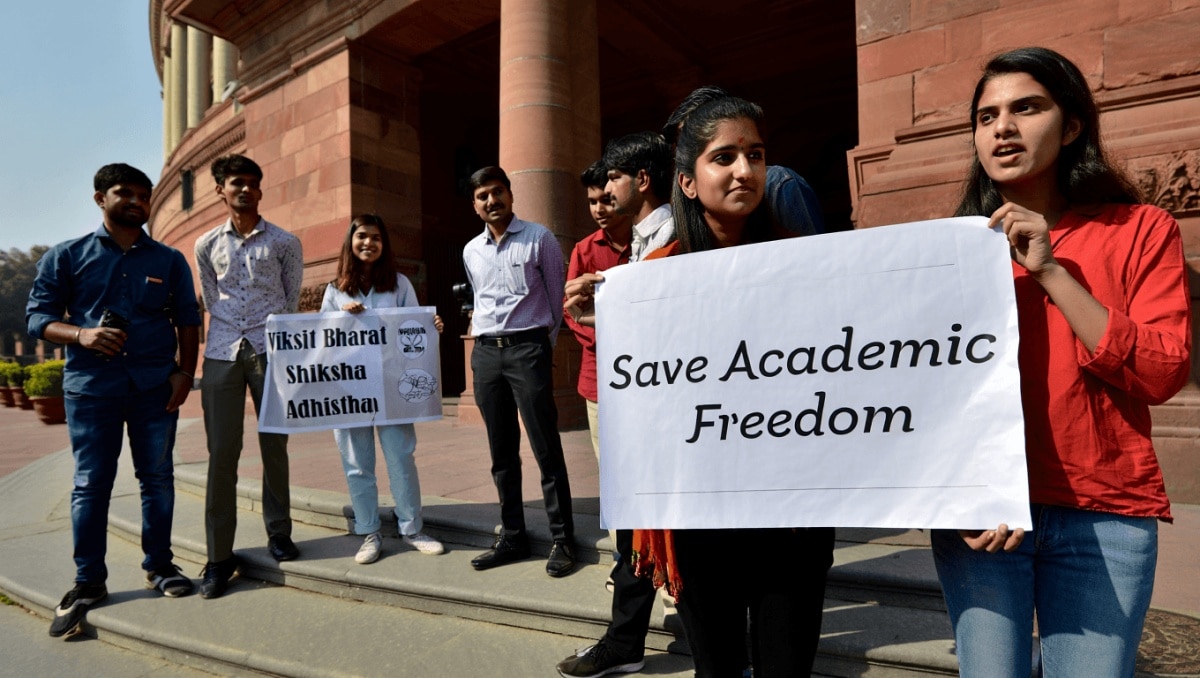
The Joint Parliamentary Committee’s decision to pause its report on the Viksit Bharat Shiksha Adhisthan bill has reignited a heated debate over the future of higher education in India. Critics say the delay is an immediate political win for the opposition and a temporary halt to a measure they view as reshaping governance, funding and academic independence nationwide.
Trinamool Congress leaders welcomed the JPC’s move, arguing their pressure forced the government to step back from a proposal they describe as harmful to students and state autonomy. Party MPs told reporters the pause offers breathing space to scrutinize provisions they believe would concentrate power in New Delhi and favor affluent institutions.
What opponents are saying
Several opposition parties — including Congress, DMK and Shiv Sena — publicly opposed the bill during committee discussions. Reports also indicated reservations from the Telugu Desam Party, a government ally, though its stance was described as cautious rather than openly confrontational.
Annamalai applauds Bhagwat’s message on Muslim inclusion in India
Navratri in Times Square goes viral: social media splits over Indian celebrations abroad
Sources close to the Trinamool flagged multiple legal and practical concerns: they argue the draft exceeds constitutional boundaries, risks turning higher education into a market accessible mostly to wealthier families, and could narrow curricular perspectives by privileging one interpretation of India’s knowledge traditions.
- Centralization: Critics warn the bill would create a large centralized structure for higher education, diluting state roles and decision-making.
- Academic freedom: Opponents say safeguards for institutional autonomy and scholarly independence are insufficient.
- Access and equity: Parties fear funding changes would push universities toward loans, potentially triggering fee increases that hurt low-income students.
- Constitutional limits: Some lawmakers contend the measure may overstep the federal framework set out in the Constitution.
A senior Trinamool leader also raised alarms about the proposed weakening or replacement of the UGC, telling colleagues that removing the regulator could force universities to seek commercial borrowing — and that debt burden, in turn, might be passed to students as higher fees.
Immediate implications
The JPC’s deferral does not settle the issues; it pauses their legislative progress while giving members more time to debate amendments. For students and university administrators, the episode signals continued uncertainty over fee structures, governance models and curricular control.
For policymakers, the standoff highlights a broader political tension: balancing central reforms with India’s federal structure. How the committee resolves objections — either by redrafting clauses or by recommending retention with safeguards — will determine whether the bill moves forward in its current form.
Observers say the next weeks will be critical. The committee may return with revised language, or the matter could be further delayed pending wider consultations. Either outcome will shape conversations about access to higher education and the distribution of authority between New Delhi and the states.
What to watch next: whether the JPC convenes fresh hearings, which specific provisions are rewritten, and how university leaders, students’ groups and state governments respond to any new draft.