Show summary Hide summary
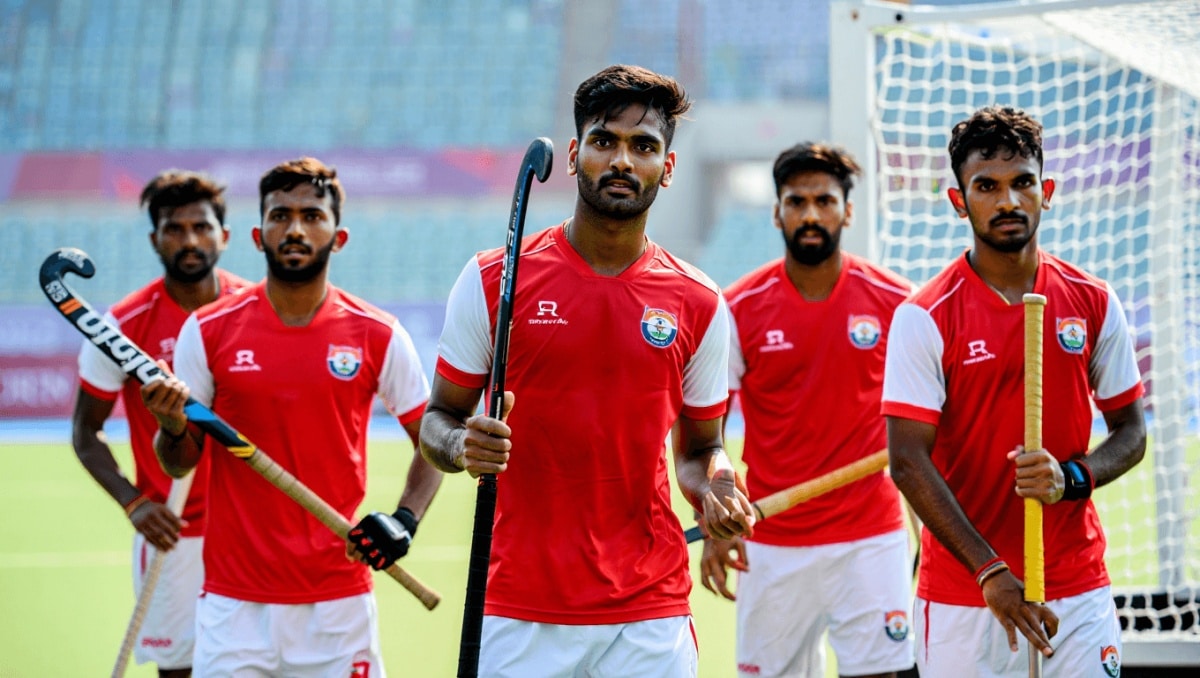
A small contingent of Indian hockey players outside the current national squads will head to Australia this autumn to compete in the professional Hockey One league, a timing that could influence preparations for the upcoming World Cup and Asian Games. The move offers extended competitive minutes and exposure to a contrasting playing culture at a moment when match-readiness matters most.
The Melbourne Cobras franchise has confirmed four Indians for its October–November campaign: two women and two men. The club has also named former internationals as team ambassadors, signaling a focused effort to build bridges with the Indian hockey community in Australia.
Players, roles and quick facts
| Player | Team | Category | Notes |
|---|---|---|---|
| Kanika Siwach | Melbourne Cobras / Mentone HC (club) | Women | Junior World Cup participant; spent over a month playing in Australia |
| Udita | Melbourne Cobras | Women | 138 international caps; last seen during World Cup qualifiers in Hyderabad |
| Gurjant Singh | Melbourne Cobras | Men | Signed for the Cobras’ men’s roster |
| Mohammed Raheel Mouseen | Melbourne Cobras | Men | Joining the Cobras for the Hockey One season |
| Ambassadors: Rupinder Pal Singh and Rani Rampal | |||
Why this matters now
The Hockey One schedule — roughly two months long — provides far more sustained competitive exposure than short domestic tournaments, giving players the chance to sharpen match fitness and tactical awareness ahead of major international events. For those not currently in national plans, the league is both a proving ground and a learning environment.
- Extended playing time against professional opposition can accelerate development and readiness for big tournaments.
- Direct immersion in a different hockey culture highlights tactical and conditioning contrasts that players can bring back home.
- Stronger club systems and longer seasons offer insights into recovery, teamwork and structured preparation.
Voices from the field
Kanika, who has international junior experience and has been playing in Melbourne’s local competition, described the move as a deliberate push away from familiar routines. She said adapting to new teammates and a different day-to-day structure was part of testing herself professionally.
Udita, with more than a hundred senior caps and recent involvement in World Cup qualifiers, noted the practical benefits of a lengthier league: more training cycles, exposure to varied coaching methods and the chance to observe consistent team systems over weeks instead of days.
Former drag-flick specialist Rupinder Pal Singh highlighted the rarity of such chances for Indian players: overseas league experience is limited, he said, and those who do go abroad return with fresh tactical ideas and preparation techniques that could strengthen the domestic pool.
Coaches and selectors often view these stints as value-added learning; the real test will be whether the players translate overseas lessons into higher-performance standards when they return to India.
Broader context and potential impact
Australian hockey is widely regarded as physically demanding and highly team-oriented. Players who spend time there often report faster tempo, greater emphasis on collective systems and structured training periods. That contrast with the Indian emphasis on individual skill development can prompt players to broaden their tactical palette.
With the World Cup and Asian Games on the calendar, this timing could matter for Indian hockey both at an individual and systemic level: improved match sharpness for returning players, and the gradual cross-pollination of training ideas between systems.
Whether these short-term stints translate into long-term changes in selection or domestic approaches depends on how effectively players and coaches integrate the experience into their routines back home.