Show summary Hide summary
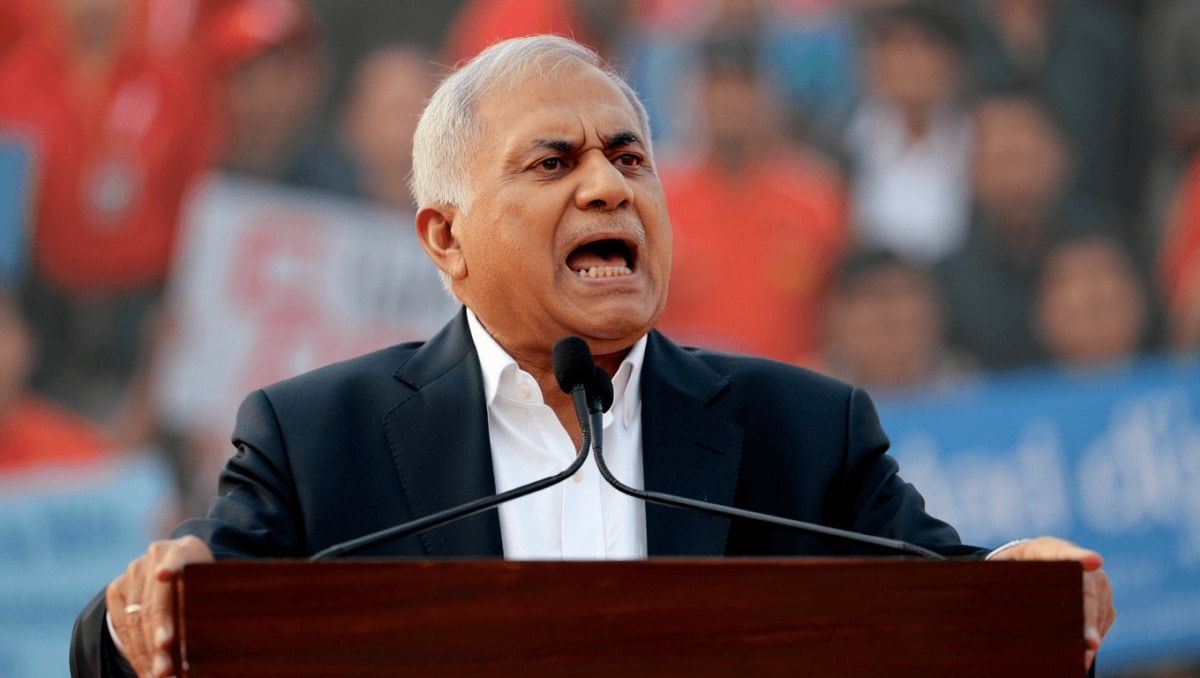
Senior leader Madani on July 18 accused political rivals of stoking the dispute over the name of Jauhar University, arguing the row has little to do with campus affairs and everything to do with electoral strategy. His intervention spotlights a wider debate over symbolism, history and politics at a time when educational institutions are increasingly drawn into public controversies.
Speaking to reporters, Madani defended the university’s name as a tribute to Maulana Mohammad Ali Jauhar, describing him as a major figure in India’s independence movement and a person whose legacy belongs in the public domain. He said attempts to convert the naming into a political issue were deliberate and aimed at polarizing opinion ahead of forthcoming local and national contests.
What Madani said and why it matters
Annamalai applauds Bhagwat’s message on Muslim inclusion in India
Navratri in Times Square goes viral: social media splits over Indian celebrations abroad
Madani framed the controversy as manufactured, asserting that critics were seeking short-term political gain rather than engaging with the institution’s academic mission. He called for the debate to be taken out of partisan channels and resolved through dialogue involving university authorities, alumni and local stakeholders.
For students, faculty and residents near the campus, the dispute has immediate implications: name controversies can affect funding decisions, campus climate and public perception of an institution’s independence. Observers say prolonged disputes also risk distracting university leadership from academic priorities and student welfare.
Background: who was Jauhar?
Maulana Mohammad Ali Jauhar (commonly referred to simply as Jauhar) was a prominent leader in the early 20th-century anti-colonial movement. He played a significant role in the Khilafat and nationalist campaigns and is remembered for his journalism and political activism. Naming an educational institution after him is intended by supporters to honor that heritage.
- Madani’s main points: The naming honours a freedom fighter; the controversy is politically driven; stakeholders should seek calm, practical solutions.
- Opposition concerns: Critics say symbolic decisions should reflect broader community consent and warn against unilateral moves that might alienate sections of the public.
- Immediate effects: Heightened media attention, social media debate, and calls from some quarters for administrative review or public consultation.
Neither side in the dispute has suggested immediate legal action in public statements, but legal challenges remain a possible avenue if consensus cannot be reached. University officials so far have urged restraint, focusing on internal governance processes and appeals to maintain campus order.
Political context and the road ahead
In recent years, the naming of public institutions has become a recurrent flashpoint in political discourse. Parties and activists use such issues to mobilize supporters, test public sentiment and shape electoral narratives. That pattern helps explain why a decision about a university’s name can quickly escalate into a national talking point.
How this specific row evolves will depend on several factors: whether university authorities engage proactively with critics, whether local political leaders choose to defuse or amplify tensions, and whether civil society groups step in to mediate. For now, Madani’s intervention has shifted the conversation toward questions of intent and motive rather than the procedural details of the naming itself.
Stakeholders looking for a way forward have a narrow set of practical tools: convene a representative consultative body, publish the criteria used for the naming, or agree to a time-bound review process that prioritizes transparency. Each option carries political calculations as well as administrative consequences.
As the story develops, the core questions remain: should historical commemoration be insulated from contemporary politics, and who gets to decide which figures are honored by public institutions? The answer will shape not only this university’s future but also how communities across the country negotiate memory and identity in public life.