Show summary Hide summary
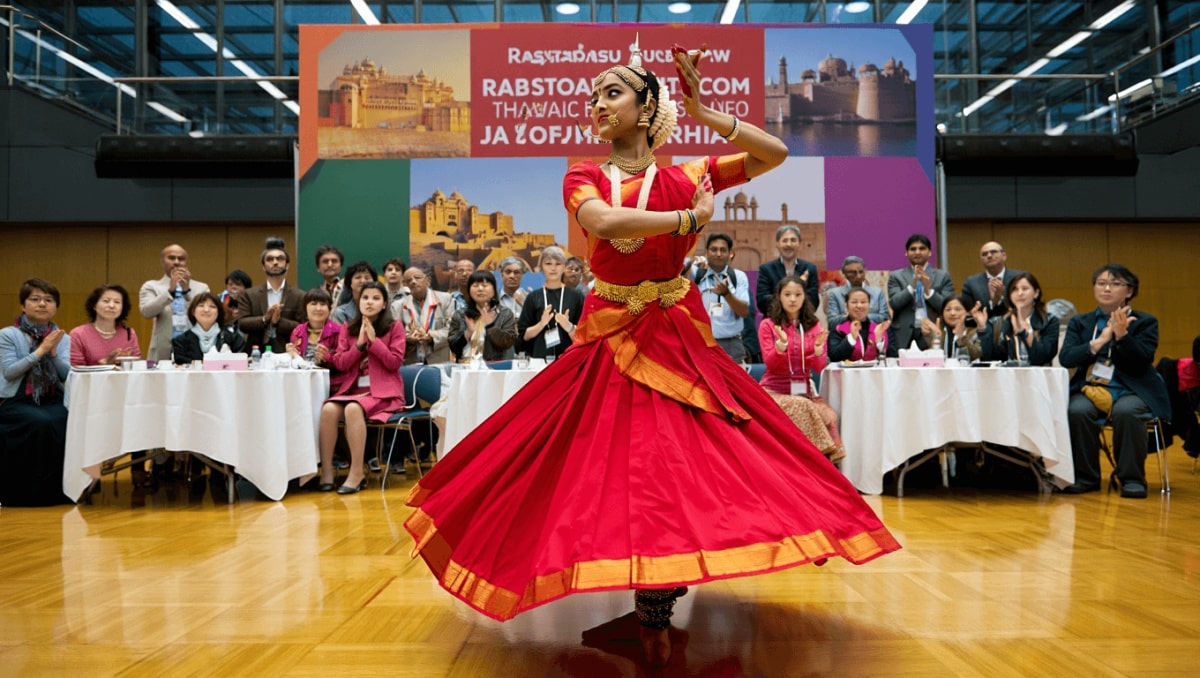
On July 20, 2026, Rajasthan staged a high-profile roadshow in Tokyo aimed at attracting Japanese travellers and travel industry partners to India’s desert state. The event combined cultural showcases, meetings with tour operators and hoteliers, and targeted pitches about heritage travel—an effort that organizers say seeks to convert interest into bookings for the coming winter season.
The delegation, led by Rajasthan Tourism and key private-sector players, presented a curated portfolio of experiences—from palaces and forts to wildlife safaris and desert camps—positioning the state as a short‑haul luxury and cultural escape for Japanese visitors.
What the roadshow delivered
Annamalai applauds Bhagwat’s message on Muslim inclusion in India
Navratri in Times Square goes viral: social media splits over Indian celebrations abroad
The Tokyo programme mixed formal presentations with immersive elements: live Rajasthani music, a brief puppet performance, and a display of local crafts and textiles. Organizers also held B2B sessions with Japanese travel agencies and luxury tour specialists, aiming to build product pipelines for 2026–27.
- Delegation: state tourism officials, representatives from major heritage hotels, and handicraft exporters.
- Target markets: luxury and cultural travellers, MICE (meetings, incentives, conferences, exhibitions) planners, and niche interest groups such as film-location tourists.
- Experience highlights shown: Jaipur’s palaces, Udaipur’s lakeside hotels, Jaisalmer’s desert camps, Ranthambore safaris, and blue-city walking tours.
- Trade actions: B2B appointments, product training, and joint-marketing proposals for Japan–India flight connections.
Several Rajasthan hoteliers used the roadshow to market tailored itineraries for groups and high‑net‑worth travellers, emphasizing conservation-focused game drives and boutique, family-run properties. Local craft exporters sought to expand retail partnerships in Tokyo boutiques that cater to premium homeware and fashion buyers.
Why this matters now
Japan ranks among the higher‑spending outbound markets for cultural tourism, with travellers often booking longer stays and preferring curated experiences. For Rajasthan, converting Japanese interest into confirmed arrivals could support the state’s recovery and diversification of visitor geography after years of pandemic disruption.
Inbound tourism from East Asia has particular earnings potential: higher per‑capita spend, off‑season travel patterns and repeat visitation linked to cultural affinity. Strengthening ties with Japanese tour operators can also open routes for Indian hospitality brands to gain visibility in a competitive market.
The roadshow also has diplomatic resonance. Cultural outreach events feed into broader people‑to‑people connections that underlie economic and transport agreements—factors that matter to airlines and regional planners when they consider new or expanded flight services.
Takeaways for travellers and industry
For Japanese travellers thinking about Rajasthan, the roadshow highlighted practical shifts: more English-speaking guides trained for Japanese visitors, bespoke small‑group itineraries, and an emphasis on experiential stays rather than crowded itineraries.
- Travel options: Shorter luxury circuits (3–6 days) combining Jaipur, Agra and Udaipur; longer cultural routes including Jodhpur and Jaisalmer.
- Sustainability: Growing focus on wildlife protection fees, community‑run tourism and low‑impact desert camps.
- Timing: Peak interest window is November–March; winter bookings were a principal target of the Tokyo events.
From an industry perspective, the most tangible outcomes will be measured in signed distribution deals, scheduled fam trips for Japanese agents, and joint promotions that link Rajasthan packages to Asian flight networks.
Challenges and next steps
Roadshows raise awareness, but converting leads into arrivals requires follow-through. Stakeholders cited the need to streamline product pricing, ensure consistent quality standards, and coordinate calendar‑level promotions to capitalize on seasonal windows.
Officials said they will pursue follow-up meetings with Japanese partners and plan product training sessions for agents to make bookings easier. They also flagged potential collaborations with airlines and rail operators to improve connectivity and seamless travel experiences.
Rajasthan’s Tokyo push is a reminder that destination marketing now operates on multiple fronts: spectacle and story‑telling to capture attention, and detailed trade engagement to turn that attention into trips. For travellers, the immediate implication is a broader range of professionally packaged options; for the state, it is an opportunity to deepen economic ties with a high‑value market that rewards quality and authenticity.