Show summary Hide summary
Across temple halls and street festivals from Port of Spain to suburbs of the United States, a brief devotional hymn continues to anchor memory and identity for Hindu communities. As the U.S. marks 250 years, the persistence of the Hanuman Chalisa illuminates how devotional practices carried by migrants remain living threads in public life today.
How a 40-verse hymn traveled with people
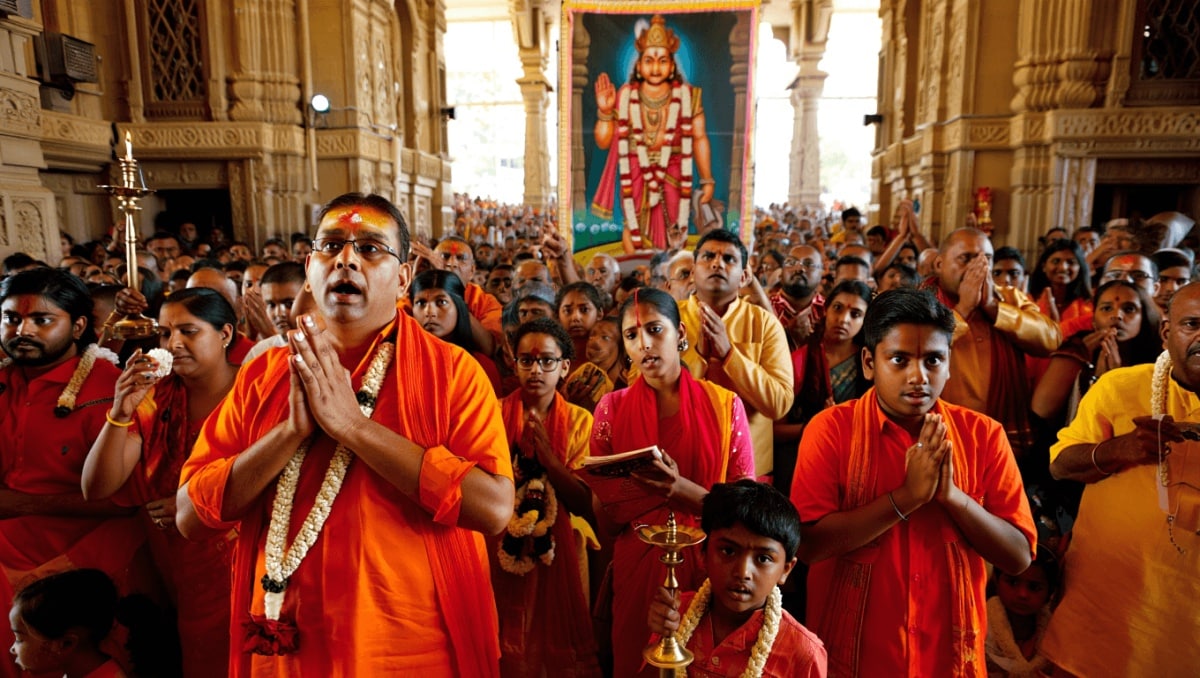
When crowds in Trinidad rose in unison to sing a prayer to Lord Hanuman, observers saw more than a religious ritual: they witnessed generations of faith sustained through migration. Songs such as the Hanuman Chalisa have accompanied South Asian laborers, traders and their descendants across oceans, becoming tools of solace and communal memory in new homelands.
Annamalai applauds Bhagwat’s message on Muslim inclusion in India
Navratri in Times Square goes viral: social media splits over Indian celebrations abroad
The hymn’s appeal is practical as well as spiritual — short enough to be memorized, rhythmic enough for group chanting, and focused on qualities that many communities prize during hardship: courage, clarity and protection.
The poet behind the lines
Tulsidas, the medieval poet-saint who lived in North India five centuries ago, is credited with composing the Chalisa. Born in the Gangetic plain and shaped by both loss and religious training, his life combined scholarly study and intense devotion.
After early struggles and a period of wandering, Tulsidas became a disciple in the Ramananda tradition and later settled in places such as Varanasi and Chitrakuta. He wrote in the local vernacular so the epic story of Rama could reach ordinary people, producing the widely read Ramacharitmanas.
Accounts of his life include a turning point in which an episode of personal failing and a later mystical encounter redirected his energies toward devotional practice. Those experiences, tradition holds, led him to write short hymns and longer narratives intended to bring spiritual experience within reach of common devotees.
Why Hanuman — and why a hymn?
Hanuman occupies a unique role in the Ramayana cycle: not only a servant of Lord Rama but also a model of strength, intelligence and selfless service. The Chalisa addresses Hanuman as the one who clears obstacles and helps seekers approach the divine.
According to devotional accounts, Tulsidas credited Hanuman with facilitating his own visions of Rama. Whether read as metaphor or miracle, that relationship explains why a Rama-focused poet would compose a hymn addressed to Rama’s loyal attendant: Hanuman is framed as the accessible bridge to the deity for ordinary people.
- Author: Tulsidas (16th–17th century, North India)
- Form: A 40-verse devotional hymn intended for recitation
- Language: Originally composed in a vernacular dialect to reach a wide audience
- Themes: courage, devotion, protection, removal of obstacles
- Social role: used in private prayer, public chanting, rites of passage and community gatherings
These features — brevity, clarity and emotional directness — help explain the Chalisa’s endurance across centuries and borders.
What it means in today’s public sphere
Devotional texts like the Chalisa are not merely liturgical artifacts. They function as cultural anchors, shaping how communities narrate their histories and present themselves in plural societies.
For diasporic groups, communal recitation can reinforce language, transmit values, and provide a shared experience that bolsters resilience in the face of economic or social pressures. At the same time, such practices foster intergenerational ties: grandparents who remember the hymn in a homeland language can pass it to grandchildren growing up in another country.
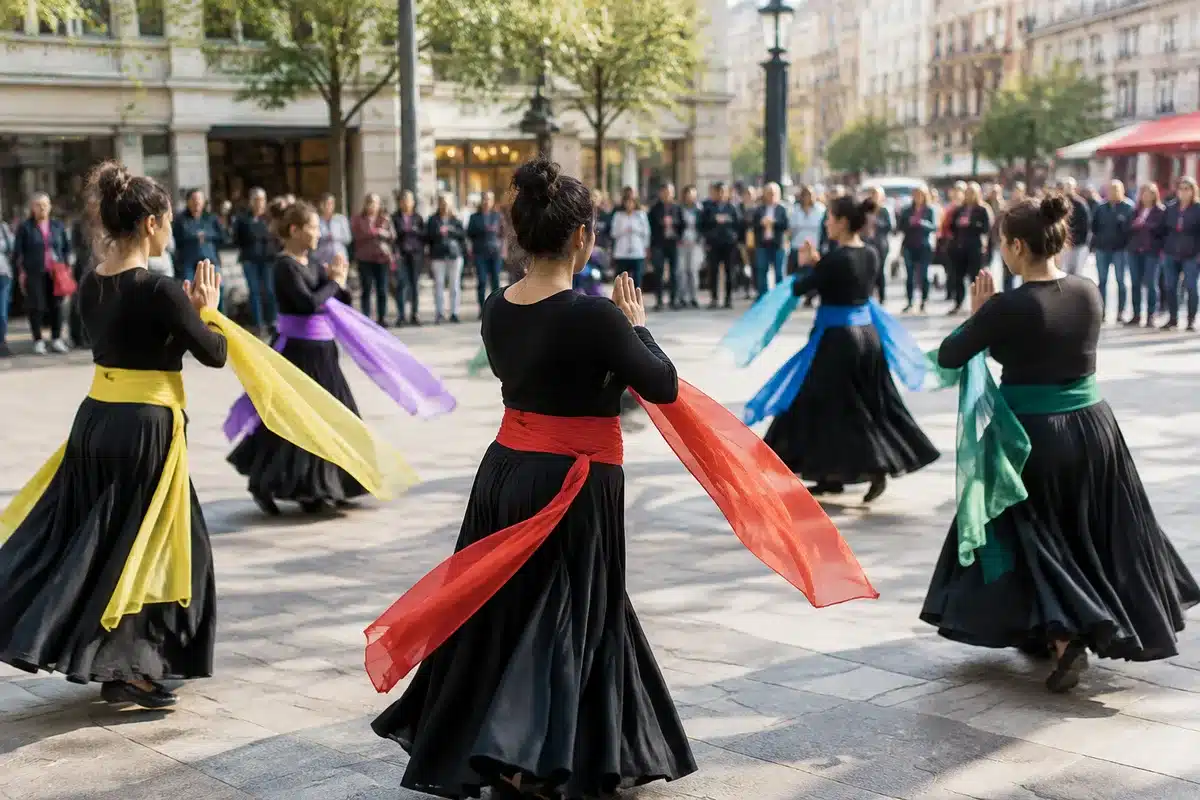
Public performances and festivals also invite non-Hindu neighbors to witness and sometimes participate, creating everyday encounters that matter for social cohesion and mutual understanding.
Continuity without dogma
The Chalisa’s continuing presence — in temple gatherings, online playlists, and family rituals — illustrates a broader pattern: religious expressions adapt to new contexts but often retain a recognizable core. That adaptability helps sustain faith traditions without requiring rigid institutional structures.
For those curious about the hymn’s practical uses today, here are common contemporary settings where it appears:
- Morning or evening family prayers at home
- Collective chanting at temples and community centers
- Festival processions and diaspora cultural events
- Recordings used for meditation, stress relief and focus
These practices underline a simple point: short devotional texts can have long cultural lives.
As communities mark anniversaries and public milestones — including national ones that prompt questions about belonging — rituals such as the recitation of the Hanuman Chalisa offer a lived example of how faith, memory and migration intersect. They are reminders that religious traditions carried in private homes often have public consequences for identity and social life.