Show summary Hide summary
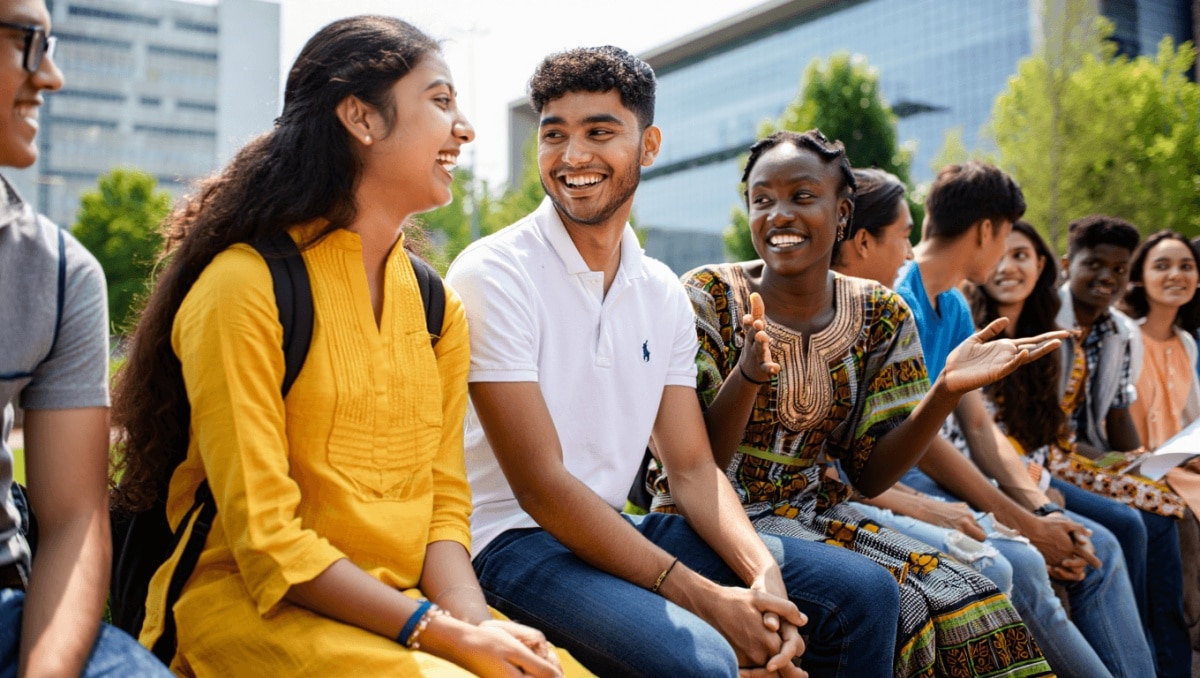
Thousands of international students have made Bengaluru and other Karnataka campuses their temporary homes, and their experiences now shape how these universities function as cross-cultural spaces. With nearly 8,000 overseas students enrolled across the state, the ways they build support networks, find work, and adapt to city life have immediate implications for campus life and local policy.
From quiet hometowns to a fast-moving city
For many newcomers the adjustment is stark. Lungelo Nxumalo arrived from Mbabane in Eswatini and found Bengaluru’s noise, traffic and pace a world away from the mountain-ringed communities he grew up in. What helped him settle was not the campus facilities but the friendships formed with classmates — social ties that turned a hectic city into a place that felt livable.
Annamalai applauds Bhagwat’s message on Muslim inclusion in India
Navratri in Times Square goes viral: social media splits over Indian celebrations abroad
Similarly, Jayesh Rajbhandari, who hails from Kathmandu’s Newar community, initially felt out of place. He says joining university activities and adventure-based training — including a rappelling exercise that pushed students out of their comfort zones — was a turning point for meeting peers and building confidence.
How connections are made
Student groups, cultural events and online forums are the usual entry points. Many institutions host orientation programs and festivals where food, music and dance become shared languages. Informal gatherings — coffee meet-ups, hostel movie nights and weekend outings — often have more staying power than official events.
For Shravan Bagavadeeswar, who grew up in Dubai, social media helped him discover Bangalore’s arts venues, pottery workshops and jazz bars; these encounters broadened his social circle to include students from France, the UK, Papua New Guinea and Australia. Third-year BCA student Sunday Innocent Oluwadamilare says such interactions boost both personal growth and academic collaboration.
Organised support and campus life
Several student-led structures are designed to knit the international community together. A local chapter of the Federation of International Students’ Associations (FISA), supported by the Indian Council for Cultural Relations, acts as an umbrella body connecting different international student associations and organising cultural days, competitions and service projects.
The federation’s leaders stress inclusion and career development as priorities. According to student representatives, events like an International Students’ Cultural Day and commemorations focused on peace provide platforms for intercultural exchange and civic conversation.
Universities themselves are diverse: Bangalore University records students from Iran, Sri Lanka, Bangladesh and Nepal, while Christ (Deemed to be University) hosts over 500 international learners. Student counsellors and international offices say this diversity enriches classroom discussion and helps develop global perspectives among domestic students as well.
Everyday adjustments and practical hurdles
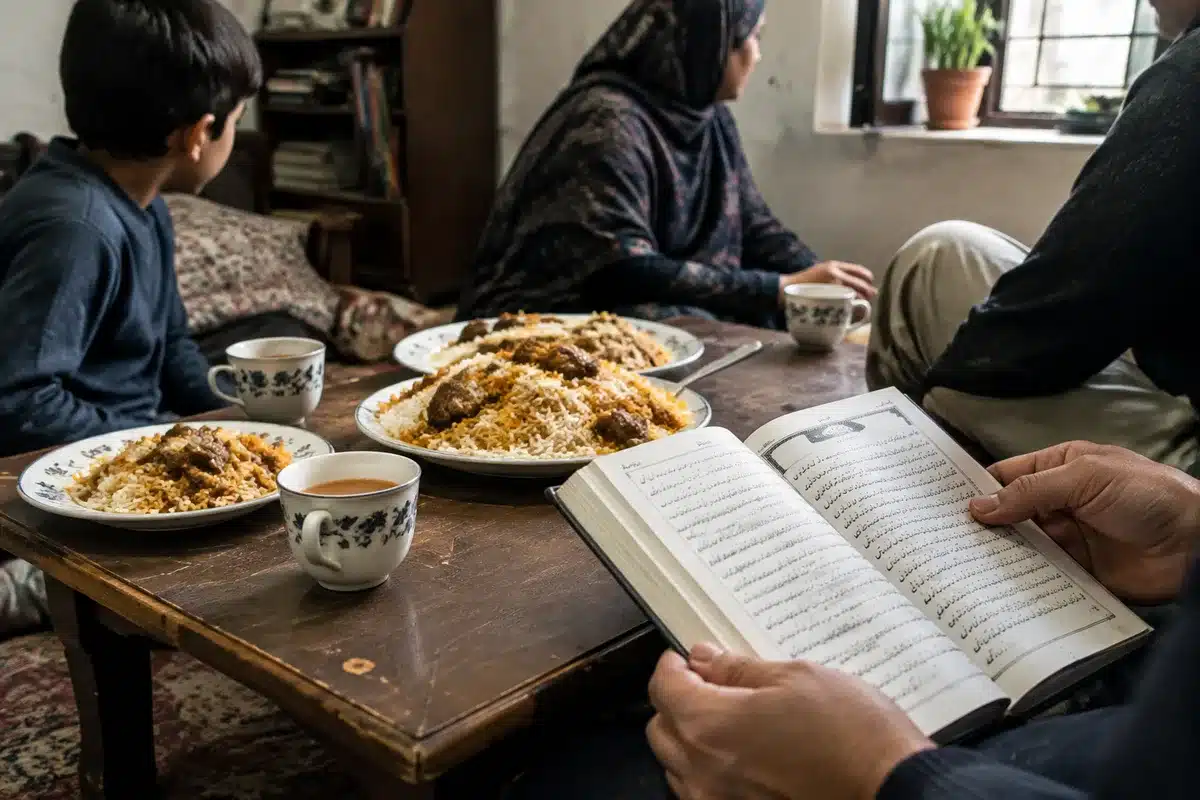
Adapting to local food, climate and social norms is part of the experience. Salim Al-Hinai, who came from Oman, now enjoys Indian dishes like biryani after initially finding them too spicy. Others note that curiosity from locals — questions about language or appearance — can come across as friendly rather than intrusive.
But the practical realities of staying on after graduation are a major concern. Many international students hope to gain Indian work experience, yet current visa rules and employment pathways limit those opportunities. That mismatch between aspiration and legal frameworks affects career planning and may influence whether students choose to remain in India after their studies.
- Community: Peer networks provide housing tips, emotional support and study partnerships.
- Cultural exchange: Festivals and campus activities enable mutual learning and celebration.
- Mental health: Friendships and student groups reduce isolation and help with homesickness.
- Visa restrictions: Limited post-study work options constrain career paths for many graduates.
- City navigation: Social media and student clubs help newcomers discover off-campus life.
What this means going forward
The presence of thousands of international students is more than a demographic footnote: it affects classroom dynamics, local economies and how host institutions are perceived globally. Universities that invest in targeted support — from counselling and career guidance to streamlined administrative help — can increase retention and enhance the educational experience for all students.
At the same time, policymakers face pressure to reconcile immigration rules with the economic and intellectual benefits international graduates can provide. For students, the balance between short-term adaptation and long-term career plans will shape whether India remains a destination for global talent.
Back on campus, personal stories underscore the human side of these policy and institutional questions. Aakriti KC from Nepal says her idea of “home” has expanded to include friends she met here; others describe museum visits, long conversations over coffee and shared meals as the moments that turned acquaintances into family. Those everyday interactions — small, unpolished and persistent — are what ultimately define the international student experience in Bengaluru.