Show summary Hide summary
Families navigating rites of passage often ask the same practical question: when is the right time to hold an Upanayana? This ancient ceremony — a formal investiture into study and community responsibilities — has clear traditional markers, but contemporary life and regional customs mean timing is increasingly flexible and meaningful in new ways.
What the ceremony marks and why timing matters
The Upanayana is traditionally the ceremony that marks a youth’s formal introduction to Vedic study and social duties, symbolized by receiving the yajnopavita or sacred thread. The moment chosen for the rite carries religious, familial and practical consequences: it affects educational schedules, the child’s social role within the family and how communities read observance of custom.
Annamalai applauds Bhagwat’s message on Muslim inclusion in India
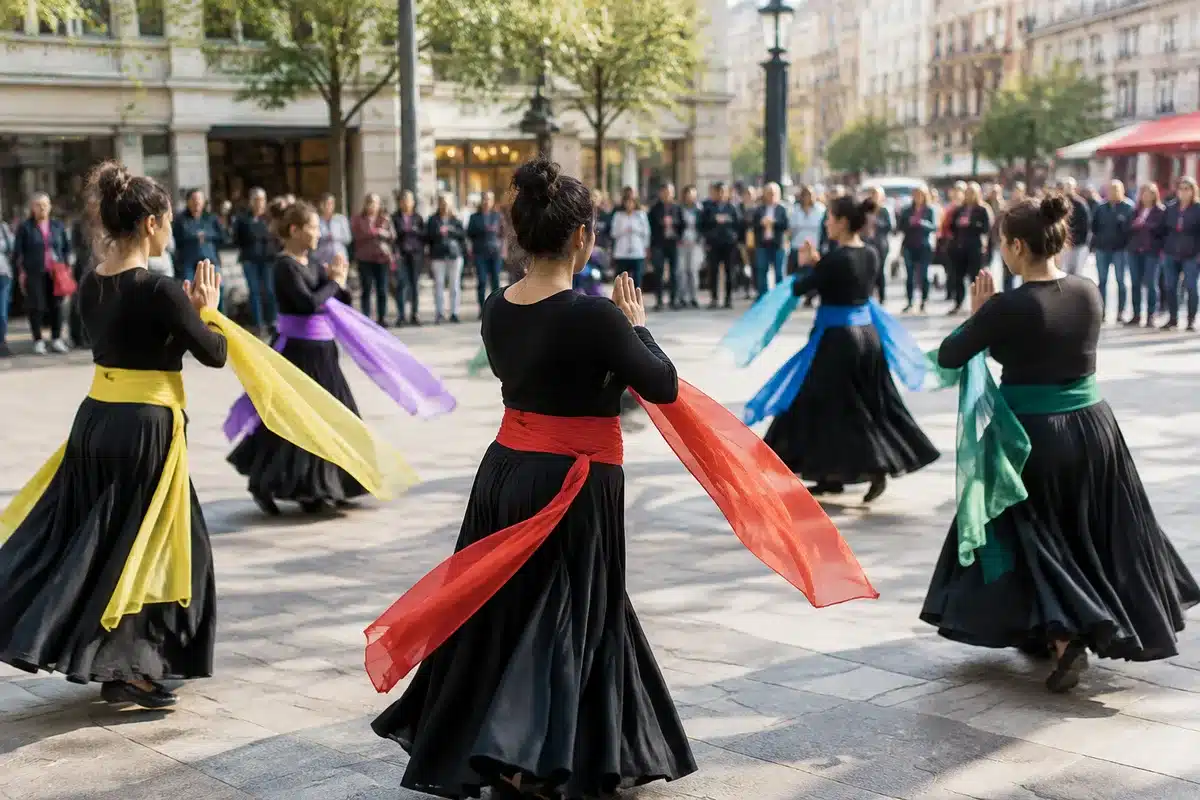
Navratri in Times Square goes viral: social media splits over Indian celebrations abroad
In modern households the question of timing is not purely ritualistic. Parents weigh school calendars, the child’s readiness, health, and in many places a growing preference for waiting until the young person can express consent. That combination of tradition and contemporary life has turned timing into a negotiation rather than a fixed rule.
Traditional guidelines — and how strict they are
Classical texts and caste-based customs laid out age ranges tied to social groups, but those prescriptions have always been interpreted through local practice. Broadly speaking, communities have used approximate ages rather than a single fixed date:
- Brahmin communities historically favored early rites, often between roughly 7 and 16 years of age.
- Kshatriya and warrior families typically scheduled the rite later than for Brahmins, commonly in early adolescence.
- Vaishya families have tended to select ages that align with the apprentice stage for trade and learning.
- Many communities that did not observe varna-based timing have developed their own local norms or now choose ages based on family preference.
These are working conventions rather than immutable laws. Across India and the diaspora you will find families who perform Upanayana earlier or much later, and some who skip traditional timing entirely in favor of alternative rites of passage.
Muhurta, astronomical factors and seasonal considerations
When religious authorities are consulted, timing often hinges on a chosen muhurat—an auspicious moment determined by horoscope, lunar phase and local ritual calendars. Common factors include the child’s birth chart, avoidance of inauspicious periods (for example eclipse times or specific lunar days), and alignment with temple schedules.
That said, many families prioritize practical scheduling: weekends, school vacations, and availability of elder relatives. Ritual experts increasingly balance astrological recommendations with modern constraints, producing hybrid approaches that meet both spiritual and logistical needs.
Who else receives Upanayana today?
Historically, the rite was associated with boys from certain communities. Over the past few decades that has shifted in many regions:
- Some families now include girls or perform a parallel investing ceremony, reflecting wider social changes and local custom.
- Other communities maintain the traditional gender-based practice, while adapting age and ceremony details to contemporary life.
Because practices vary so widely, the question of who is eligible and when is best resolved through local community elders, priests or family consensus rather than a single nationwide rule.
Practical checklist for families planning an Upanayana
- Confirm local family or community expectations about age and format.
- Consult a priest or knowledgeable elder to discuss auspicious dates and any astrological input.
- Consider the child’s own readiness and, where appropriate, their consent.
- Plan around school and work calendars to ensure elder relatives can attend.
- Arrange necessary ritual items: the yajnopavita, ceremonial threads, and any offerings required by your tradition.
- Decide whether the rite will follow a traditional sequence or a simplified, family-centered version.
What this means for families today
Choosing when to perform an Upanayana now often reflects a family’s broader approach to tradition: strict observance, selective adaptation, or reinterpretation. For many, the ceremony remains a meaningful cultural milestone; for others, it becomes an occasion to reaffirm family ties while accommodating modern priorities.
Practical flexibility—balancing auspicious timing with school, health and consent—has become the prevailing trend. Consulting community elders and religious advisers remains useful, but increasingly families make a deliberate, informed decision that respects both heritage and present-day realities.
If you are planning this rite, start conversations early with elders and ritual guides, weigh the child’s readiness, and build a plan that honors the ceremony’s significance without sacrificing well-being or participation. The most enduring outcome is a rite that resonates genuinely for the individual and the family, whatever date you settle on.