Show summary Hide summary
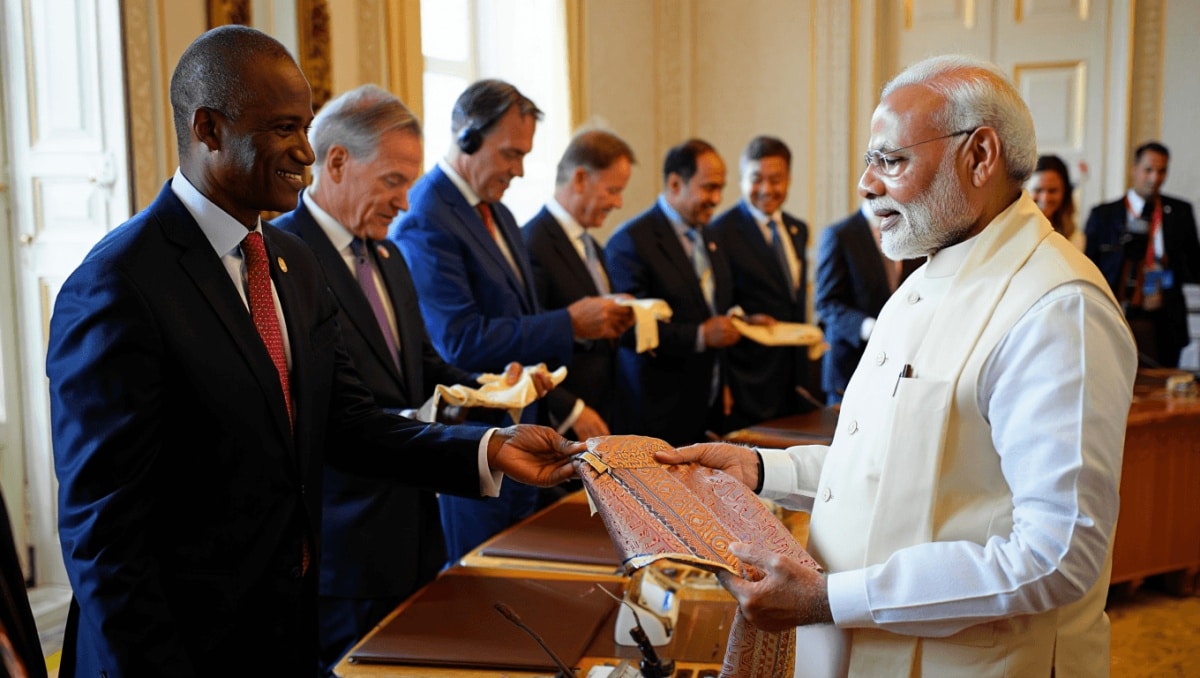
At the recent G7 Summit, Prime Minister Narendra Modi presented handwoven Banarasi silk stoles to visiting heads of state, turning a regional textile into a global talking point. The move put India’s centuries-old weaving craft on an international stage and raised immediate questions about cultural diplomacy, market access, and the livelihoods of Varanasi’s artisan families.
A showcased craft with modern stakes
The stoles—produced in and around Varanasi—are celebrated for their fine silk, elaborate metallic thread work and floral motifs. Far from being a mere ceremonial gift, the gesture signals how traditional handicrafts can be mobilized as diplomatic tools and commercial assets.
Annamalai applauds Bhagwat’s message on Muslim inclusion in India
Navratri in Times Square goes viral: social media splits over Indian celebrations abroad
Banarasi weaving carries a long history, preserved through family workshops and passed down across generations. Today it supports thousands of households, and its visibility at a summit of major economies could translate into new interest from buyers, designers and cultural institutions abroad.
What the GI tag means here
Banarasi silk holds a Geographical Indication (GI) tag, which legally links the product’s identity and quality to its place of origin. That label aims to protect the craft from imitation and to help producers command higher prices—but enforcement and supply-chain traceability remain practical challenges.
- Regional authenticity: GI ties the fabric’s characteristics to Varanasi’s weaving techniques and materials.
- Economic protection: The tag can deter counterfeit goods and support market premiums for genuine pieces.
- Branding opportunity: High-profile exposure can raise consumer awareness and demand internationally.
- Implementation gap: Benefits depend on consistent quality control and legal safeguards against misuse.
Beyond symbolism: real-world implications
Experts say gifting such stoles serves more than ceremonial diplomacy. It helps amplify India’s “Vocal for Local” narrative and could open export channels for small producers. For weaver communities, increased demand may mean higher incomes—but only if supply chains, pricing structures and protections are strengthened.
Padma Shri recipient Rajni Kant, who has been involved with GI initiatives, described the move as a step toward wider recognition of India’s protected products. He argued that such visibility helps position traditional goods as part of the country’s cultural and economic outreach.
At the same time, scaling production to meet new interest risks diluting artisanal quality unless training, raw-material sourcing and quality checks keep pace. Maintaining the balance between tradition and demand will be crucial if the attention from the G7 translates into lasting benefits.
Where this could lead
For policymakers and industry stakeholders, the immediate task is practical: translate diplomatic visibility into tangible gains for artisans. That means stronger GI enforcement, easier market access, investment in skills and infrastructure, and partnerships with designers and exporters who value authenticity.
For consumers and collectors, the summit moment may simply renew interest in a fabric long prized for its elegance and durability. For many weavers in Varanasi, however, it offers a possible route to economic resilience—if the attention is followed by sustained support.