Show summary Hide summary
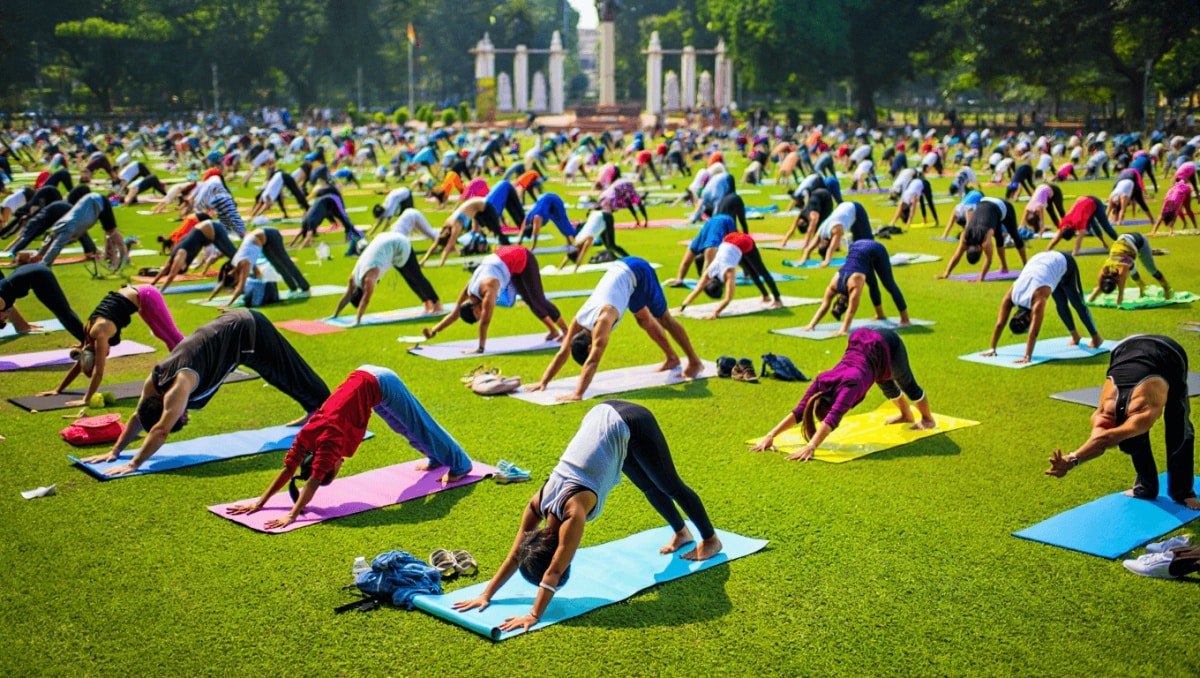
On International Day of Yoga, Kolkata’s open spaces and historic promenades filled with mat-clad residents and visitors, turning a civic ritual into a visible blend of health practice and cultural life. The city’s events—staged at parks, near colonial-era monuments and community halls—underscored both immediate wellbeing benefits and a longer-term push to make yoga widely accessible.
Yoga amid Kolkata’s landmarks
Groups gathered quietly at dawn in public greens and along tree-lined avenues, where coaches guided participants through slow sequences. Sessions took place beside familiar city backdrops, giving the practice a distinctly local flavor: the calm of pranayama exercises set against the bustle of an urban morning.
Annamalai applauds Bhagwat’s message on Muslim inclusion in India
Navratri in Times Square goes viral: social media splits over Indian celebrations abroad
Organizers deliberately chose open, prominent spots to encourage passersby to join, and many sessions included short introductions aimed at newcomers. For older adults and those with limited mobility, instructors offered modified routines that emphasized gentle stretching and balance rather than complex postures.
City, clubs and neighbourhood groups pull together
Municipal authorities, private clubs and resident associations coordinated permits, timed slots and safety measures so events could run smoothly across multiple locations. That cooperation allowed smaller neighbourhood initiatives to run alongside larger, public gatherings, creating a network of accessible options throughout the day.
Workshops and demonstrations complemented group practice: short clinics on breathing techniques and stress reduction were held in community centres, while some schools opened their grounds to families for free morning sessions.
- Accessible programming: chair yoga and gentle classes aimed at seniors and beginners.
- Community reach: neighbourhood groups and local clubs hosted pop-up sessions.
- Heritage settings: practice carried out near historic greens and promenades to connect wellness with place.
- Mindfulness focus: meditative segments and breathwork included in most schedules.
Why the day matters now
Two decisive themes emerged: health and inclusion. As urban residents confront rising stresses tied to modern city life, simple, low-cost practices such as yoga offer concrete tools for managing mental and physical wellbeing. By situating sessions in familiar public spaces, organisers lowered barriers—no gym membership required, no prior experience necessary.
Beyond immediate health benefits, the event also reinforced a civic narrative: public space as a venue for everyday wellness. For Kolkata, where communal life and cultural expression have long been intertwined, today’s gatherings reaffirmed the role of collective routines in city life.
Voices from the day
Participation ranged from early-rising office workers to parents with young children and neighbourhood pensioners. Many attendees appreciated the practical focus—short, repeatable sequences and breathing techniques they could use at home or work.
Some community centres used the day to launch regular weekly classes aimed at vulnerable groups—those recovering from illness or coping with long-term stress—highlighting a shift from one-off events toward sustained programming.
Looking ahead
The momentum from the International Day of Yoga in Kolkata has potential policy implications. When municipal planners and civic groups observe strong turnout for low-cost public wellness initiatives, it can prompt expanded support for similar programming—more open-air classes, concessional use of parks for health activities, and partnerships with neighbourhood organisations.
For residents, the takeaway was immediate and practical: accessible tools for stress reduction, improved mobility and a reminder that public spaces can host activities that strengthen both individual health and social bonds. As the city moves beyond the single-day observance, the test will be whether this surge of interest converts into ongoing, inclusive opportunities for practice.