Show summary Hide summary
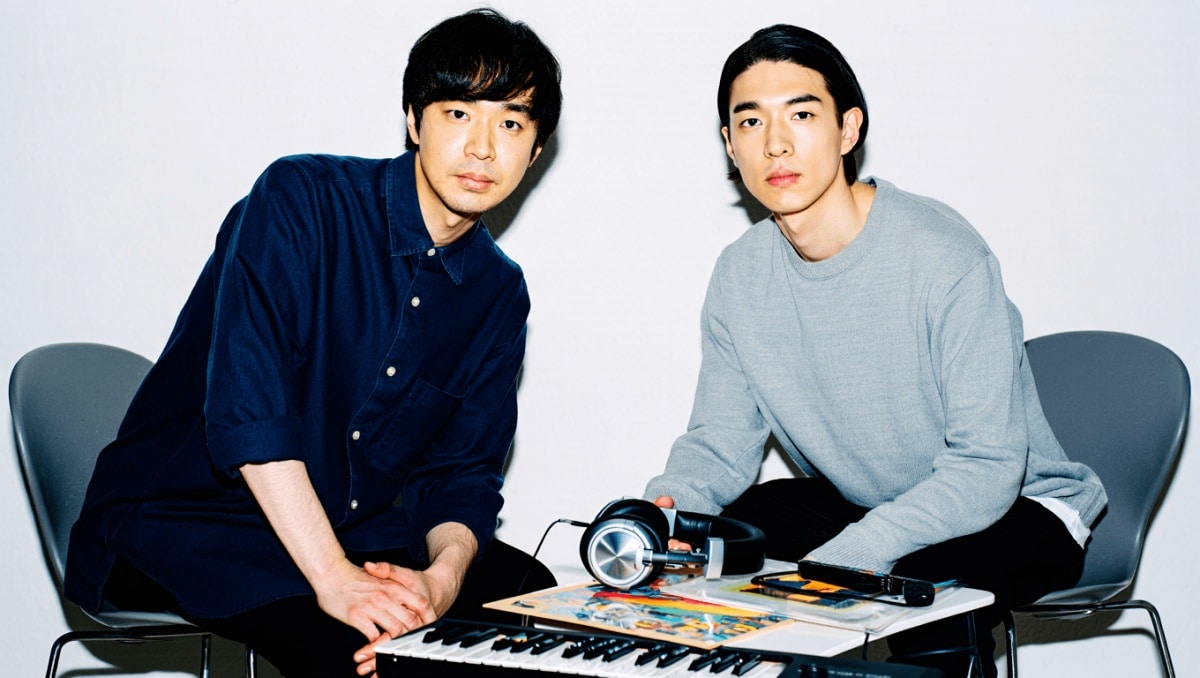
As they mark two decades of work at the crossroads of Indian classical traditions and global electronica, pioneering duo Midival Punditz are reasserting a simple but urgent point: the cultural value of music depends on how creators use technology, not on the technology itself. Their message arrives amid growing debate over artificial intelligence in the arts and as India’s electronic scene reaches new audiences at home and overseas.
Why this matters now
The discussion over AI in music has shifted from novelty to consequence. For Midival Punditz, the key question is practical: does a technology amplify human expression or does it erase the choices that give music its meaning? Their position reframes the risk away from machines and toward the intentions behind them.
Kashi to Kedarnath costs revealed: how much a Sawan pilgrimage will set you back
Hinduism gains ground in Africa: new communities reshape culture and commerce
The duo believes that cultural identity in music is not something that can be pasted on top of a track like a sticker; it emerges from practice, context and the decisions artists take about sound, rhythm and storytelling. That view matters for listeners, producers and platforms deciding what to promote and protect.
Players and pressures
India’s electronic music ecosystem has matured rapidly — venues, festivals, labels and online communities now sustain a wide range of artists. That growth brings fresh opportunities but also tensions: commercial formulas, algorithm-driven playlists and easy AI shortcuts can all push creators toward surface-level fusion rather than rooted collaboration.
Midival Punditz point to a middle path: use new tools to broaden creative possibilities while guarding the elements that anchor a piece in a particular musical lineage.
- Augmentation, not replacement: AI can speed up production tasks, suggest sonic ideas, or help with mixing, but it shouldn’t substitute for the musician’s interpretive choices.
- Context matters: Instruments, rhythmic cycles and vocal traditions carry histories that require care when integrated into electronic arrangements.
- Credit and ownership: As generative tools become common, transparency about sources and contributors becomes essential for cultural respect.
- Audience literacy: Listeners who understand the creative process can better value authenticity and nuance over polished, interchangeable sounds.
These points have direct implications. Platforms that surface music influence which artists find an audience. Producers who opt for generative shortcuts may get faster output, but at the cost of distinctiveness. For students and emerging artists, the choices made now will shape standards and practices for years to come.
Signs of a healthy scene
Despite concerns, the Indian electronic landscape shows clear signs of vitality. More musicians are blending regional forms with electronic production in ways that feel respectful and inventive rather than gimmicky. Cross-border collaborations and live events are reconnecting studio experiments with audiences who value both craft and atmosphere.
| Indicator | Why it matters | Where to watch |
|---|---|---|
| Festival lineups | Signal mainstream appetite for diverse electronic acts | Regional festivals and urban venues |
| Independent labels | Provide curatorial support and preserve non-commercial work | Small presses and artist collectives |
| Educational programs | Build technical skill and respect for traditional forms | Workshops, conservatories, online courses |
Midival Punditz’s stance is not a rejection of technology but a call to stewardship. For them, the creative act remains defined by deliberate human choices: what to include, what to omit, and how to situate sounds within cultural meaning.
As debates over AI and authorship intensify, their perspective reframes policy and practice: protect the contexts that give music its identity, and treat tools as extensions of human intent rather than substitutes for it. For listeners, that means paying attention not just to how a track sounds but to who shaped it and why.