Show summary Hide summary
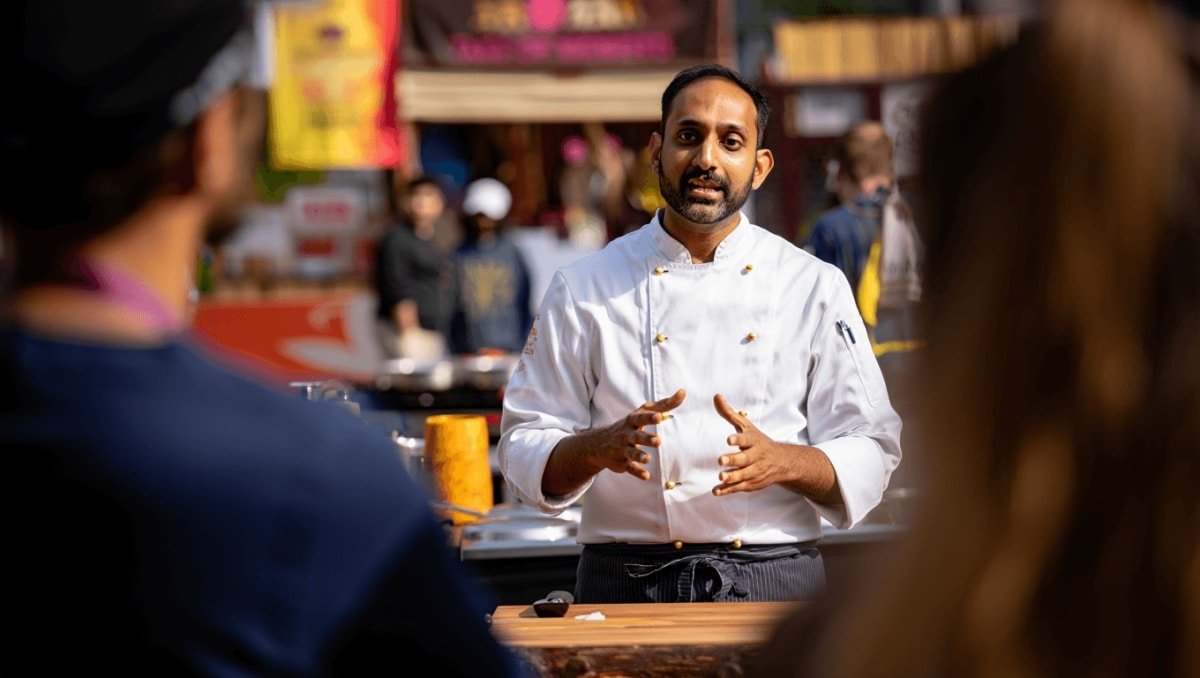
In Boston this week, Nagpur-born chef Vishnu Manohar urged an international rethink of how we eat, arguing that India’s age-old dietary practices offer practical tools for better physical and mental health. Speaking at the “Taste of Ayurveda” festival, he framed a wider push for a global dietary revolution rooted in mindful, medicine-minded cooking.
The event, organised by Omgram Ayurveda and conceptualised by Aparna Joshi, brought together members of the Indian diaspora and local food enthusiasts to explore the scientific and cultural dimensions of traditional Indian food systems. Manohar, a well-known culinary figure from Nagpur, led live demonstrations that stressed simple preparations and the health benefits of common spices and ingredients.
Food as prevention, not just fuel
Kashi to Kedarnath costs revealed: how much a Sawan pilgrimage will set you back
Hinduism gains ground in Africa: new communities reshape culture and commerce
Manohar argued that what we eat directly shapes both our bodies and moods. Rather than viewing meals purely as pleasure or sustenance, he encouraged treating everyday cooking as a form of preventive care — food that supports digestion, immunity and mental balance. His sessions showcased recipes aligned with Ayurveda and Sattvic principles, focusing on whole, minimally processed items.
Attendees responded positively to the hands-on demonstrations. Many said they were struck by the practicality of the tips: using familiar pantry staples in slightly different combinations, selecting spices for their therapeutic qualities, and prioritising seasonal produce.
What people took away
- Simple ingredients, multiple benefits: Everyday items like turmeric, cumin and ginger were presented as both flavouring agents and health-supporting elements.
- Mental and physical links: The sessions highlighted research-backed connections between diet, gut health and mood regulation.
- Accessible cooking techniques: Recipes emphasised short ingredient lists and modest preparation time, making them easy to adopt at home.
- Cultural exchange: The festival served as a bridge between traditional Indian dietary thinking and a diverse international audience.
Why this matters now: interest in functional foods and preventive health has surged worldwide since the pandemic, and many people are seeking dietary approaches that blend science with tradition. Events like Taste of Ayurveda translate ancient concepts into actionable guidance, which can influence household habits, local restaurant menus and even wellness product development.
Organisers say the festival’s goal was not to promote a single diet but to present an evidence-informed perspective on how longstanding culinary practices can support contemporary health goals. For chefs, dieticians and consumers, the takeaway was clear: modest shifts in daily cooking—guided by intention and knowledge—can have outsized effects on wellbeing.
As cross-cultural food conversations grow, proponents of traditional systems hope such gatherings will spur broader interest in nutritional prevention rather than reactive treatment. Whether that influence becomes mainstream depends on how easily these practices are integrated into busy lives—and on continued dialogue between culinary experts, healthcare professionals and the public.