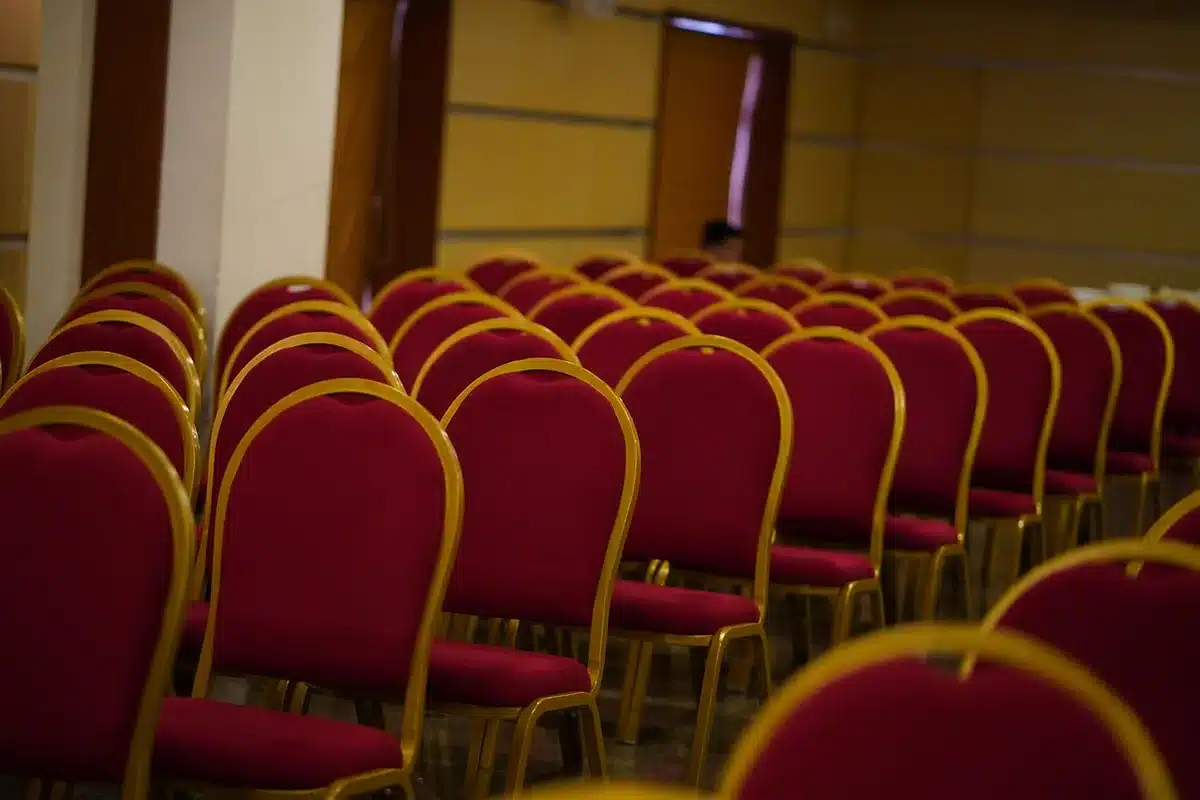
Pune will host a three-day festival of contemporary Indian cinema from Aug. 21–23, bringing ten regionally rooted films to the NFDC–NFAI Auditorium on Law College Road. The programme, curated by film critic and FIPRESCI-India president Premendra Mazumdar, spotlights movies made in languages rarely seen on city screens and frames cinema as a window into underrepresented cultural narratives.
The event is a collaboration between the National Film Development Corporation–National Film Archive of India (NFDC–NFAI), FIPRESCI–India and the Pune International Centre. Screenings are free and open to the public on a first-come, first-served basis, offering an accessible chance to encounter voices from across India’s linguistic landscape.
Japan’s temples face extinction by 2040: monks use AI to let devotees chat with Buddha
Contemporary film festival showcases 10 multilingual Indian films
Organisers say the selection aims to expand what Pune audiences normally encounter in theatres and festivals, introducing storytelling traditions tied to distinct communities and regions. Several films are in minority or regional tongues — including Mising, Karbi and Magadhi — languages native to pockets of Assam and Bihar that seldom reach mainstream distribution.
Films on the slate include works with titles such as Adamya, Feminist Fathima, Gondhal, If on a Winter’s Night, In the Name of Fire, Magazine, The Lost Path, Victoria, Whispers of the Mountains and Yakasi’s Daughter. Below is a quick reference to language representation across the programme:
| Film | Primary language / origin |
|---|---|
| Adamya | Bengali / regional |
| Feminist Fathima | Malayalam |
| Gondhal | Marathi |
| If on a Winter’s Night | Hindi |
| In the Name of Fire | Rajasthani |
| Magazine | Magadhi |
| The Lost Path | Mising |
| Victoria | Karbi |
| Whispers of the Mountains | Bengali / regional |
| Yakasi’s Daughter | Regional languages |
Who the festival is likely to interest:
- Film students and researchers seeking contemporary regional cinema
- Local audiences curious about India’s linguistic and cultural variety
- Filmmakers and critics looking to broaden their exposure beyond mainstream releases
Prakash Magdum, managing director at NFDC, described the line-up as an attempt to widen public access to cinema made outside the popular circuits, giving visibility to creative voices from different parts of the country. Dinanath Kholkar of the Pune International Centre framed the festival as cultural exchange — a forum where films can spark conversation across generations and communities.
Mazumdar said the organisers hope the series will attract a mixed audience: enthusiasts, academics, industry practitioners and the general public. The screenings are intended not just as entertainment but as starting points for discussion about contemporary social and cultural currents reflected in regional filmmaking.

Practical details: screenings run Aug. 21–23 at the NFDC–NFAI Auditorium, Law College Road. Entry is complimentary; seats are allocated on arrival. For anyone interested in newer, quieter currents of Indian cinema, the festival offers a compact, free programme worth planning around.