
Show summary Hide summary
At a packed conference in Fremont this month, community leaders, researchers and activists debated a sharply contested California bill that would broaden anti-discrimination protections to cover **caste**. With the measure still moving through the Legislature and high-profile court battles underway, participants warned the outcome could reshape how employers, schools and state agencies handle sensitive identity claims.
What happened in Fremont
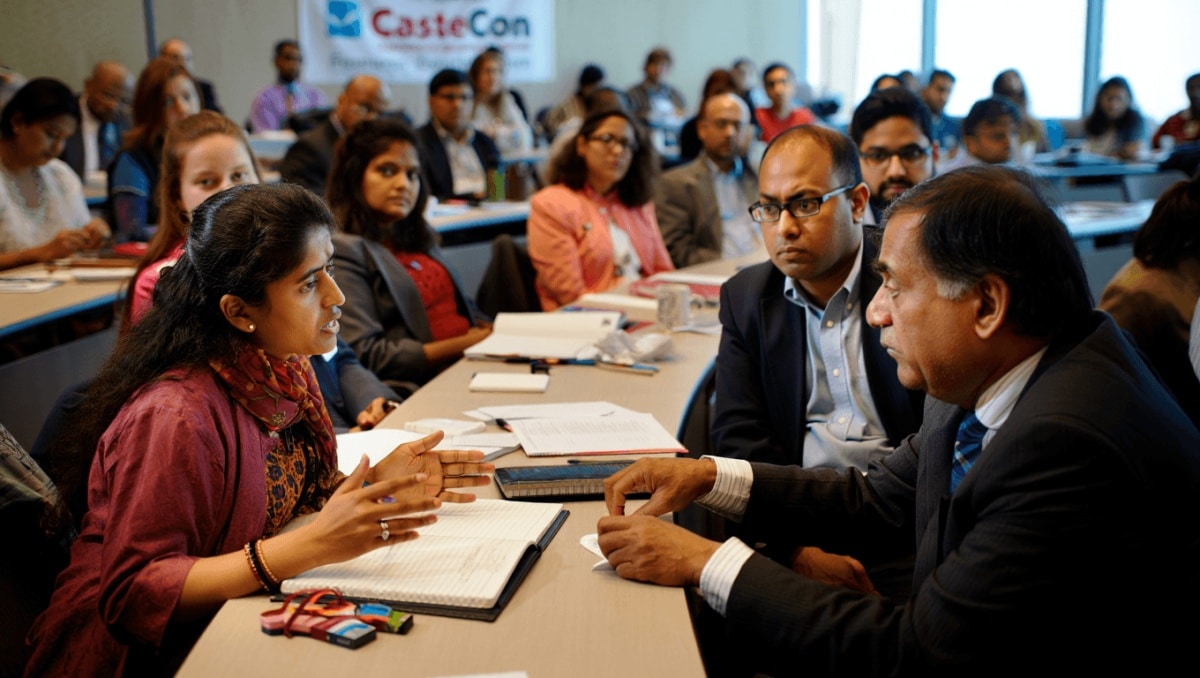
The event, billed as the first U.S. conference devoted to caste as a policy issue, drew several hundred attendees despite record summer heat. Organizers arranged panels on legislation, litigation and community impact as California lawmakers weighed amendments to Senate Bill 403.
Shah Rukh Khan used the name Abinav to ease in-law worries: Gauri adopted Ayesha during nikaah
Javed Akhtar hails Hindu festivals as cultural glue: throwback of atheist celebrating resurfaces
SB 403 was introduced by State Senator Aisha Wahab (D‑10) and initially listed caste as a separate protected category. Last month, the Assembly Judiciary Committee removed “caste” as a standalone classification and deleted a reference to “South Asian,” but kept caste within the bill’s broader definition of ancestry. Supporters say the change addresses technical concerns; critics argue it still leaves serious problems unresolved.
Arguments at the conference
Speakers represented a mix of perspectives. Some attendees described SB 403 as a necessary step to acknowledge and redress forms of discrimination that they say follow caste lines. Others disputed the scale of the problem in the United States and questioned the evidence used to justify the legislation.
Several presenters singled out a widely cited study by Equality Labs as the principal empirical foundation for claims of pervasive caste bias. Opponents described that research as statistically limited and criticized its role in shaping policy. Supporters of the bill say the study reflects lived experiences that formal complaints and academic work may not fully capture.
Academic and community voices were blunt in their assessments. A sociologist who spoke at the conference called allegations of widespread caste-based discrimination in the U.S. “manufactured outrage,” saying available empirical data do not support claims of systemic caste hierarchies in American institutions. By contrast, speakers with roots in South Asian anti-caste movements argued that even isolated incidents demand recognition and legal remedies.
Legal and personal stories
Personal testimonies were central. Sundar Iyer described a prolonged struggle with the California Civil Rights Department; his account of investigations and workplace complaints drew audible responses from the room and highlighted concerns about how state enforcement can affect individuals. Conference presenters said the well-known Cisco case remains active in the courts, and noted that the roster of named defendants has changed over time.
Representatives of groups that oppose SB 403 emphasized accounts of harassment and community division tied to the bill’s debate. One speaker said he had received death threats for speaking against the measure and criticized parts of the movement for trying to speak on behalf of all Dalit-identifying Americans.
Points of contention
The conference underscored several disputed factual and legal issues that lawmakers will need to weigh:
- Evidence: Whether existing studies and complaint records show caste discrimination is widespread enough to require specific statutory protection.
- Scope: How to define caste in law without unintentionally sweeping in unrelated ancestry or religion-based claims.
- Enforcement risks: Concerns that agency investigations could produce wrongful charges or harm community trust if procedures are flawed.
- Community representation: Who speaks for impacted groups and whether proposed legislation reflects their priorities.
Why the debate matters now
Lawmakers are revising SB 403 at the same time courts and agencies continue to handle high-profile workplace and institutional complaints. That convergence means legislative language will influence enforcement practice, university policies and employer obligations for years to come. For immigrant communities and institutions that serve them, the stakes include reputational risk, litigation exposure and the well‑being of young people navigating identity in the U.S.
Organizers at the Fremont event framed their work as both defensive and proactive: defending community members from what they described as misapplied charges, while pushing for careful policy that protects individuals without creating new avenues for abuse. Opponents of the bill urged lawmakers to demand stronger empirical support and clearer legal definitions before erecting a new statutory category. Proponents countered that the law should reflect experiences that current frameworks do not adequately address.
Looking ahead
Legislative committees will continue to refine SB 403 and public comment is likely to remain intense. Legal observers say any final bill — if passed — will face a period of interpretation and potential litigation as courts and agencies test its boundaries.
For now, the Fremont conference served as a flashpoint: a gathering where personal testimony, legal strategy and contested evidence collided, leaving policymakers with a complex set of factual claims and competing community requests to sort through.