
Show summary Hide summary
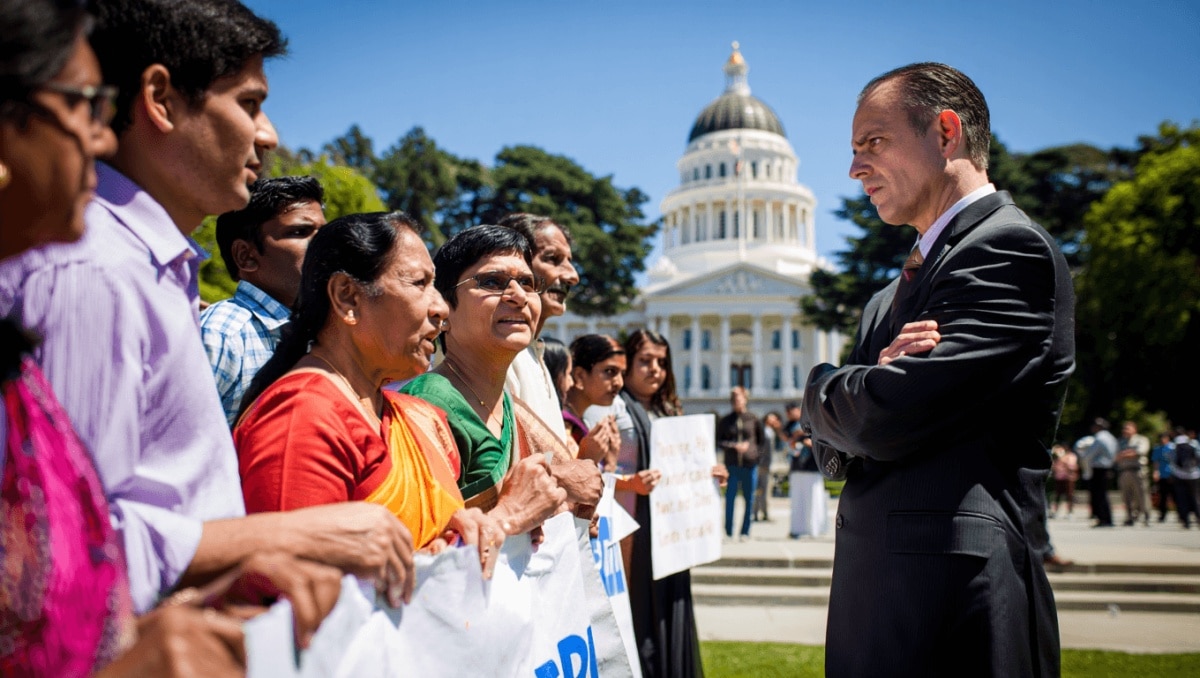
California’s deliberations over adding the term “caste” to state nondiscrimination protections have escalated into a broader fight over civil-rights policy, community identity and political messaging. Recent litigation, a high-profile advocacy group, and the pending SB-403 bill have together pushed the issue from niche legal debate into a flashpoint with real consequences for employers, schools and South Asian communities across the state.
How we got here
Lawmakers and advocates are debating whether to explicitly include caste within protections tied to ancestry and ethnicity in state law. Proponents say the change would fill gaps and protect people who face caste-based exclusion. Opponents contend the addition risks singling out a religious or ethnic group and could stigmatize millions of Americans of South Asian origin.
Shah Rukh Khan used the name Abinav to ease in-law worries: Gauri adopted Ayesha during nikaah
Javed Akhtar hails Hindu festivals as cultural glue: throwback of atheist celebrating resurfaces
The controversy has coalesced around two public developments. The California Civil Rights Department opened an investigation linked to a workplace discrimination claim involving a major tech company; separately, activists and legislators have promoted SB-403, a bill that would clarify how caste is treated under state nondiscrimination rules. Both the litigation and the legislation have intensified scrutiny of advocacy groups that have campaigned for legal recognition of caste-based harms.
The advocacy group at the center
Equality Labs is a central actor in the public debate. The organization describes its work as research and education on caste discrimination, and it offers trainings and reports aimed at institutions and employers. Supporters credit the group with documenting understudied harms and pushing policymakers to consider evidence from South Asian communities.
Critics, however, dispute both the organization’s methods and its public messaging. Video clips and public appearances by the group’s leaders have been circulated by opponents, who say those materials contain sweeping, inflammatory statements about Hinduism and Indian society. Equality Labs’ critics argue that some of its language and programs risk casting an entire faith community in a negative light and could exacerbate social tensions.
What the law and regulators say
The state’s civil-rights apparatus and many legal analysts have noted that existing statutes already prohibit discrimination on grounds such as religion and ancestry. Supporters of adding an explicit reference to caste argue that naming the category removes ambiguity and better aligns law with emerging claims. Opponents counter that the change is unnecessary or could be applied unevenly.
In its analysis of SB-403, the Assembly Judiciary staff observed that the materials presented to the committee tended to associate caste with South Asians—an observation critics cite as evidence the bill would disproportionately affect one ethnic group. At the same time, legislative proponents insist their intent is to broaden protections for victims of discrimination, not to single out any religion.
Broader political reactions
Responses have not followed predictable partisan lines. Progressive lawmakers and civil-rights advocates have supported the bill and the broader effort to document caste bias. At the same time, some on the right have seized on the debate to criticize South Asian communities more broadly, using the controversy to stoke cultural and political rhetoric. Voices from within South Asian and Hindu communities are likewise split, reflecting divergent views on whether naming caste helps or harms their members.
- Employers and universities could face new compliance questions as they update nondiscrimination policies and training programs.
- South Asian communities may see intensified public scrutiny and internal debate about identity, history and reform.
- Legal practitioners will watch how courts and agencies interpret any statutory change, especially in employment and education cases.
What this means for readers today
Whether you are an employee, a human-resources professional, an educator or a member of a South Asian community, the outcome will shape workplace norms, trainings and institutional policies in California—and could set precedents for other states and private-sector organizations.
- Companies may need to revise non-discrimination statements, update training modules and prepare to respond to new types of complaints.
- Community groups will likely intensify outreach and education to explain how any legal change would work in practice.
- Policymakers and civil-rights agencies will be under pressure to define terms and guard against unintended consequences, including overbroad application or new forms of stigma.
Points to watch
- Legislative progress on SB-403 and any amendments that refine definitions or scope.
- Further litigation that tests how existing law covers caste-related claims.
- How major employers and universities adjust policies and training in response to pressures from both advocates and critics.
At stake is more than statutory language: the debate is shaping how American institutions recognize and respond to complex forms of identity and discrimination. As lawmakers, courts and communities continue to wrestle with those questions, close attention to evidence, clear definitions and careful policymaking will determine whether reform reduces harm or creates new divisions.